Jameson Taillon In-Play Run to Nick Castellanos
Jameson Taillon In-Play Run to Nick Castellanos If you searched for the Jameson Taillon in-play run to Nick Castellanos clip, you probably want more than a…
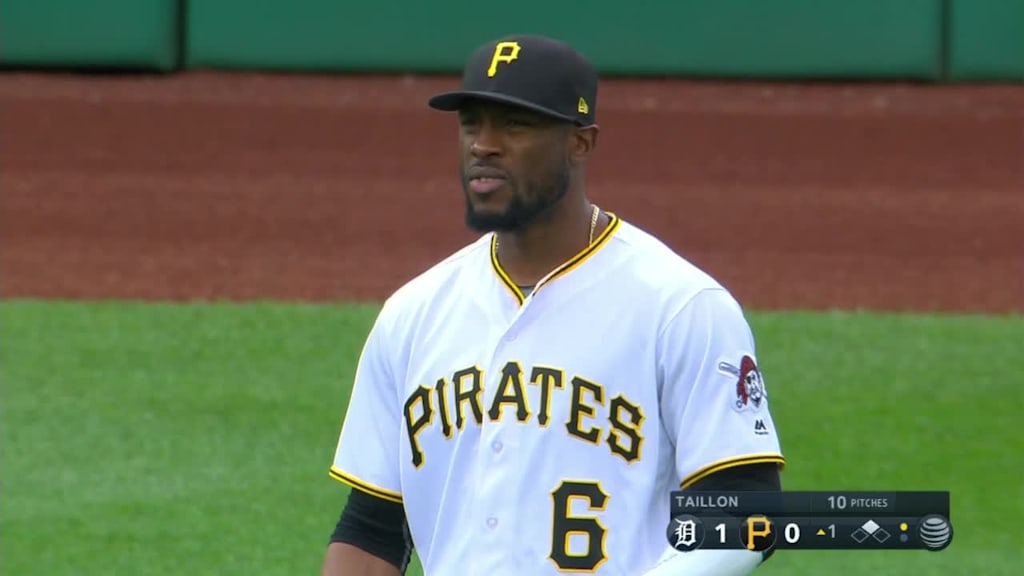
Jameson Taillon In-Play Run to Nick Castellanos
If you searched for the Jameson Taillon in-play run to Nick Castellanos clip, you probably want more than a replay link. You want to know what actually happened, why it mattered, and what the play says about the matchup. That matters now because single scoring plays often get clipped, shared, and stripped of context. A quick video can show the result, but it rarely explains the pitch, the contact, and the defensive outcome that led to the run. Baseball is like architecture. One small crack in the sequence can change the whole structure of an inning. So let’s pin down the play, the likely takeaway, and what smart fans should watch for when they see a moment like this circulate online.
What stands out right away
- The clip centers on an in-play ball involving Jameson Taillon and Nick Castellanos.
- The key value is context, not just the scoring result.
- These plays often turn on pitch location, contact quality, and defensive positioning.
- A short highlight can miss the bigger story of the inning.
What happened in the Jameson Taillon in-play run to Nick Castellanos play?
At the most basic level, the play shows a ball put in play against Jameson Taillon that results in a run connected to Nick Castellanos. In MLB highlight language, that usually means the batter put the ball in play and a run scored on the sequence.
That sounds obvious. But baseball scoring clips can be tricky.
Sometimes the batter gets credit for an RBI on a clean hit. Sometimes the run scores on productive contact, a fielder’s choice, or a defensive play that still gets the offense what it needed. If you are evaluating the moment, the better question is this: was Taillon beaten by sharp contact, bad luck, or simple situational hitting?
That distinction matters because Taillon has built his value on command, strike efficiency, and limiting free passes. When contact against him turns into damage, it often comes down to location inside the zone rather than wildness.
Why the Jameson Taillon in-play run to Nick Castellanos matters
Nick Castellanos has long been a dangerous hitter against mistakes, especially pitches he can drive with authority to the outfield gaps or pull side. He is the kind of hitter who does not need a perfect pitch to do damage if the ball leaks into a hittable spot.
Look, one run in one highlight does not define a pitcher. Still, these clips can reveal a lot about game texture. Was Taillon ahead in the count and unable to finish? Did Castellanos stay patient and get a pitch he could handle? Did the defense set up in a way that left room for the ball to drop?
Those are the details that separate empty highlight watching from real analysis.
Short baseball clips show the ending. The useful part is figuring out the mistake, the adjustment, or the bit of execution that created it.
How to read a play like this without overreacting
Fans do this all the time. They see a run score on a clip and assume the pitcher got crushed. That is not always true.
Use a simple framework when you watch the Jameson Taillon in-play run to Nick Castellanos sequence:
- Check the count. A hitter’s approach changes fast in 0-2, 2-1, or 3-1 counts.
- Watch pitch location. Middle-middle mistakes get punished. Edge pitches can still produce soft but useful contact.
- Note contact type. Was it lined, chopped, flared, or driven deep?
- Study runner situation. A man on third with less than two outs changes everything.
- Look at defensive alignment. Positioning can make routine contact turn into a scoring play.
That checklist works because baseball outcomes are rarely clean. A box score might show an RBI and a run charged. The film may show a pitch that was not terrible at all.
Jameson Taillon, contact management, and game context
Taillon’s profile has often rested on control and composure more than raw swing-and-miss intimidation. He can look steady for stretches, then give up damage when hitters square up a pitch in a key spot. That is the trade-off with contact-oriented starters. They live on precision.
And precision is a thin margin.
Against a hitter like Castellanos, that margin gets thinner. Castellanos is aggressive enough to attack something early, but skilled enough to cash in when a pitcher falls behind or misses his intended target. If this play came in a leverage spot, it would say less about volume of mistakes and more about timing. One miss. One run.
What smart fans should watch on the replay
Pitch shape and intent
If the clip or surrounding game feed shows the pitch type, start there. Was Taillon trying to backdoor a breaking ball, steal a strike with a sinker, or get weak contact with a fastball on the edges? Intent tells you whether the pitcher missed badly or simply lost to a good swing.
Castellanos’ swing decision
Castellanos can be at his best when he commits early and stays direct to the ball. If he attacked the first hittable pitch, that tells you he may have been sitting on a zone or speed. If he hit a pitcher’s pitch anyway, give him credit.
Run expectancy
A scoring play is not just one event. It shifts the inning. In many MLB situations, moving from no run to one run changes bullpen planning, defensive urgency, and the pitcher’s margin for the next batter (especially in a tight game).
Why clips like this spread so fast
Because they are clean, easy, and emotional. Batter wins. Pitcher loses. Share button.
Honestly, that simplicity can distort what happened. A seven-second highlight is great for attention, but weak for understanding. If you care about team performance, player trends, or betting angles, you need the inning around the clip, not just the clip itself.
Think of it like judging a full at-bat from the sound of contact alone. You can guess. You cannot know.
Where this leaves the matchup
The Jameson Taillon in-play run to Nick Castellanos moment is a useful snapshot because it puts two well-known player traits into one frame. Taillon depends on execution. Castellanos punishes openings. That is a very old baseball story, but it keeps repeating because it works.
If you are tracking future matchups, watch whether Taillon changes his attack pattern against hitters with Castellanos’ profile. More careful edge work? Fewer get-me-over pitches? Different sequencing with runners in scoring position? That is where the next answer sits.
The part worth watching next
One scoring clip should not drive a giant verdict on either player. But it can point you to the right next question. Did Taillon lose the zone, or did Castellanos win the pitch?
That is the real reason to watch the replay again.
This article is for educational purposes only and should not be considered medical advice. Always consult a qualified healthcare provider before making decisions about addiction treatment. If you or someone you know is in crisis, call SAMHSA's National Helpline: 1-800-662-4357 (free, confidential, 24/7).