Israel’s Ketamine and Opioid Surge After October 7
Israel’s Ketamine and Opioid Surge After October 7 Post-trauma drug use does not arrive with a warning label. It creeps in after sleep breaks down, anxiety…
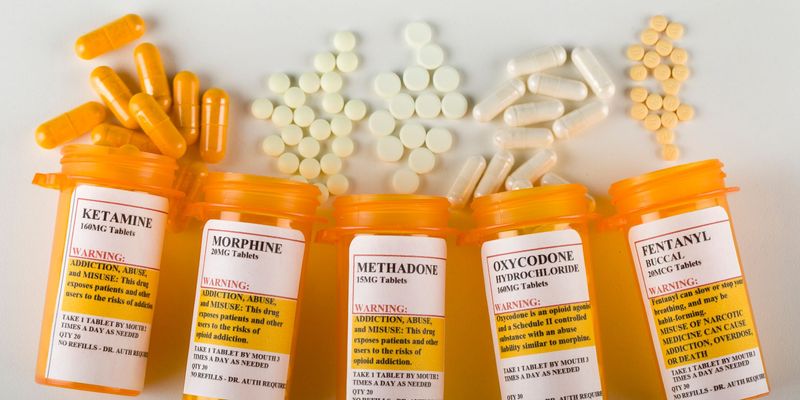
Israel’s Ketamine and Opioid Surge After October 7
Post-trauma drug use does not arrive with a warning label. It creeps in after sleep breaks down, anxiety stays high, and the brain starts looking for relief anywhere it can find it. That is why ketamine and opioid use in Israel matters now. The story is not only about illicit drugs. It is about how acute trauma, grief, and untreated PTSD can push people toward substances that briefly numb fear and pain, then leave a harder problem behind.
Israel has lived through waves of violence before. But the scale of the October 7 attacks, the displacement, the funerals, and the ongoing war have created a pressure system that is still building. If you care about recovery, family safety, or public health, you should pay attention to what happens when shock becomes routine.
- Trauma can raise the risk of misuse, especially when sleep and mood collapse.
- Ketamine can look like relief, then quickly become a trap.
- Opioids carry a high overdose risk, even when use starts with pain control.
- Families often spot the problem before the person does.
- Early treatment works better than waiting for a crisis.
Why ketamine and opioid use in Israel is rising now
The link between trauma and substance misuse is not guesswork. The National Institute on Drug Abuse has long noted that stress and trauma increase vulnerability to addiction, especially when a person already has depression, anxiety, or PTSD. After a mass-casualty event, that risk does not spread evenly. It clusters around people with direct exposure, first responders, displaced families, and those who cannot get stable mental health care.
Ketamine has a strange double life. In medicine, it is an anesthetic and, in some settings, a rapid-acting treatment for depression. Outside clinical care, people may use it to blunt emotional pain or escape intrusive memories. That is the catch. Relief can be fast, but so can dependence patterns, cognitive fog, and escalating use. Opioids are less ambiguous. They dull pain, physical and emotional, and they can hook people hard when exposure starts with injury or surgery.
Trauma does not create addiction by itself. But it can lower the barrier enough that a drug becomes a shortcut to survive the day.
How trauma changes the risk profile
PTSD changes the body’s baseline. People may sleep badly, stay hyperalert, avoid reminders, and feel detached from ordinary life. That state makes substances feel practical. Why not take something that quiets the noise for a few hours?
Look, that is not weakness. It is a human response to an overloaded nervous system. The problem is that drugs do not solve the injury underneath. They can also erase the very signals that tell you when you need help.
What the cycle often looks like
- A person has intrusive thoughts, panic, or insomnia after trauma.
- They try alcohol, cannabis, ketamine, or prescription pain medication to cope.
- The substance works at first, so the brain learns the shortcut.
- Use increases, while mood, memory, and sleep get worse.
- Shame and isolation make it harder to ask for treatment.
That pattern is familiar to anyone who has covered addiction for a while. The setting changes. The wiring does not.
What families should watch for
Families usually see the shifts before clinicians do, especially when the person is still functioning at work or in the army. The signs can be subtle. A friend who used to talk every day now goes quiet. Money disappears. Sleep gets erratic. Mood swings sharpen.
Pay attention to changes in routine, not just obvious intoxication. Someone using ketamine may seem spaced out, forgetful, or oddly detached. Opioid misuse can show up as nodding off, constipation, shrinking pupils, missed obligations, or sudden secrecy around pills.
And yes, the home environment matters. If medication is left unsecured, if everyone is under strain, or if no one names the problem, use can move faster than people expect.
What treatment should look like
Good care starts by treating both the substance use and the trauma. If you only chase abstinence and ignore PTSD, you miss the engine driving the behavior. If you only treat trauma and ignore drug use, you miss the immediate risk.
For ketamine or opioid problems, the most useful care usually combines medical assessment, therapy, and practical support. Cognitive behavioral therapy, trauma-focused therapy, and medication-assisted treatment for opioid use disorder can all play a role, depending on the person and the severity of use. The best plan is specific. One size does not fit this.
Ask these questions early
- Is the person sleeping at all?
- Are they using to manage panic, pain, or flashbacks?
- Is there a history of injuries, prescriptions, or prior substance use?
- Can they get a trauma-informed clinician, not just generic counseling?
- Is overdose prevention part of the plan if opioids are involved?
That last one matters. Opioids are an architecture problem as much as a medical one. If the structure is unstable, one weak beam can bring down the whole frame. Naloxone, safer prescribing, and close follow-up are not extras. They are non-negotiable.
What public health systems need to do next
Here is the thing. Individual willpower will not fix a population under sustained stress. Israel needs more access to trauma care, faster addiction screening, and better coordination between hospitals, mental health teams, and community services. People who survive violence should not have to stumble through three different systems just to get one coherent plan.
That means clinicians should screen for substance use during PTSD care, and addiction services should screen for trauma. It also means reaching people who are not asking for help yet. Mobile services, school-based support, and family education can catch problems before they become entrenched.
The Independent’s reporting on this issue points to a wider truth seen in many conflict zones. After mass trauma, drug use is often a late alarm bell. The question is whether health systems hear it early enough. If they do not, what starts as a search for sleep or silence can turn into a long recovery battle.
What to do if you see the signs
If someone close to you is using ketamine, opioids, or both to get through trauma, start with a plain conversation. Keep it specific. Mention what you see. Missed sleep. Isolation. Slurred speech. Missing pills. Avoid moral lectures. They usually backfire.
Ask for a medical and mental health assessment as soon as possible. If opioids are involved, make sure naloxone is available and that someone in the home knows how to use it. If the person is in immediate danger, seek emergency help. Fast action beats a perfect plan that never starts.
Recovery after trauma is possible. But it gets harder when the substances stay hidden. So ask the hard question now. What is this pain trying to silence?
This article is for educational purposes only and should not be considered medical advice. Always consult a qualified healthcare provider before making decisions about addiction treatment. If you or someone you know is in crisis, call SAMHSA's National Helpline: 1-800-662-4357 (free, confidential, 24/7).