Iowa’s New Opioid Funding Push: What It Means for Treatment Access Now
Iowa’s New Opioid Funding Push: What It Means for Treatment Access Now You have heard the headlines about overdose numbers climbing, but the clock feels real…
Iowa’s New Opioid Funding Push: What It Means for Treatment Access Now
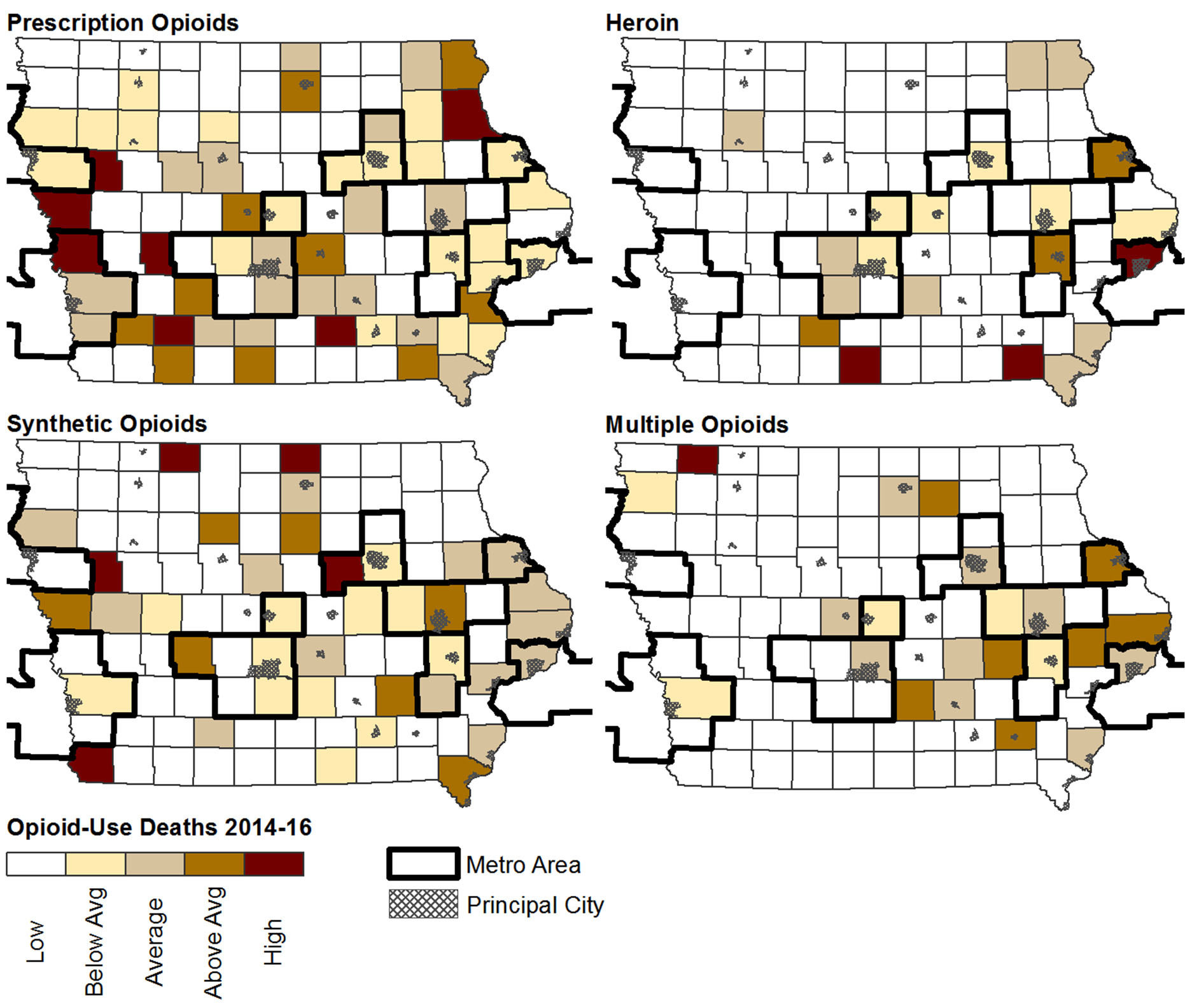
You have heard the headlines about overdose numbers climbing, but the clock feels real when you are looking for a bed or naloxone near home. Iowa just released millions in settlement cash to fight the opioid crisis, and the state says dollars will move quickly into treatment, harm reduction, and prevention. The big question is whether this surge reaches people before another spike. This guide breaks down how the money flows, who makes the calls, and how you can track results. Iowa opioid crisis funding is finally in motion, and the stakes are personal.
What Changes First
- New grants aim to expand medication-assisted treatment across rural counties.
- Local health departments can apply for naloxone and fentanyl test strip supplies.
- Mobile crisis teams are slated to grow, especially outside metro corridors.
- Community colleges and employers may see fresh prevention training dollars.
- Data dashboards are promised to show spending and outcomes.
Iowa opioid crisis funding: where the money lands
The settlement pool moves through the Iowa Opioid Settlement Fund and county allocations. State officials say treatment is the first priority, with medication-assisted treatment named explicitly. That matters because buprenorphine and methadone still face waitlists in rural towns. Treatment slots will fill fast.
Think of the rollout like a football team lining up: offense needs the ball, but without a defense the score swings the wrong way. Here, offense is treatment, defense is harm reduction, and special teams are prevention programs that keep the next wave from hitting.
Accountability should match urgency. Track whether clinics, pharmacies, and outreach teams actually receive the promised inventory.
Community grants and who decides
Counties submit proposals to the Iowa Attorney General’s office and the Department of Health and Human Services. Projects that expand medication access, peer recovery, and crisis response stand the best chance. If your clinic runs on one prescriber, push for telehealth partnerships to stretch coverage. Small towns can pair with regional centers to avoid administrative bottlenecks.
The state plans to publish an online map of funded projects (a welcome shift after opaque rounds elsewhere). Check whether your county posts spending updates monthly. If not, ask why.
Keeping Iowa opioid crisis plans accountable
Data transparency is the leverage point. Iowa promises dashboards showing dollars awarded, beds added, naloxone kits shipped, and overdose reversals. But will those metrics stay current? A stale dashboard is a red flag.
Ask three things: Are waitlist times shrinking? Are overdoses reversing more often? Are rural residents traveling fewer miles for care? Those answers tell you whether the investment is more than a press release.
Look, every county has different pain points. Some need detox beds; others need school-based prevention. The settlement framework allows flexibility, but flexibility without clear goals invites drift.
How to push for smart spending
You can influence where funds land. Attend county board meetings when opioid allocations appear on the agenda. Bring concrete requests: a second waivered prescriber, outreach hours at the library, or a naloxone vending machine downtown. Be specific about volumes and timelines.
- Map current gaps: list clinics, syringe services, and crisis lines within 30 miles.
- Identify one quick win: a bulk naloxone order or weekend clinic hours.
- Press for measures: publish wait times, refill rates, and overdose reversal counts.
- Secure sustainability: ask how the county will fund positions when settlement tranches end.
And do not ignore workforce. Iowa already faces a shortage of counselors and nurses willing to work addiction care. Training stipends and loan repayment can keep staff in place.
Prevention that sticks
Prevention dollars often drift toward generic messaging. Push for evidence-backed programs in schools and workplaces. Short, scenario-based training beats long lectures. Employers can add overdose response kits next to AEDs, with quick guides for bystanders.
The messaging should address fentanyl realities without sensationalism. Teens and parents need straight talk on pill risks and counterfeit tablets. One blunt question helps: Would you know what to do if a friend stopped breathing?
Honestly, prevention feels like blocking and tackling. It is not flashy, but it keeps the offense on the field.
Harm reduction that saves time and lives
Naloxone distribution is the fastest life-saving move. Counties should track kit placement by ZIP code to avoid gaps. Fentanyl test strips belong in that same budget line. Syringe services reduce infection costs that swamp hospital budgets.
Some local officials still hesitate on harm reduction. Remind them that states with broad naloxone access cut overdose deaths and ER visits. That is not theory. It is CDC data.
What I will watch next
Will Iowa publish monthly spending and outcome updates? Will rural counties share prescribers through telehealth to cut waits? Those are the tells.
A settlement check is not strategy. You build strategy with clear metrics, public dashboards, and community pressure. That is how this funding wave becomes a real lifeline instead of another headline.
This article is for educational purposes only and should not be considered medical advice. Always consult a qualified healthcare provider before making decisions about addiction treatment. If you or someone you know is in crisis, call SAMHSA's National Helpline: 1-800-662-4357 (free, confidential, 24/7).