IOP Rehab Programs That Keep Recovery Moving
IOP Rehab Programs That Keep Recovery Moving You need treatment that fits your schedule and still has teeth. IOP rehab programs offer structured therapy, drug…
IOP Rehab Programs That Keep Recovery Moving
You need treatment that fits your schedule and still has teeth. IOP rehab programs offer structured therapy, drug testing, and skill building without pulling you out of daily life. That matters right now because relapse risk spikes in the first 90 days, and flexible care can bridge the gap between inpatient discharge and real-world stress. You get hours of therapy each week, family involvement, and a recovery plan that extends well past discharge. The payoff: stronger adherence, fewer gaps in care, and a clearer path for long-term addiction management. Done right, an IOP keeps you accountable without blowing up your job or childcare. The question is how to pick one that actually works.
What Stands Out
- Evidence-backed IOP rehab programs reduce relapse risk after inpatient discharge.
- Weekly therapy blocks and random testing keep you accountable while you work.
- Family sessions and peer groups plug support gaps at home.
- Long-term addiction management hinges on continuing care plans that run 12 months or more.
- Clear metrics and relapse drills separate solid programs from the rest.
IOP Rehab Programs That Fit Your Week
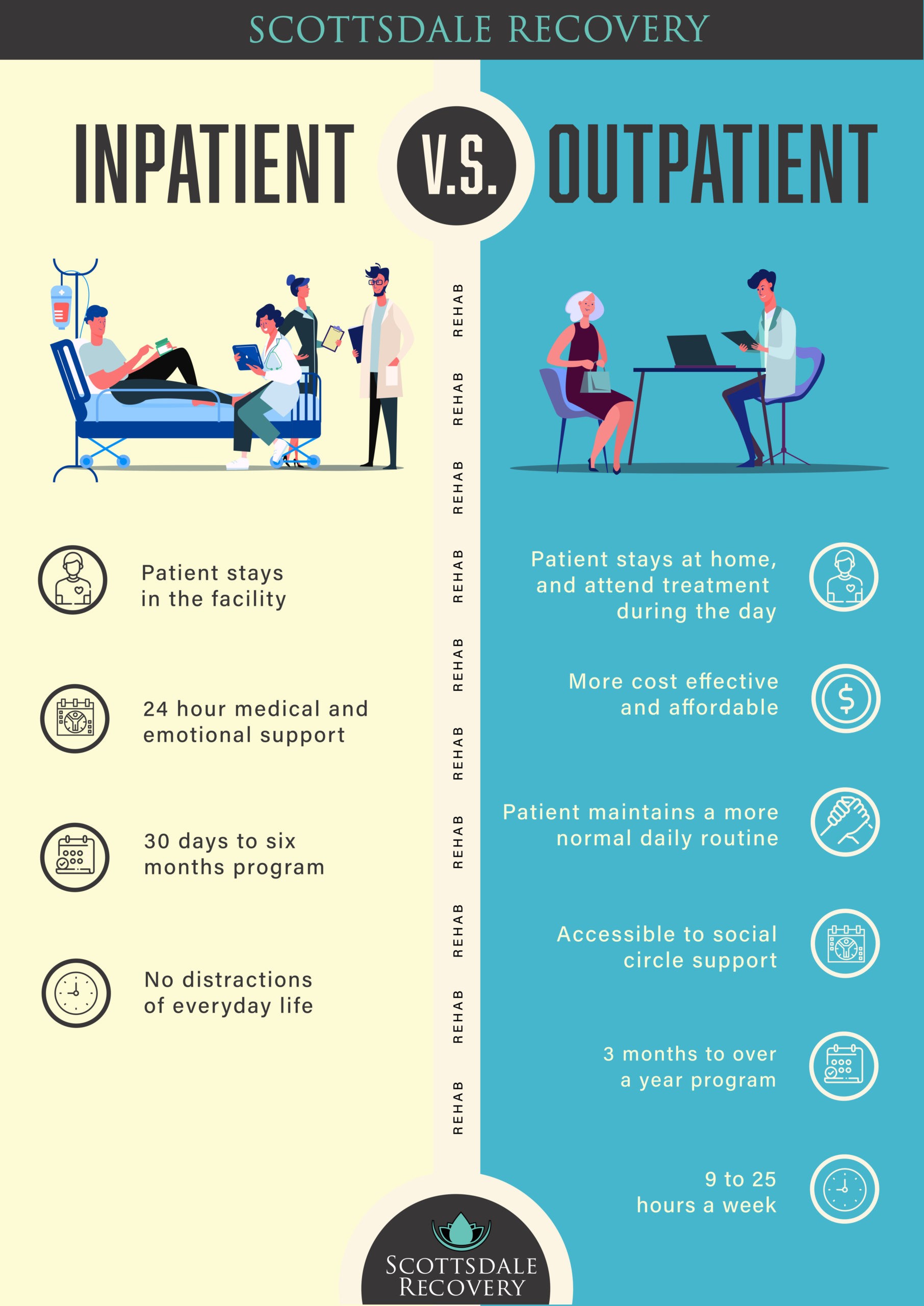
Think of a good IOP like marathon training. You show up for scheduled miles, mix tempos, and log recovery days so race day is steady. Look for three-to-five sessions per week, each two-to-three hours, covering CBT, medication management when prescribed, and peer support. That cadence keeps skills fresh while you juggle work.
Checklist for a working IOP
- Session mix: individual therapy, group work, and at least monthly family meetings.
- Testing: random toxicology with clear consequences and quick feedback.
- Access: evening or early morning tracks so you do not skip for work.
- Coordination: communication with your primary care and psychiatrist.
- Exit plan: written continuing care before your last IOP week.
One honest check-in beats any app.
MainKeyword in Your Continuing Care Plan
Mainstream programs sometimes treat the plan as paperwork. You need more. Keep the IOP rehab programs mindset alive with a 12-month schedule: weekly therapy for the first quarter, biweekly in the second, and monthly after that. Add mutual aid meetings and medication management when appropriate. Who keeps you accountable after discharge? That answer should be in writing.
SAMHSA data links longer engagement in outpatient care with higher abstinence rates at one year.
Include relapse response drills. If cravings hit, you should know the first call, the second step, and the nearest same-day clinic. Practice that plan like a fire drill.
Long-Term Addiction Management Beyond Year One
Recovery is more like maintaining a house than flipping it. You perform small tasks often, and you fix leaks before they flood. Keep a brief weekly self-audit on sleep, stress, and social risk. Share it with a sponsor or therapist. Rotate supports: a CBT booster this month, a skills group next month (yes, text check-ins count).
Nutrition and exercise matter because they blunt stress spikes. I prefer concrete targets: three 30-minute cardio sessions, two strength days, and a sleep window you protect like a meeting.
Metrics That Matter in IOP Rehab Programs
Skip vague feelings of progress. Track specifics: session attendance, negative test streaks, craving intensity scores, and participation in peer groups. If a program cannot show you these numbers, ask why. Data builds trust and lets you adjust early.
Red flags to avoid
- No random testing or delayed results.
- Rigid schedules with no evening options.
- Generic discharge packets with no named contacts.
- Billing surprises or unclear insurance support.
Ask for outcomes. Programs should share aggregate retention and post-discharge engagement rates. You deserve transparency.
Where Technology Helps, Not Hurts
Apps can log cravings and send reminders, but they should never replace humans. Use them for prompts and data, then discuss trends with your clinician. If tech feels like a chore, simplify. Delete the clutter and keep one tool that you actually open.
Final Move: Protect the Next 90 Days
Circle your high-risk dates, build coverage, and stack small wins. IOP rehab programs work best when you pair structure with honest feedback. Keep your circle close and your plan visible. The next step is simple: set your first week of sessions and lock them in like any other non-negotiable meeting.
This article is for educational purposes only and should not be considered medical advice. Always consult a qualified healthcare provider before making decisions about addiction treatment. If you or someone you know is in crisis, call SAMHSA's National Helpline: 1-800-662-4357 (free, confidential, 24/7).