Integrated Opioid Use Disorder Care at Weill Cornell
Integrated Opioid Use Disorder Care at Weill Cornell People with opioid use disorder often need more than one kind of help at the same time. That is the basic…
Integrated Opioid Use Disorder Care at Weill Cornell
People with opioid use disorder often need more than one kind of help at the same time. That is the basic problem, and it is why integrated opioid use disorder care matters now. If treatment only covers cravings, but ignores depression, pain, housing stress, or primary care gaps, you leave too much on the table. Weill Cornell Medicine’s research points toward a different approach. One team, one plan, and fewer handoffs that can break care apart. That matters because opioid use disorder is rarely a single-issue condition. It affects the body, the brain, and daily life all at once. So the real question is simple. Why keep treating it like a narrow specialty problem?
- Integrated care can connect addiction treatment with primary care, mental health, and social support.
- People stay engaged longer when care feels coordinated instead of fragmented.
- Medication for opioid use disorder works best when it fits into real-world routines.
- Whole-person care can help with pain, anxiety, and other conditions that often travel with opioid use disorder.
Why integrated opioid use disorder care matters
Fragmented treatment creates gaps. A patient may get buprenorphine from one clinic, therapy from another, and a referral for depression somewhere else. That is a lot to manage, especially when someone is already under strain.
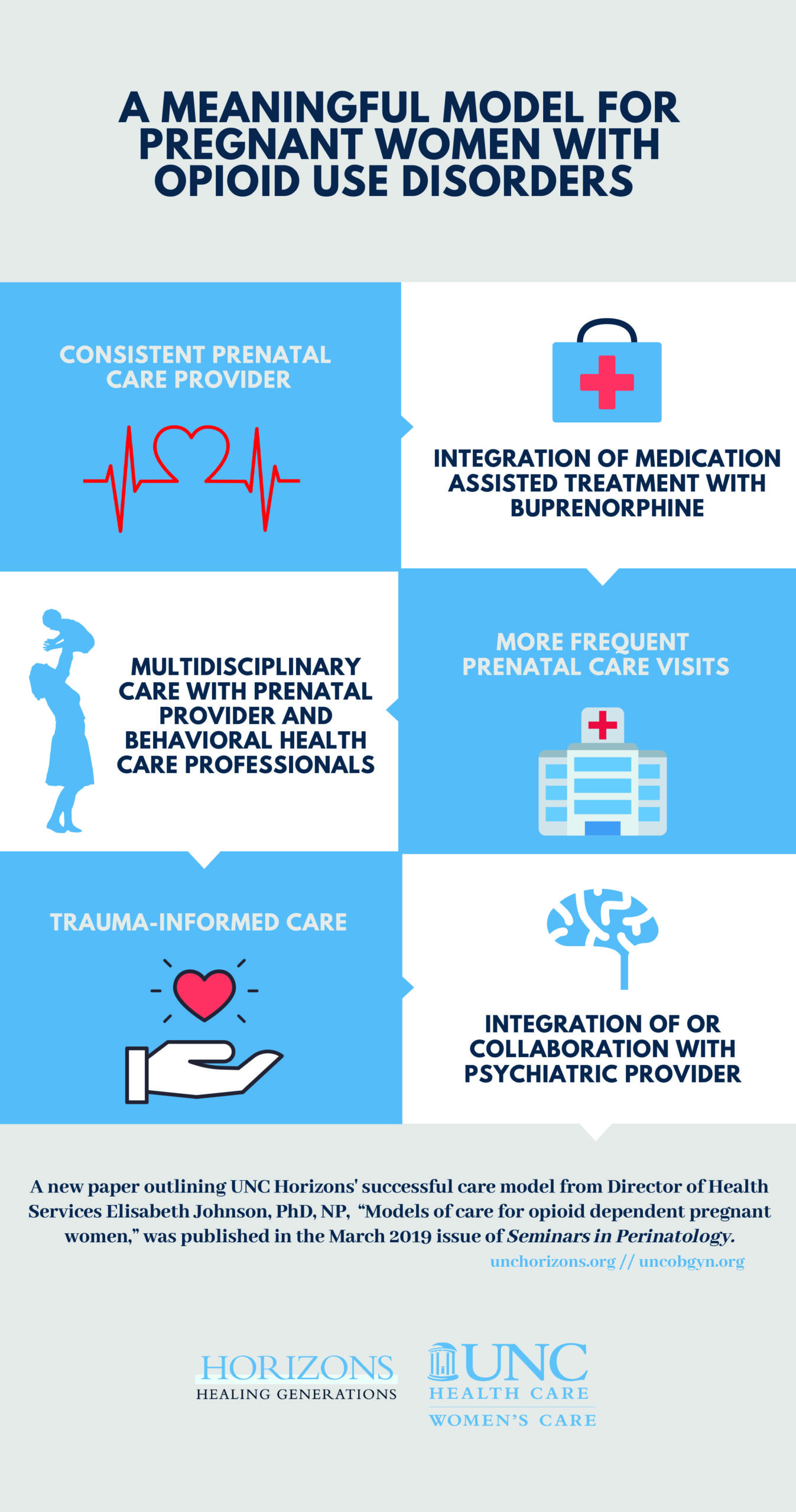
Integrated opioid use disorder care tries to put those pieces in one place. The model is practical. It reduces the number of trips, cuts down on mixed messages, and makes it easier for clinicians to spot problems early.
“If you make treatment feel like a relay race, someone drops the baton. Integrated care keeps the whole team on the same field.”
What integrated opioid use disorder care looks like in practice
Look, this is not about one magic clinic template. It is about coordination. Good programs usually combine addiction medicine, mental health care, primary care, and case support so the patient is not forced to stitch everything together alone.
That can include medication for opioid use disorder, counseling, screening for depression or anxiety, and help with other health issues. It can also mean checking blood pressure, treating infections, or managing chronic pain in the same setting. Think of it like a kitchen line during a busy dinner service. If each station works from a different recipe, the meal comes out late and uneven. If the team shares a plan, things move faster and with fewer mistakes.
- Start with one assessment. Screen for substance use, mental health needs, pain, and basic medical issues together.
- Use one care plan. Make sure the patient knows who is doing what and when.
- Keep follow-up tight. Missed appointments are easier to prevent than to repair.
- Track barriers early. Transportation, cost, and unstable housing can sink treatment if no one asks about them.
What the Weill Cornell research adds
Weill Cornell Medicine’s work in this area matters because it pushes the field toward care that reflects real life. People with opioid use disorder often have more than one diagnosis and more than one daily stressor. A clinic model that ignores that reality is too thin to work well.
Research on integrated opioid use disorder care also helps clinicians ask better questions. Which services should sit together? Which patients benefit most from warm handoffs? What makes someone stay in treatment after the first hard week? Those are the questions that separate theory from care that actually holds up.
Where the biggest gains usually show up
The strongest gains tend to come from fewer missed connections. Patients do better when they do not have to explain the same story five times. Clinicians do better when they can see the full picture.
Integrated care is not a luxury. It is a response to a messy condition with messy causes. And messy problems usually punish siloed systems first.
What patients and families should ask
If you are looking for treatment, ask direct questions. Does the program treat opioid use disorder and mental health together? Can it coordinate pain care? Will someone help with referrals, insurance, or follow-up?
Families should ask another question too. Who is the point person when things get complicated? Without that answer, even good treatment can start to feel like a pile of phone numbers. That is where many people lose momentum.
Here are a few signs the program may be built for integrated opioid use disorder care:
- The team includes addiction medicine and primary care.
- Mental health screening happens routinely, not only after a crisis.
- Medication and counseling are offered without major delays.
- Care coordination is built into the visit, not added later as an afterthought.
Where the field goes next
The next step is not more slogans about whole-person care. It is better workflow, better staffing, and better access. That is the hard part, and it is also the part that decides whether patients stay in care.
Integrated opioid use disorder care is a simple idea with a hard execution problem. But that is true of most serious medical work. The real test is whether health systems can make the coordinated model feel normal instead of exceptional. If they can, why would anyone settle for care that only treats half the problem?
This article is for educational purposes only and should not be considered medical advice. Always consult a qualified healthcare provider before making decisions about addiction treatment. If you or someone you know is in crisis, call SAMHSA's National Helpline: 1-800-662-4357 (free, confidential, 24/7).