Inside the Cape Town Drug Trade and Its Human Cost
Inside the Cape Town Drug Trade and Its Human Cost Cape Town drug trade violence keeps neighborhoods on edge, with families navigating safety, addiction, and…
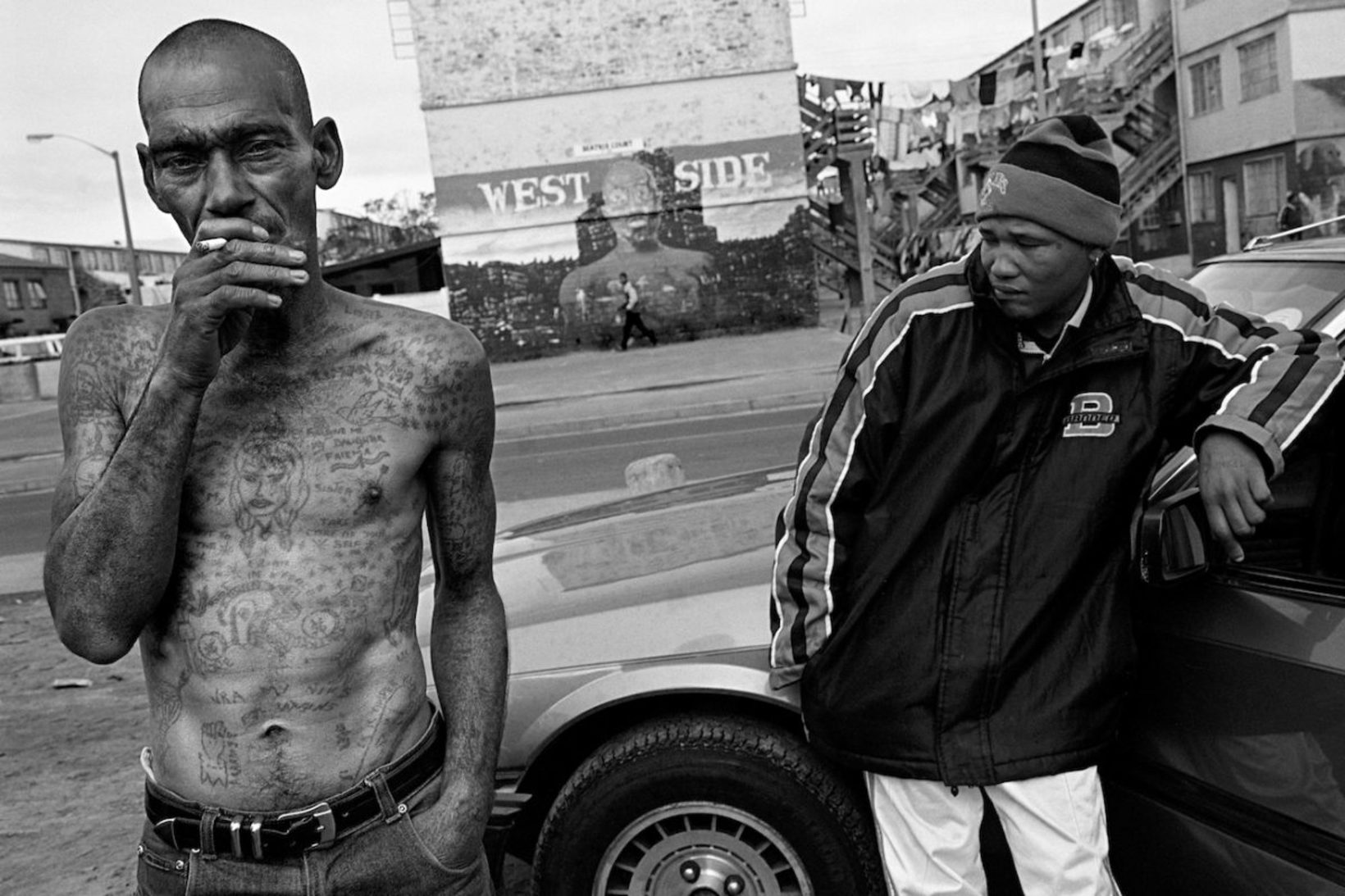
Inside the Cape Town Drug Trade and Its Human Cost
Cape Town drug trade violence keeps neighborhoods on edge, with families navigating safety, addiction, and scarce services. You see it in school closures after shootings and in the queues at overstretched clinics. The trade thrives on high unemployment, fractured policing, and a steady flow of methamphetamine and heroin. Addressing it means pairing street-level harm reduction with policy shifts, not just more raids. This matters now because 2024 has brought new supply routes and tighter gang alliances that move faster than government plans.
Rapid Signals From the Street
- Gangs control key corridors in the Cape Town drug trade, taxing movement and information.
- Crystal meth and heroin remain the top sellers, but counterfeit pills are rising.
- Police crackdowns shift hotspots rather than shrinking the market.
- Community-run needle exchanges cut infections and build trust.
Why the Cape Town Drug Trade Keeps Growing
The city sits on shipping lanes that make import and export simple. Unemployment in some townships tops 40 percent, turning drug work into fast cash. Corruption cases, including officers selling seized stock, erode trust and give gangs room to expand. Imagine patching a leaky roof with tape while a storm rolls in. Supply keeps pouring, and the fixes stay thin.
MainKeyword: Cape Town Drug Trade Power Structures
Gangs in the Cape Town drug trade operate like small companies with clear roles. They use street committees to enforce rules and gather payments. Turf battles spike when new suppliers undercut prices, leading to short, brutal conflicts that shut down schools and taxis. Children learn to read the sound of gunfire before they memorize times tables.
“The market moves faster than any policy we draft,” a local outreach worker told me, noting how meth labs now pop up closer to residential blocks.
One sentence stands alone here.
MainKeyword: Cape Town Drug Trade and Policing
Police focus on arrests, yet convictions lag because witnesses fear retaliation. And who can blame them? Without protected housing or clear witness support, testifying feels like walking through crossfire. Task teams rotate in and out, so community ties never solidify. Meanwhile, officers who build trust find themselves reassigned just as residents start talking.
What Actually Reduces Harm
- Fund mobile harm reduction vans that deliver needles, naloxone, and HIV testing where people use.
- Support housing-first pilots that move users into safe spaces before mandating treatment.
- Back peer-led outreach groups that know the alleys better than any map.
- Create rapid-response counseling for teens after shootings to break trauma cycles.
Think of it like soccer: you do not win by only defending. You need midfielders who connect the backline of policing with the frontline of public health.
Community Moves That Work
Residents in Hanover Park set up WhatsApp alert grids to warn about active gunfights. NGO-run safe zones give kids a place to study when streets flare up. These steps are small, but they keep life moving. They also show officials what practical support looks like when designed with local input.
Policy Shifts to Watch
Decriminalizing personal use could free court capacity and push resources toward treatment. Redirecting a slice of police budgets to community health teams would show quick returns. But will leaders take that risk?
Where Help Falls Short
Public clinics often lack consistent methadone supplies, forcing people back to street dealers. Treatment waitlists stretch months. Funding cycles rarely match the year-round nature of addiction. Until services run as reliably as the illicit market, the city will keep losing ground.
What You Can Do Now
Support local harm reduction groups with donations or volunteer time. If you work in health, push for stocking naloxone in every clinic. Journalists and researchers can keep spotlighting corrupt procurement that feeds the problem. Small moves, repeated, shift momentum.
Looking Ahead
Change will hinge on whether Cape Town can pair focused policing with honest investment in health and housing. The market will not wait. Neither should we.
This article is for educational purposes only and should not be considered medical advice. Always consult a qualified healthcare provider before making decisions about addiction treatment. If you or someone you know is in crisis, call SAMHSA's National Helpline: 1-800-662-4357 (free, confidential, 24/7).