Injured Owl Rescue in El Paso: What This Wildlife Save Teaches Us
Injured Owl Rescue in El Paso: What This Wildlife Save Teaches Us You see a wild animal hurt on the roadside, and your first instinct is to help. That instinct…
Injured Owl Rescue in El Paso: What This Wildlife Save Teaches Us
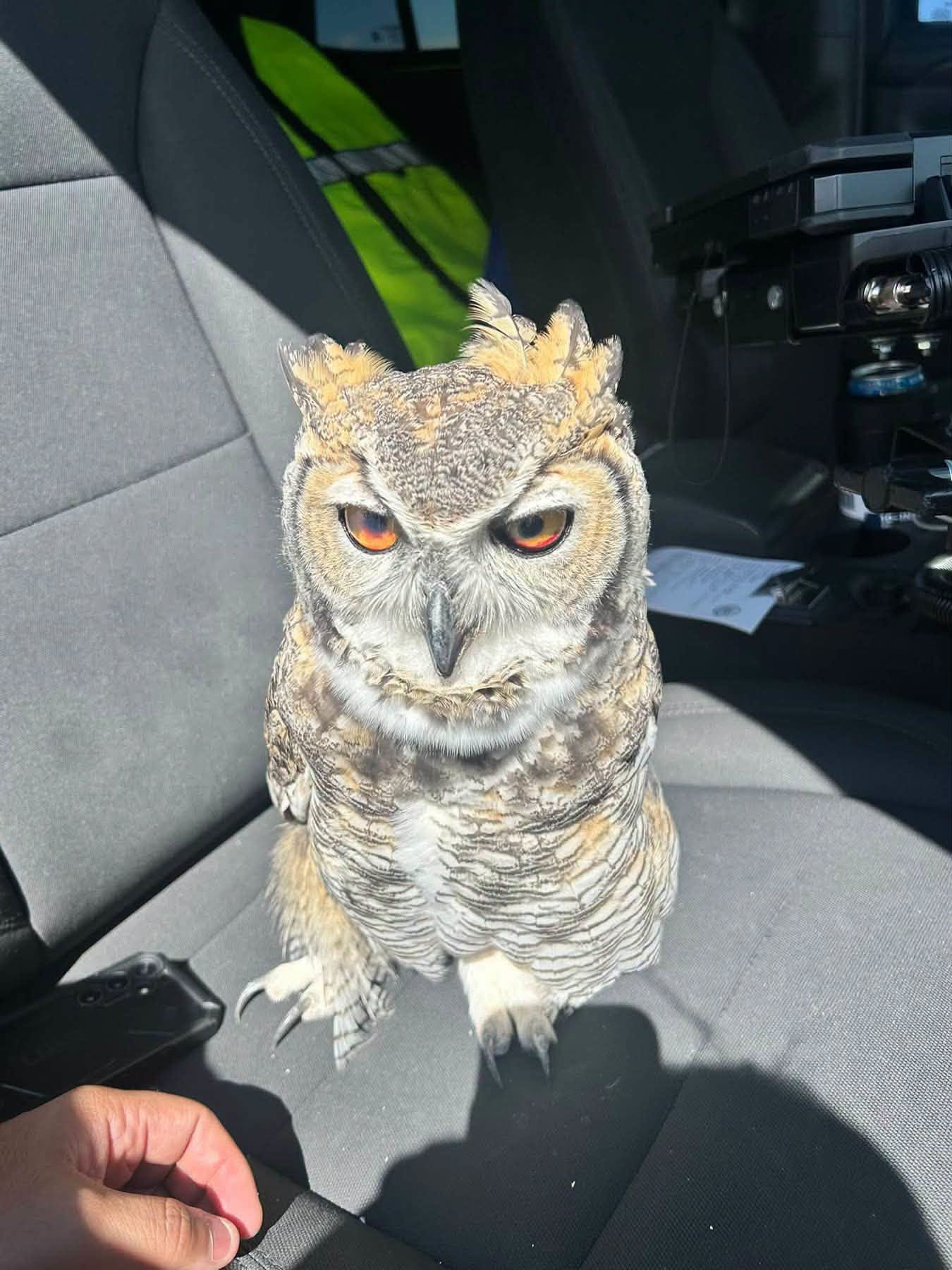
You see a wild animal hurt on the roadside, and your first instinct is to help. That instinct is good, but the wrong move can injure you and stress the animal. The recent injured owl rescue reported by KVIA, where state troopers helped an owl and took it to the El Paso Zoo for treatment, is a useful reminder for anyone who lives near desert roads, open lots, farms, or city edges. Owls look tough, but a wing strike, vehicle hit, or fall can leave them unable to hunt or defend themselves. And yes, even a quiet bird can hurt you with its talons. The better question is simple: what should you do before you get close?
What Stands Out
- State troopers responded and got the injured owl to professional care, according to KVIA.
- The El Paso Zoo was identified as the treatment destination, which matters because raptors need trained handling.
- Residents should avoid touching injured wildlife unless a wildlife professional gives direct instructions.
- Fast reporting can make the difference between recovery and a slow decline for birds of prey.
Why the Injured Owl Rescue Matters
An injured owl is not only a sad roadside scene. It can signal bigger risks in the area, including vehicle strikes, habitat disruption, poison exposure, or storm-related injury. Local responders see these calls because wild animals often cross into human spaces, especially near highways and desert corridors.
KVIA reported that state troopers rescued the owl and took it to the El Paso Zoo for treatment. That sequence is the right one. Secure the scene, limit handling, and move the animal to trained care as fast as conditions allow.
A hurt owl is not a pet project. It is a wild raptor that needs calm handling, medical assessment, and a low-stress environment.
That restraint matters.
Owls can mask pain, which makes casual inspection unreliable. A bird that sits still may be exhausted, concussed, or in shock, not calm. Think of it like a boxer after a hard hit. Standing upright does not mean the fighter is fine.
Injured Owl Rescue: What You Should Do First
If you find an injured owl, your job is not to diagnose it. Your job is to keep people away, reduce danger, and call the right help. That sounds simple, but roadside rescues get messy when curious drivers stop or someone tries to scoop up the bird with bare hands.
Use this order if you see a hurt owl or another raptor:
- Stay back. Give the bird space and keep children and pets away.
- Watch from a safe distance. Note whether the bird can stand, fly, or move one wing.
- Call local authorities or wildlife rescue. If the animal is on a road, call law enforcement or animal services first.
- Do not feed or water it. Food and water can make treatment harder if the bird has internal injuries.
- Share clear location details. Give road names, landmarks, mile markers, or GPS coordinates if you can.
Here is the thing. Most people hurt wildlife by trying too hard. Wrapping a raptor in a towel, putting it in a loud car, or offering water in a dish may feel kind, but it can add stress or cause another injury.
Why the El Paso Zoo Role Is Important
A zoo or qualified wildlife center has staff who understand animal restraint, triage, and species-specific care. For an owl, that may include checking wings, eyes, feet, hydration, body condition, and signs of trauma. Treatment decisions often depend on X-rays and a quiet recovery space.
The El Paso Zoo is also a familiar regional institution, so the public recognizes the handoff as more than a photo moment. It shows why partnerships matter between law enforcement, animal care teams, and local media. Without that chain, an injured bird can sit unseen for hours.
Does every rescued owl survive? No. Wildlife medicine has hard limits, especially when birds suffer severe fractures or internal damage. But quick transport gives the animal a real chance, and it gives veterinarians the information they need to make humane decisions.
Common Mistakes During an Injured Owl Rescue
Good intentions can go sideways fast. Owls have sharp talons, strong grip, and a stress response that can worsen during close contact. Even small species can puncture skin, and large owls can do real damage.
- Do not grab the bird for a selfie. Noise, flash, and handling add stress.
- Do not assume it is abandoned. Young owls may spend time on the ground before they fly well.
- Do not move it across town yourself unless instructed. Wildlife laws and safety risks vary by location.
- Do not use a small wire cage. Wings and feathers can catch and break.
- Do not crowd responders. Give troopers, animal control, or rehab staff room to work.
If a professional tells you to contain the owl while help is on the way, ask for exact directions. In some cases, they may suggest a ventilated cardboard box and heavy gloves, but only when the bird is in immediate danger and you can act safely. Otherwise, distance is the safer choice.
What This Case Says About Roadside Wildlife in the Southwest
El Paso sits near desert habitat where owls, hawks, and other wildlife share space with traffic, fencing, construction, and lighting. Roads cut through hunting routes. Rodents gather near trash and drainage areas, which can draw raptors close to vehicles.
There is another quiet risk, and it deserves more attention: rodenticide. Poisoned rodents can injure predators that eat them. Researchers and wildlife agencies have long warned that anticoagulant rodenticides can move through the food chain, harming owls, hawks, bobcats, and other predators.
You can reduce that risk at home (without turning your garage into a science project). Seal food, secure trash, block entry points, and use snap traps in protected places before reaching for poison. If you hire pest control, ask what products they use and whether they offer wildlife-safer options.
How Families Can Talk About This Rescue
Stories like this are useful for parents because they turn a dramatic animal rescue into a safety lesson. Kids want to help animals, and that empathy is worth protecting. But they also need firm rules.
Try a simple script: look, back up, tell an adult, and call for help. That four-step rule works for owls, snakes, bats, and injured mammals. It also teaches children that care does not always mean touching.
And for adults, the lesson is not much different. Your phone is often your best rescue tool. A clear photo from a safe distance, a precise location, and a quick call can do more than a risky hands-on attempt.
The Next Smart Move
The injured owl rescue reported by KVIA is a small local story with a practical takeaway. Save the numbers for your local animal control office, wildlife rehabilitator, and non-emergency police line before you need them.
Wildlife response works best when ordinary people know where their role ends and trained care begins. The next injured owl may not be lucky enough to be spotted by troopers, so will you be ready to make the right call?
This article is for educational purposes only and should not be considered medical advice. Always consult a qualified healthcare provider before making decisions about addiction treatment. If you or someone you know is in crisis, call SAMHSA's National Helpline: 1-800-662-4357 (free, confidential, 24/7).