IMF Nicotine Tax Plan: What It Means for Public Health and Wallets
IMF Nicotine Tax Plan: What It Means for Public Health and Wallets The IMF nicotine tax plan lands at a moment when governments hunt for revenue and public…
IMF Nicotine Tax Plan: What It Means for Public Health and Wallets
The IMF nicotine tax plan lands at a moment when governments hunt for revenue and public health wins at the same time. The policy aims to curb smoking and raise funds, yet it risks pricing out lower-risk nicotine options that help people move off cigarettes. You care because taxes shape what products stay affordable, and what products push people back to smoking. The IMF nicotine tax plan frames nicotine as a single bucket, but harm reduction depends on nuance and price signals. If safer options climb in cost, quit attempts stall and illicit trade grows. Policymakers need clear guardrails so taxes steer behavior instead of punishing people trying to quit, and they need evidence on what works rather than blunt fiscal targets.
What Matters Now
- IMF nicotine tax plan could raise costs on vaping and pouches alongside cigarettes.
- Flat taxes risk blurring harm differences between combustible and smoke-free products.
- Revenue goals may clash with quitting goals if safer options lose price advantage.
- Clear tax tiers and earmarked funding can protect harm reduction programs.
IMF Nicotine Tax Plan Basics
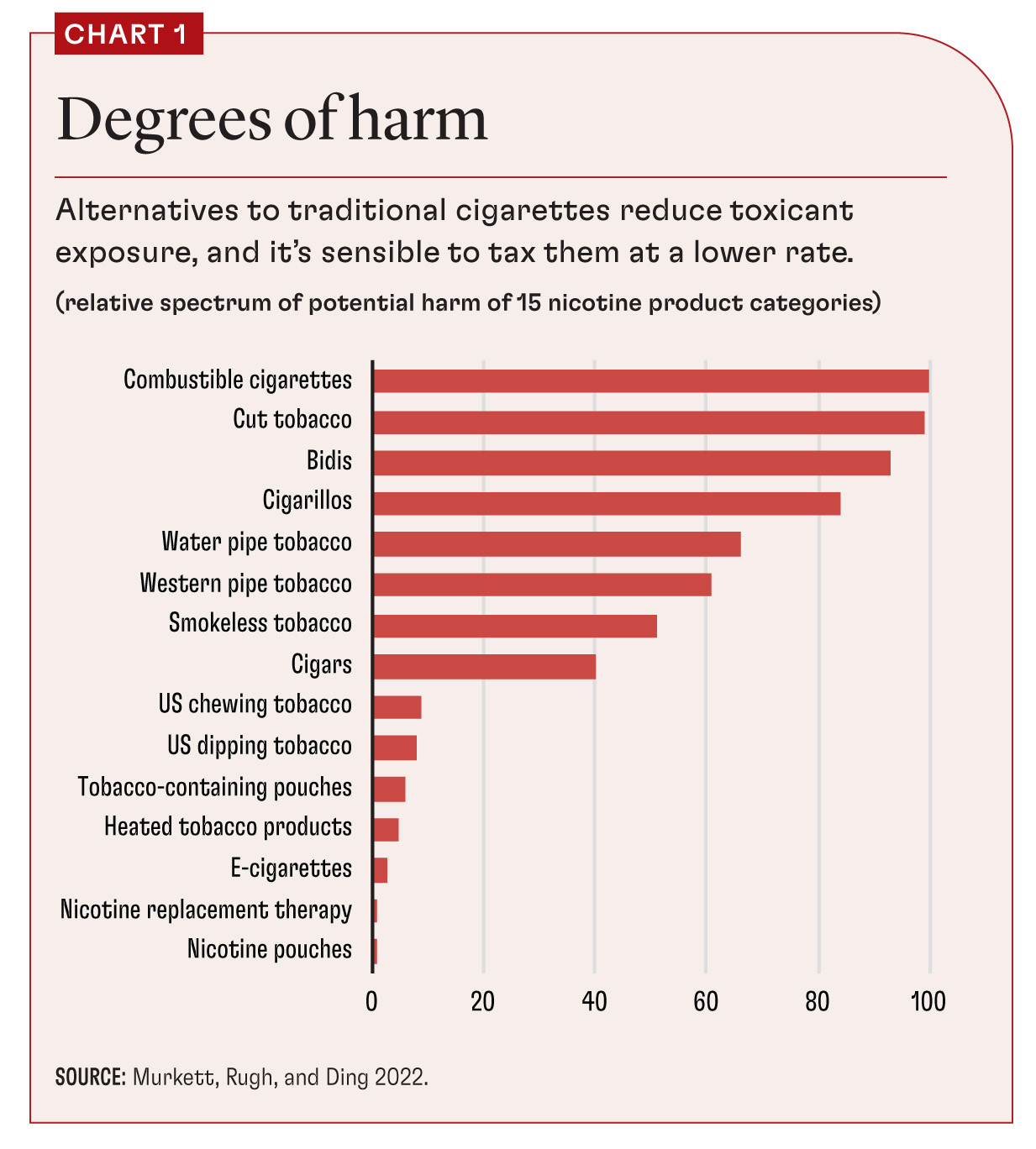
The proposal urges countries to tax nicotine products broadly to deter use and boost revenue. It treats combustible cigarettes, vapes, and oral pouches as similar goods. That helps treasury departments forecast cash, but it ignores product risk differences that public health agencies highlight. Treating all products the same is like pricing a bicycle and a sports car at one toll booth. It feels tidy on paper yet distorts incentives in the real world.
Price gaps drive quitting momentum more than slogans do.
Evidence from the UK and Sweden shows smokers move faster when safer products stay cheaper than cigarettes. When taxes erase that gap, switching stalls.
Where Harm Reduction Fits
Harm reduction depends on keeping safer options within reach. If vaping devices and pouches cost nearly as much as cigarettes, what would push someone to switch? The IMF nicotine tax plan needs risk-proportionate tiers: higher rates for combustible tobacco, lower rates for non-combustibles, and near-zero for medicinal nicotine. Without that ladder, people may stay with what they know, even if it wrecks their lungs.
One sentence, standing alone.
Look, you do not need fancy slogans here. You need pragmatic design. Italy and New Zealand tried broad vape taxes and saw youth use dip while some adult smokers slipped back to cigarettes when prices rose. Balancing youth protection and adult cessation is non-negotiable.
Designing a Smarter IMF Nicotine Tax Plan
- Tier by risk: Set the highest rate on combustible tobacco, a moderate rate on high-nicotine disposables, and a minimal rate on refillable systems and pouches with strong quality controls.
- Protect access: Cap taxes on smoking cessation tools so low-income users are not priced out.
- Earmark revenue: Direct a slice to cessation services, surveillance, and product standards. Money should fund the transition, not just the general budget.
- Monitor illicit trade: Pair taxes with strong enforcement and safer product availability to avoid a surge in unregulated imports.
- Update annually: Review switching data and adjust rates. Tax policy is not set-and-forget.
Real-World Checkpoints
Think of policy tuning like adjusting a recipe in a kitchen. Too much heat and the meal burns; too little and it stays raw. Mexico saw illicit vape markets swell after strict bans. The Philippines kept a lower excise on vapes than cigarettes and reported rising quit attempts. These contrasting outcomes show why iterative calibration beats one-size-fits-all taxes.
How to Communicate the IMF Nicotine Tax Plan
Governments should tell smokers what the tax aims to do: make smoking pricier while keeping safer options within reach. Messaging that lumps all nicotine together misses the point. A rhetorical question belongs here: if the goal is fewer smoking-related deaths, why flatten the tools that cut those deaths?
Public dashboards can show how revenue funds cessation clinics and product testing labs. Transparency builds trust and reduces the sense that taxes are just cash grabs.
Next Steps for Policymakers
Draft the IMF nicotine tax plan with explicit harm reduction tiers. Consult consumer groups and cessation experts before setting rates. Run pilot programs in select regions and measure smoking prevalence, switch rates, and illicit trade volumes. Adjust rapidly if smoking rebounds or illicit products spike. A dynamic approach beats a rigid one every time.
Where This Goes
Tax design will decide whether smoking declines faster or plateaus. If officials keep price signals aligned with risk, smokers get a real off-ramp and treasuries still collect funds. But if the IMF nicotine tax plan stays flat and blunt, expect more cigarettes sold under the table and fewer people switching. The smart move is clear: price harm, not nicotine.
This article is for educational purposes only and should not be considered medical advice. Always consult a qualified healthcare provider before making decisions about addiction treatment. If you or someone you know is in crisis, call SAMHSA's National Helpline: 1-800-662-4357 (free, confidential, 24/7).