Ibogaine Treatment for Addiction and PTSD
Ibogaine Treatment for Addiction and PTSD If you are looking into ibogaine treatment, you are probably not browsing out of curiosity. You may be dealing with…
Ibogaine Treatment for Addiction and PTSD
If you are looking into ibogaine treatment, you are probably not browsing out of curiosity. You may be dealing with addiction, PTSD, trauma, or a loved one who has hit the wall with standard care. That matters because interest in ibogaine is rising fast, even while the drug remains illegal in the United States and carries real medical risks. Some veterans, clinicians, and patients now describe it as one of the few interventions that can break through severe opioid dependence or trauma symptoms when other options stall. But the hype can outrun the facts. You need a clear picture of what ibogaine is, what the early evidence suggests, and where the danger signs sit. The goal is not to sell hope. It is to help you ask better questions before you bet money, time, and health on a treatment that still sits outside the medical mainstream.
What stands out right now
- Ibogaine treatment is being discussed for opioid addiction, PTSD, depression, and trauma-related symptoms.
- It remains illegal in the U.S., so many patients travel abroad to clinics in places such as Mexico.
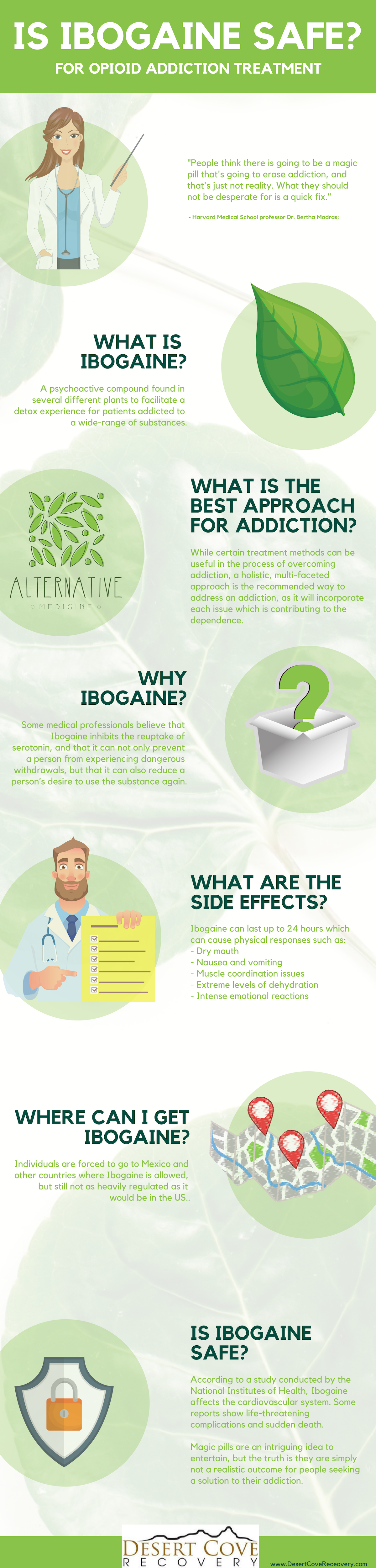
- The biggest concern is safety. Ibogaine can affect heart rhythm and has been linked to deaths in poorly screened or poorly supervised settings.
- Early reports and small studies are promising, but large randomized trials are still limited.
- Screening, medical monitoring, and follow-up care are non-negotiable if you are considering it.
What is ibogaine treatment?
Ibogaine is a psychoactive compound derived from the iboga shrub, which is native to Central West Africa. It has a long history in spiritual and ceremonial use, especially in Bwiti practices in Gabon. In modern addiction circles, ibogaine is better known for reports that it can sharply reduce opioid withdrawal and cravings.
That does not mean it works like a standard detox drug. Patients often describe a long, intense psychoactive experience followed by a period of reflection, fatigue, and emotional processing. Think of it less like taking an antibiotic and more like gut-renovating a house while the plumbing is still live. Messy, risky, and sometimes transformative.
Why ibogaine treatment is getting new attention
The recent interest is not random. Opioid deaths remain a public health emergency, and many people with PTSD or severe trauma do not get enough relief from talk therapy, SSRIs, or even more advanced options. That gap has pushed patients toward treatments at the edge of legality and science.
According to reporting from GBH, ibogaine is gaining traction among people seeking relief from addiction, PTSD, and related mental health struggles. Veterans are a big part of that story. Some are traveling outside the U.S. because they feel standard systems move too slowly or fail to address the full mix of trauma, substance use, and moral injury.
Here is the tension: people are chasing ibogaine because they are desperate, but desperation can blur judgment about risk.
Can ibogaine treatment help with addiction?
Maybe. That is the honest answer.
The strongest public interest centers on opioid use disorder. Some observational studies and patient reports suggest ibogaine may reduce acute withdrawal symptoms and lower cravings. That is a big deal because opioid withdrawal can be brutal, and fear of withdrawal keeps many people from even trying detox.
But there is a catch. Relief during or right after treatment is not the same as long-term recovery. Addiction is usually chronic. It involves brain chemistry, behavior, stress, housing, relationships, and relapse risk. A single powerful intervention can open a door, but you still need a plan to walk through it.
What people report after ibogaine
- Reduced withdrawal symptoms, especially from opioids.
- Lower cravings in the short term.
- Intense psychological insight or emotional release.
- A temporary sense of reset.
- Mixed long-term outcomes without structured follow-up care.
That last point matters most. Without therapy, medication support when appropriate, peer support, and relapse prevention, early gains can fade.
What about ibogaine treatment for PTSD and trauma?
This is where the conversation gets more complicated. PTSD is not only about fear memories. It often overlaps with depression, substance use, sleep problems, chronic stress, and dissociation. Some patients say ibogaine helped them revisit trauma with less panic and more distance, which sounds similar to the way people describe other psychedelic-assisted treatments.
Still, the evidence base is young. You should treat bold claims with suspicion, especially if they come from clinics selling expensive packages. Honestly, this field has the same problem you see in nutrition fads. A few striking stories can drown out the slower work of careful science.
And yes, there are striking stories.
That is why researchers and journalists keep watching the space. The signal may be real. The question is how strong it is, for whom it works, and at what cost.
What are the real risks of ibogaine treatment?
This is the part no serious article should soften. Ibogaine can be dangerous. The biggest known risk is cardiac toxicity, including dangerous changes to heart rhythm. People with certain heart conditions, electrolyte imbalances, or interactions from other drugs may face much higher risk.
There are also psychological and medical concerns during the experience itself. Nausea, vomiting, confusion, ataxia, and prolonged stress on the body can all happen. If a clinic skimps on screening or monitoring, the danger climbs fast.
Questions you should ask any ibogaine clinic
- Do they require a recent ECG and full cardiac review?
- Do they screen for liver issues, electrolyte problems, and current medications?
- Is there a physician on site during dosing?
- What emergency equipment is available?
- How do they handle opioid tapering or transition before treatment?
- What follow-up mental health and addiction support do they provide?
- Can they explain risks in plain English without dodging?
If a provider gets slippery with those answers, walk away.
Why the legal status still matters
In the United States, ibogaine is a Schedule I substance. That blocks routine clinical use and makes large-scale research harder. It also pushes treatment into offshore or gray-market settings, where quality can vary a lot.
But legality is not the same as science. Some banned treatments later prove useful. Others crash once proper trials arrive. Look, the smart position is neither blind faith nor reflex dismissal. It is disciplined curiosity.
That means paying attention to who is doing the research, how outcomes are measured, and whether reported benefits last longer than the afterglow phase. It also means asking whether a clinic is acting like a medical provider or a high-priced retreat.
How to think about ibogaine treatment if you are considering it
The best frame is this: ibogaine may be a catalyst, not a cure. A catalyst can matter a lot. It can interrupt withdrawal, shift perspective, and create a brief opening for change. But a catalyst is only useful if the rest of the system is ready.
(That includes your body, your mental health support, and your aftercare plan.)
If you are weighing options, compare ibogaine against evidence-based care you can access now. That may include medications for opioid use disorder like buprenorphine or methadone, trauma-focused therapy, inpatient treatment, outpatient programs, and support groups. For some people, ibogaine may sit alongside those paths. For others, standard care may be the safer first move.
What to watch next
Expect the debate around ibogaine treatment to get louder. More veterans, trauma survivors, and people in addiction recovery are talking openly about it. Researchers are paying closer attention. Regulators will eventually have to face the gap between patient demand and current law.
The next few years should bring a sharper answer on efficacy, safety protocols, and who should never take the risk. Until then, your best move is simple. Treat ibogaine with respect, not awe. If it becomes part of mainstream addiction or PTSD care, it will be because the data holds up under pressure, not because the testimonials sounded powerful. Would you trust anything less with your brain and your heart?
This article is for educational purposes only and should not be considered medical advice. Always consult a qualified healthcare provider before making decisions about addiction treatment. If you or someone you know is in crisis, call SAMHSA's National Helpline: 1-800-662-4357 (free, confidential, 24/7).