How to Help a Friend With Addiction Treatment
How to Help a Friend With Addiction Treatment Watching someone you care about spiral, deny the problem, or start treatment and then pull back can leave you…
How to Help a Friend With Addiction Treatment
Watching someone you care about spiral, deny the problem, or start treatment and then pull back can leave you stuck between fear and frustration. You want to do something useful, but you do not want to make things worse. That tension is real. And it matters now because addiction treatment works best when support is steady, informed, and grounded in reality, not panic. If you are searching for how to help a friend with addiction treatment, the first thing to know is simple: you cannot force recovery, but you can make treatment easier to reach and easier to stay with. That means listening well, setting limits, and helping your friend deal with the messy logistics that often derail care before it starts.
What actually helps
- Start with concern, not accusations. People are more likely to hear you when you describe what you have seen and why you are worried.
- Focus on treatment access. Offer help with finding programs, rides, child care, insurance calls, or appointment scheduling.
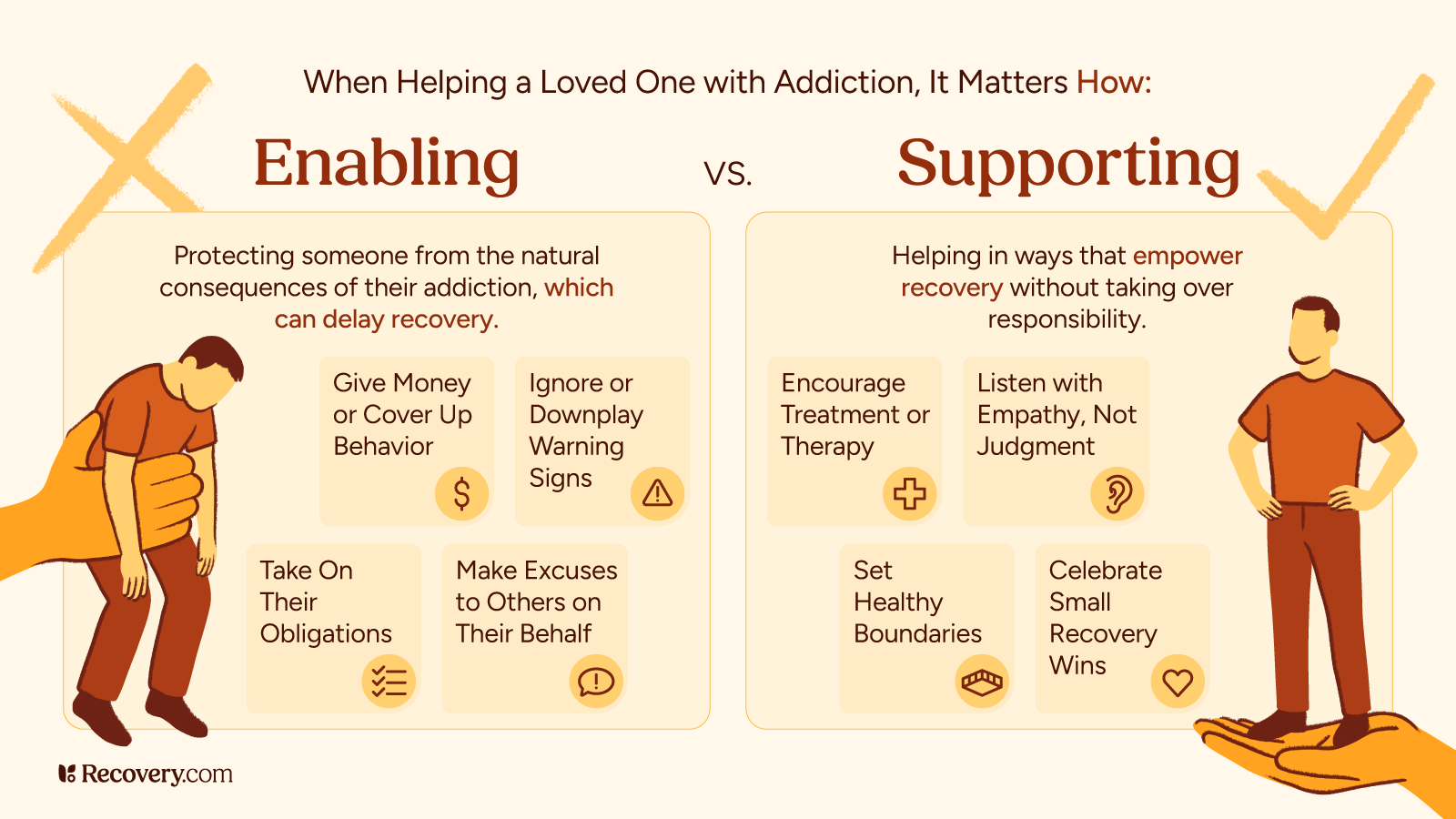
- Set boundaries early. Support does not mean giving cash, covering up harm, or accepting abuse.
- Expect resistance. Ambivalence is common in substance use disorders, even when the damage is obvious.
- Think long term. Treatment often involves setbacks, medication, therapy, and repeated tries.
How to help a friend with addiction treatment without taking over
Here is the trap many friends fall into. They confuse support with control. You cannot manage another adult into recovery any more than you can shout a plant into growing. Addiction treatment has to involve your friend’s own participation, even if that participation starts small.
A better approach is to become a steady point of contact. You can ask clear questions, offer specific help, and keep your word. But you should stop short of rescuing them from every consequence. That line matters.
Good support lowers barriers to treatment. It does not erase accountability.
Try language like this: “I am worried about your drinking.” “I have noticed you missed work twice this month and seemed sick the next day.” “If you want help finding treatment, I will help today.” Short. Concrete. Hard to dodge.
What to say when you bring up addiction treatment
Many people delay this talk because they are afraid of saying the wrong thing. Fair. But saying nothing for months is usually worse.
Lead with observations, not labels. Instead of “You are an addict,” try “I have seen your opioid use get riskier, and I am scared.” Instead of arguing over whether they have a problem, move toward action. What happens next? Would they talk to a doctor, therapist, or treatment program this week?
Use this simple structure
- Name what you have noticed.
- Explain why it worries you.
- Offer one concrete next step.
- State one boundary if needed.
For example: “You blacked out last weekend and drove home. I am worried someone will get hurt. I can sit with you while you call a treatment program today. But I will not lie for you if this happens again.”
That is direct, and it gives the conversation a spine.
How to help a friend with addiction treatment in practical ways
Addiction treatment often breaks down on logistics, not motivation alone. Insurance is confusing. Intake calls take time. Transportation falls through. A friend who is ashamed or physically unwell may quit before the first appointment. This is where your help can matter most.
Offer specific tasks instead of saying, “Let me know if you need anything.” Most people never know how to answer that.
Useful ways to support treatment
- Research local treatment options, including outpatient care, detox, residential treatment, medication-assisted treatment, and therapy.
- Help verify insurance coverage or locate lower-cost community programs.
- Drive them to an intake appointment or help arrange a ride.
- Sit with them while they make difficult phone calls.
- Help them build a short list of emergency contacts.
- Remove alcohol or drugs from shared spaces if appropriate.
- Encourage follow-up after missed appointments instead of treating one setback as total failure.
If opioid use is involved, ask a practical question. Do people around them have naloxone? That is not dramatic. It is basic harm reduction.
What boundaries should you set?
This part is non-negotiable. Support without boundaries can slide into enabling fast, especially if your friend knows how to push guilt, panic, or loyalty. Look, helping with treatment is one thing. Giving rent money you suspect will go to drugs is another.
Your boundaries depend on the situation, but they should be plain. No using substances in your home. No borrowing money. No verbal abuse. No driving while intoxicated with you in the car. If children are involved, the line gets even firmer.
One sentence can do a lot of work here.
Try this: “I care about you, and I will help you get treatment. I will not give you cash or cover for you.”
That may feel cold in the moment. Honestly, it is often kinder than sending mixed signals for months.
What if your friend refuses addiction treatment?
They might. In fact, they often do. Substance use disorders are tied to denial, shame, fear of withdrawal, and fear of life without the substance. So if your first conversation goes nowhere, that does not mean you failed.
Keep the door open, but stop arguing in circles. Repeat your concern. Repeat the offer of help. Repeat the boundary. Think of it like coaching a team through a losing season. You do not rewrite the playbook every five minutes. You stick to what works and wait for the moment the player is ready to act.
And if there is immediate danger, treat it as an emergency. An overdose, suicidal statements, severe withdrawal, or threats of violence call for urgent help, not another debate over readiness.
Treatment is rarely a straight line
Many people have a shaky picture of recovery. They assume one rehab stay fixes everything, or one relapse erases all progress. Neither is true. The National Institute on Drug Abuse has long described addiction as a chronic but treatable condition, and relapse rates for substance use disorders are often compared to those of other chronic illnesses such as hypertension or asthma.
That does not make relapse harmless. It means relapse should push the plan to get sharper, not disappear.
What long-term support can look like
- Check in after treatment starts, not just before.
- Ask about medication, therapy, peer support, and follow-up care.
- Support routines that reduce chaos, such as sleep, meals, and transportation planning.
- Encourage honesty after setbacks.
- Protect your own limits so resentment does not poison the relationship.
Some friends need residential treatment. Others do better with outpatient care, medication for opioid use disorder, counseling, or mutual support groups. The point is fit. Addiction treatment is more like building a house than buying a lamp. The foundation matters, and one missing beam can bring the whole thing down.
Do not ignore your own role and your own stress
If you have spent months cleaning up crises, lying for your friend, or staying on call at all hours, you may be exhausted and angry. That does not make you disloyal. It makes you human.
Families and friends often need support of their own through therapy, peer groups, or education about substance use disorders. You are more useful when you are steady. Burned-out helpers make rushed choices.
Ask yourself a blunt question: are you helping your friend move toward treatment, or are you helping the addiction keep the lights on?
A smarter next move
If your friend is open to help, pick one action today. Call a treatment provider. Find a local assessment. Ask about medication-assisted treatment. Arrange a ride. Small actions beat dramatic speeches almost every time.
If they are not ready, keep your message clean and repeatable. You care. Treatment is available. Your boundaries stand. That may sound modest, but it is often the difference between chaos and a real opening for change. And if the system makes treatment hard to reach, the next fight should not be with your friend alone. It should be with the barriers that keep care out of reach.
This article is for educational purposes only and should not be considered medical advice. Always consult a qualified healthcare provider before making decisions about addiction treatment. If you or someone you know is in crisis, call SAMHSA's National Helpline: 1-800-662-4357 (free, confidential, 24/7).