How Long PCP Stays in Your System and What That Means for Treatment
How Long PCP Stays in Your System and What That Means for Treatment You want straight answers on how long does PCP stay in your system because timing shapes…
How Long PCP Stays in Your System and What That Means for Treatment
You want straight answers on how long does PCP stay in your system because timing shapes every step of care. Delayed clearance can derail work, court dates, or treatment entry, and guessing is risky. Labs measure different tissues on different timelines, so knowing the real windows prevents false confidence. I have covered enough toxicology briefings to know that planning around the slowest path keeps people safe. The clock on PCP metabolites drives detox length, monitoring frequency, and when to schedule therapy. Miss that, and relapse risk climbs fast.
Quick Snapshot
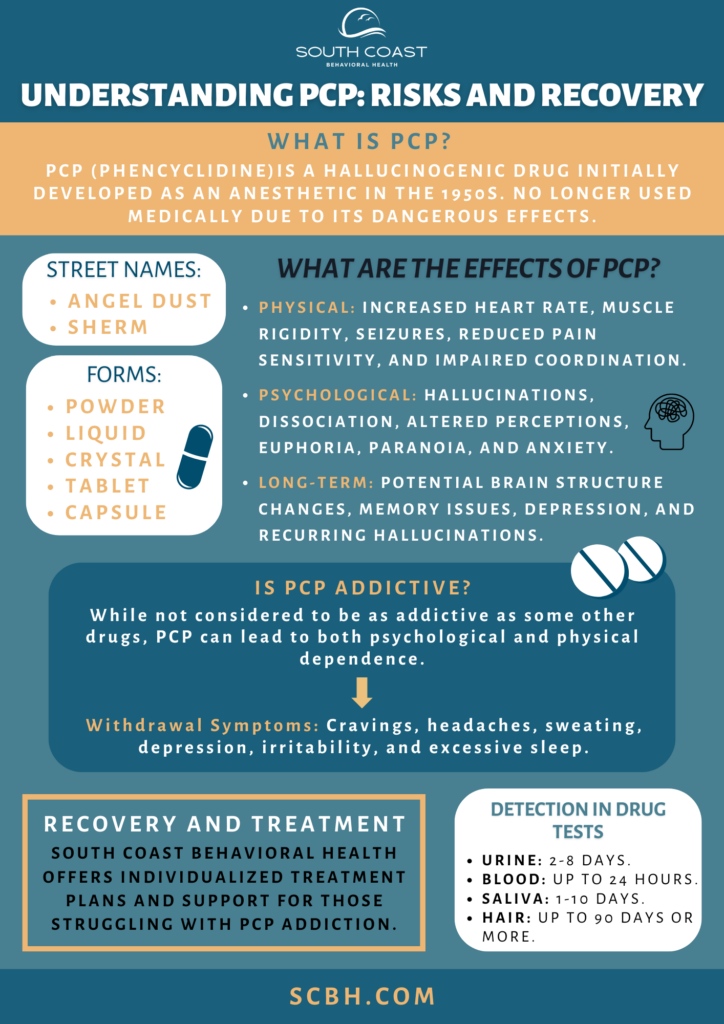
- Urine tests often detect PCP for 3 to 7 days; heavy use can stretch beyond a week.
- Blood tests see shorter windows, usually up to 24 hours after use.
- Hair tests can show PCP exposure for 90 days or more.
- Individual factors like body fat, liver health, and dose change every estimate.
- Treatment plans work better when timed to the longest likely detection window.
How long does PCP stay in your system and why it matters
Urine tests are the workhorse because they catch PCP for several days. Blood clears faster, so clinicians use it for recent use confirmation. Hair holds the longest record, but that is more about history than acute risk. The overlap lets programs pick the right tool for the right moment.
Plan around the slowest clearance, not the average, if you want to keep patients out of trouble.
PCP does not leave at the same pace for everyone.
Body composition matters because PCP is lipophilic and can linger in fat. Hydration, metabolism, and liver function push the curve in either direction. How do you plan treatment when clearance varies so widely? You build buffers into detox timelines and testing schedules.
Main risks while PCP remains in your system
Residual PCP can keep cognition slow and mood volatile, which complicates therapy. False negatives from testing too early can mislead families and courts. Driving or working heavy machinery before full clearance invites disaster. Think of it like scheduling a marathon after a sleepless night: you might finish, but the odds get ugly.
Using mainKeyword to time detox and rehab entry
Detox teams often hold patients for at least the outer edge of the urine window so cravings line up with counseling. Outpatient programs schedule early sessions after blood clears to improve attention. Family support meetings should land once the person can process feedback, not while PCP still fogs judgment.
- Map the likely detection window based on use history and health.
- Choose tests that match the decision point: blood for recent use, urine for routine checks, hair for long-term review.
- Set therapy milestones after the longest expected clearance period to reduce relapse triggers.
- Review medications for interactions, since lingering PCP can amplify side effects.
Factors that change the clock on how long does PCP stay in your system
High doses and frequent use extend storage in fat and slow release. Obesity stretches detection because more tissue holds the drug. Dehydration concentrates urine and can make tests light up longer. Liver impairment reduces metabolism. Age plays a role too, with younger patients often clearing faster.
Example timelines
Single moderate use in a healthy adult: blood up to 24 hours, urine 3 to 5 days, hair up to 90 days. Heavy chronic use with high body fat: blood up to 48 hours, urine 7 to 10 days, hair well past 90 days. These are ranges, not promises, which is why planning needs slack.
Testing choices for PCP detection
Immunoassay urine screens give quick answers but can flag cross-reactive substances. Confirmatory gas chromatography-mass spectrometry (GC-MS) tests remove doubt. Blood tests help in acute settings like ER visits. Hair tests fit legal and workplace cases that care about patterns, not just last weekend. Pick the method that answers the question you actually have.
Practical steps for patients and families
- Be transparent about use history so clinicians can model realistic clearance times.
- Plan work and legal obligations after the outer edge of the urine window.
- Use hydration and nutrition to support metabolism, but skip gimmicks that claim instant detox.
- Ask for confirmatory tests if a result will influence custody, employment, or sentencing.
- Coordinate therapy sessions when alertness is highest, often after blood clears.
Looking ahead on PCP recovery
Clinicians need better public guidance on PCP windows, and patients deserve timelines grounded in data instead of rumors. Expect more programs to publish transparent detection ranges and to align therapy around those numbers. The smarter your plan around how long does PCP stay in your system, the steadier the path to recovery.
This article is for educational purposes only and should not be considered medical advice. Always consult a qualified healthcare provider before making decisions about addiction treatment. If you or someone you know is in crisis, call SAMHSA's National Helpline: 1-800-662-4357 (free, confidential, 24/7).