Housing First and Addiction Treatment: A Practical Playbook
Housing First and Addiction Treatment: A Practical Playbook Housing costs keep climbing while overdose deaths haunt city blocks, so you need a Housing First…
Housing First and Addiction Treatment: A Practical Playbook
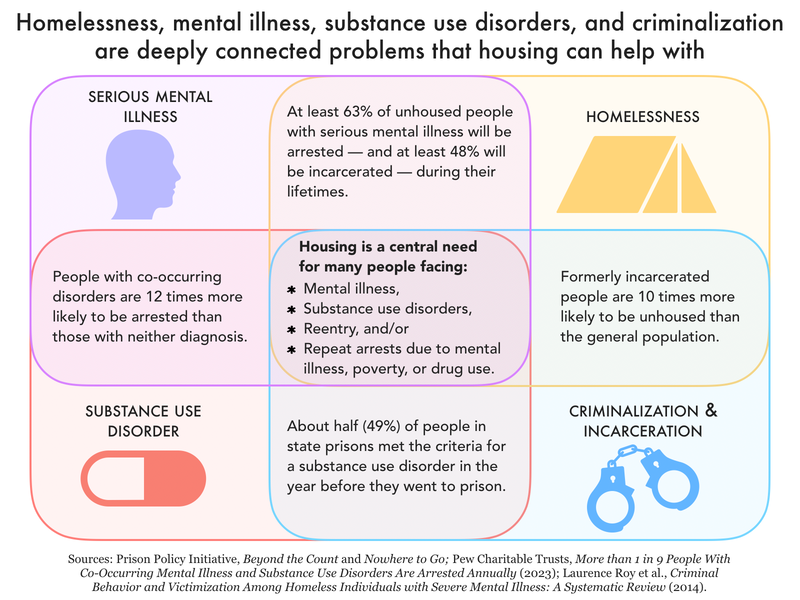
Housing costs keep climbing while overdose deaths haunt city blocks, so you need a Housing First addiction treatment plan that respects the data and the urgency. The model says give people a stable roof without preconditions, then layer in care, yet many residents now ask whether that promise matches street reality. You cannot stall on this. Bring in mental health teams, treatment slots, and accountability at the same pace as shelter placements or the system collapses. I have covered this beat long enough to see promising pilots fade because support services lagged behind keys handed out. Done right, Housing First addiction treatment keeps people alive long enough to enter recovery and keeps neighborhoods safer. Miss the timing, and frustration grows louder than any budget hearing.
What Matters Now
- Pair housing moves with on-site clinical teams from day one.
- Track treatment engagement with transparent metrics the public can see.
- Invest in street outreach that builds trust before crisis hits.
- Protect surrounding neighborhoods with quick responses to complaints.
Housing First Addiction Treatment Basics
Start with inventory. You need units that people actually want, not just distant motels. Why bet everything on detox before giving a roof when cold nights undo progress? Housing First works best when the first 72 hours include a nurse, a counselor, and a case manager with decision power. Think of it like cooking a stew: the ingredients must go in together or the flavor falls apart.
Data without housing rarely moves the needle.
Set clear agreements. A rental should come with on-site support hours and rapid repairs, because broken locks or busted heat erase trust. Bring in peer workers who have lived the same path; their presence often cuts no-shows. And keep naloxone, fentanyl test strips, and referrals on hand. Harm reduction is not a luxury; it is the bridge to treatment.
Promises without services turn Housing First into Housing Failed. Speed matters more than slogans.
Making Housing First Addiction Treatment Stick
Look, the debate often turns into a tired fight between abstinence and low-barrier care. The cities that win blend both. Offer medication-assisted treatment inside housing sites so residents do not have to choose between a clinic line and keeping their bed. Partner with nearby urgent care centers to absorb late-night crises when clinics are closed. Treat outreach like building a strong basketball bench: depth keeps you in the game when starters are exhausted.
- Map hotspots and send co-responder teams with clinicians and outreach staff.
- Fund mobile units that can start buprenorphine on the spot.
- Create a real-time bed dashboard so police and outreach know where to send people.
- Share quarterly outcomes: retention, overdoses reversed, and transitions to long-term housing.
Budget for property management training too. A well-run building sets consistent rules, logs incidents, and loops in neighbors. If trash overflows or dealers loiter, respond within 24 hours. That small move keeps community support alive.
Evidence, Limits, and Transparency
Studies show Housing First reduces shelter stays and improves stability, yet overdose curves demand more than stability. You must report both wins and gaps. Post the numbers on treatment starts, not just keys issued. (City budgets rarely flex, so you need proof to defend spending.) Add third-party audits so advocates and skeptics argue from the same facts. If police calls spike, analyze patterns rather than hiding behind talking points.
Honestly, I am tired of glossy press conferences that skip the messy parts. The public deserves the full picture. Can we build that culture of candor while people are still waiting for a bed?
Where Cities Go Next
Smart jurisdictions pilot, measure, and scale fast. They rotate staff to prevent burnout, reward landlords who keep units safe, and cut contracts with providers who miss targets. They also listen to tenants who say which supports actually help. Housing First addiction treatment is not a silver bullet, but it is a solid base to reduce deaths and disorder. The next step is obvious: fund the services at the same speed as the leases and show your work every quarter. Ready to prove it?
This article is for educational purposes only and should not be considered medical advice. Always consult a qualified healthcare provider before making decisions about addiction treatment. If you or someone you know is in crisis, call SAMHSA's National Helpline: 1-800-662-4357 (free, confidential, 24/7).