HHS Behavioral Health Quality Pledge: What It Means for Care
HHS Behavioral Health Quality Pledge: What It Means for Care If you or someone you love is trying to get mental health or substance use care, the biggest…
HHS Behavioral Health Quality Pledge: What It Means for Care
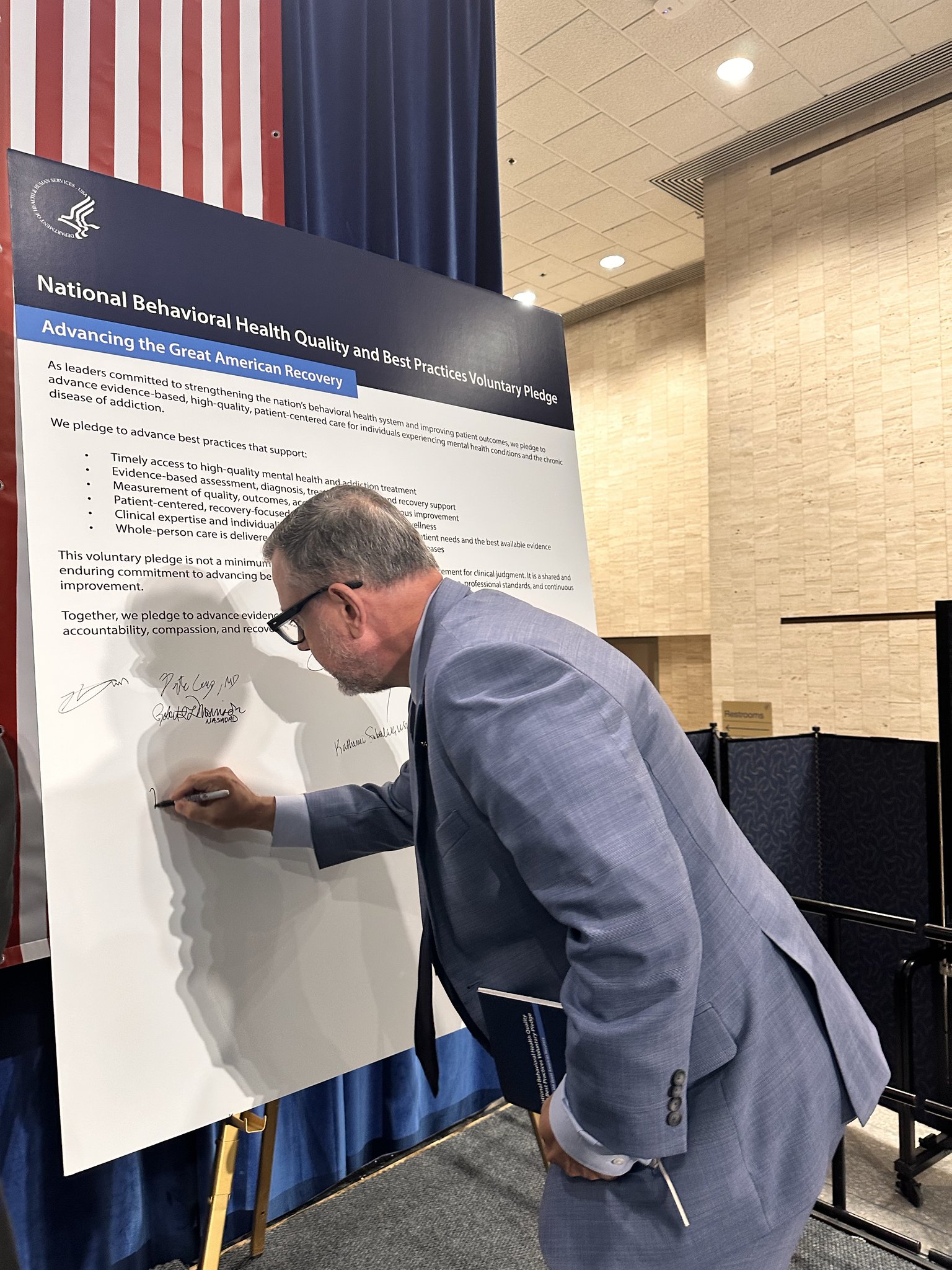
If you or someone you love is trying to get mental health or substance use care, the biggest problem is often not finding a provider. It is finding one you can trust. The HHS behavioral health quality pledge matters because quality in this system has been uneven for years, and people feel that gap fast when they are scared, in crisis, or trying to stay in recovery. Better standards sound dull on paper. In real life, they shape whether someone gets a real assessment, timely follow-up, and care that matches the problem instead of a rushed referral. That is not a small fix. It is the difference between a system that helps and one that just points.
Look, behavioral health should not work like a lottery. Yet that is how too many patients experience it. The new pledge from the Department of Health and Human Services pushes providers and partners toward stronger quality, more accountability, and better coordination across mental health and addiction care. What does that mean for you? Fewer dead ends, clearer expectations, and more pressure on the system to act like medicine, not guesswork.
What stands out in the HHS behavioral health quality pledge
- Quality is now the point, not an afterthought. The pledge signals that behavioral health care should be measured and improved with the same seriousness as other parts of medicine.
- Access alone is not enough. A slot on a calendar does not help if the care is weak, fragmented, or disconnected from follow-up.
- Recovery needs coordination. Mental health, substance use treatment, and primary care often overlap. The pledge pushes on that seam.
- Patients should see clearer standards. Better care should mean better screening, stronger referrals, and less variation from one provider to the next.
- Accountability matters. Public commitments only help if health systems, plans, and providers are expected to show results.
Why the HHS behavioral health quality pledge matters now
Behavioral health care has been under strain for years. Demand is high, the workforce is stretched, and many communities still lack enough services. The result is familiar. People bounce between emergency rooms, short-term visits, and long waits for follow-up. Families end up doing case management on their own.
The HHS pledge tries to move the conversation from volume to quality. That sounds bureaucratic, but it is actually practical. If a clinic screens for depression, suicide risk, and substance use but never closes the loop, the screen is not enough. If a patient leaves detox without a handoff to ongoing care, relapse risk climbs. A system that tracks quality has to answer basic questions: Did the person get seen quickly? Did treatment continue? Was the plan realistic?
Quality in behavioral health is not a luxury. It is the difference between contact and care.
What patients and families should expect
For people seeking care, the most useful shift is simple. You should be able to ask what a provider does to ensure quality and get a straight answer. That includes screening, safety planning, follow-up timing, and how the provider handles referrals if care needs change.
Think of it like a kitchen health inspection. A restaurant can have a stylish menu, but if the prep area is dirty, the meal is a risk. Behavioral health care works the same way. Credentials matter. Process matters more.
- Ask about assessment. A good program explains how it evaluates depression, anxiety, substance use, trauma, and crisis risk.
- Ask about follow-up. After the first visit, how fast do they check in?
- Ask about coordination. If you need medication, therapy, and support services, who connects the dots?
- Ask about outcomes. How does the program know treatment is helping?
One single visit rarely solves a behavioral health problem. And that is exactly why quality standards matter.
What providers and health plans may have to change
Providers cannot rely on good intentions alone. They may need tighter workflows, better data collection, and clearer handoffs between settings. Plans may need to pay attention to whether networks are actually delivering timely and effective care, not just whether a name appears in a directory.
Common pressure points
- Follow-up after hospitalization or crisis care.
- Coordination between outpatient and inpatient teams.
- Measurement of patient progress, not just visit counts.
- Integration of substance use treatment with mental health services.
- Training for staff who handle high-risk situations.
That is where this pledge may have real force. It gives federal backing to a message many clinicians already know. If the process is broken, outcomes will be, too.
How this fits into the bigger behavioral health picture
The federal push comes as behavioral health parity, overdose response, and mental health access remain front-line policy issues. The Substance Abuse and Mental Health Services Administration has long emphasized better access and integration, while HHS has been under pressure to improve outcomes across the care continuum. The pledge fits that broader direction. It says quality should be visible, expected, and measurable.
Could that fix every gap? No. Workforce shortages, rural access, and insurance barriers still hit hard. But better standards can stop some of the waste. They can also expose weak spots that have been hidden by vague claims of access.
What to watch next
Pay attention to whether the pledge turns into concrete measures. That means reporting, audits, payment changes, and real incentives for better care. If it does, the behavioral health field may start to look less like a patchwork and more like a system.
That is the test. Not a press release. Not a promise. A patient who gets the right care at the right time and does not get lost on the way out the door.
What happens when quality becomes the standard instead of the talking point?
Main takeaway: The HHS behavioral health quality pledge matters because it pushes the system toward care that is measurable, coordinated, and harder to fake.
This article is for educational purposes only and should not be considered medical advice. Always consult a qualified healthcare provider before making decisions about addiction treatment. If you or someone you know is in crisis, call SAMHSA's National Helpline: 1-800-662-4357 (free, confidential, 24/7).