Herbal Cleansing Program: What It Is and What to Know
Herbal Cleansing Program: What It Is and What to Know If you are looking at an herbal cleansing program, you are probably trying to solve a real problem. Maybe…
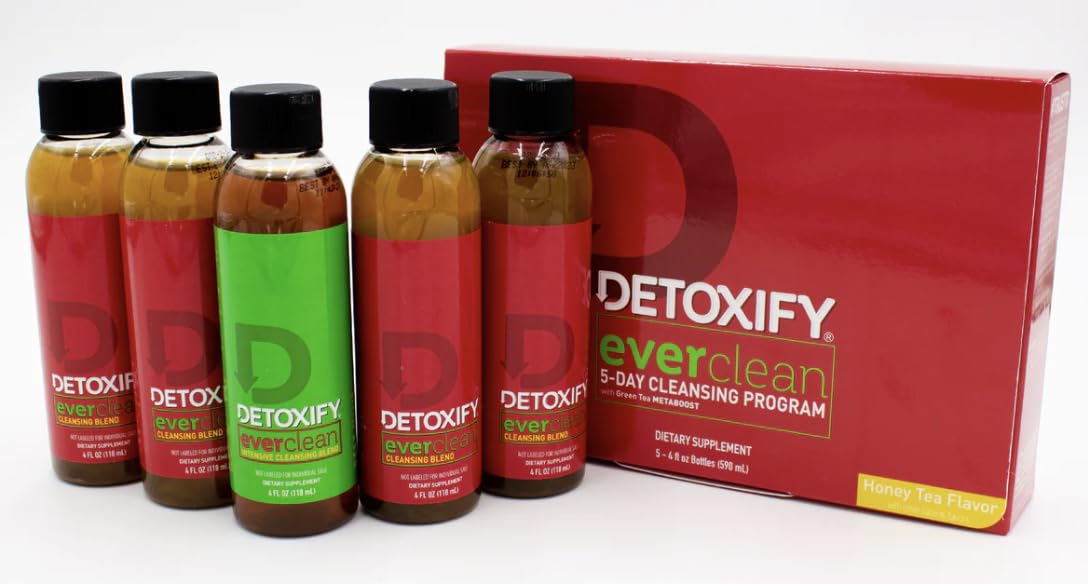
Herbal Cleansing Program: What It Is and What to Know
If you are looking at an herbal cleansing program, you are probably trying to solve a real problem. Maybe you want a reset after heavy eating, stress, or a habit that has taken too much space in your life. Maybe you saw a product that promises a fast clean-out and you want to know if it is worth your money, or safe. That matters now because detox claims spread fast online, and many of them blur the line between wellness marketing and health advice. The hard truth is simple. Your body already clears many substances on its own, but some herbs and supplements can still affect digestion, hydration, sleep, and how you feel day to day. So the question is not whether cleansing sounds appealing. The question is what it actually does, and what risks come with it.
What you should know about an herbal cleansing program
- Most cleansing products work through laxatives, diuretics, or stimulant herbs.
- Weight loss from a cleanse is often water and stool, not fat.
- Herbs can interact with prescription drugs and health conditions.
- Claims of “detoxing” are often vague and not backed by strong evidence.
- Safer results usually come from sleep, hydration, food changes, and medical care when needed.
What does an herbal cleansing program usually include?
Most herbal cleansing programs rely on a mix of teas, capsules, powders, or drinks. Common ingredients include senna, cascara sagrada, dandelion, milk thistle, ginger, peppermint, and fiber blends. Some formulas also add caffeine, which can make the product feel stronger than it really is.
The structure is familiar. You follow a set schedule for a few days or weeks, avoid certain foods, and take the herbs as directed. It is a bit like painting over a wall with peeling paint. The surface may look better for a while, but the underlying problem has not been fixed.
Does an herbal cleansing program detox your body?
Not in the way many ads suggest. Your liver, kidneys, lungs, gut, and skin already handle waste removal every day. The National Center for Complementary and Integrative Health says there is little evidence that detox diets remove toxins from the body better than your own organs do.
That does not mean every herb is useless. Some can ease constipation or support regular bowel movements. But that is different from removing mysterious toxins. And those words matter. A lot.
Big claims need big evidence. If a product promises to “flush toxins,” ask what toxin, measured by what test, and backed by what study.
What are the risks of herbal cleansing program products?
The biggest risk is assuming natural means safe. It does not. Senna and similar stimulant laxatives can cause cramping, diarrhea, dehydration, and electrolyte loss. Diuretics can also push fluids out too fast, which may leave you dizzy or weak.
People with diabetes, kidney disease, heart problems, eating disorders, or a history of substance use need extra caution. If you take blood pressure medicine, antidepressants, blood thinners, or diabetes drugs, herb-drug interactions can get messy fast. Honestly, that is where many detox products stop being a lifestyle choice and start becoming a medical issue.
Red flags to watch for
- Promises of rapid weight loss
- Claims that one product can fix many unrelated problems
- No clear ingredient list or dosage
- Testimonials instead of data
- Advice to stop prescribed medicine
How do you judge an herbal cleansing program before you buy it?
Start with the label. Look for exact ingredient amounts, not just a “proprietary blend.” Check whether the company names the source of its evidence, such as a clinical trial, not a vague reference to “traditional use.” If the product hides the dose, that is a bad sign.
Then ask a practical question. What outcome do you actually want? Less bloating? Better bowel regularity? A reset from heavy drinking or a poor diet? Different goals need different tools. A cleansing product may help constipation, but it will not fix a binge pattern, chronic fatigue, or a health condition that needs care.
When is a different approach better?
If your goal is general wellness, start with basics that have real upside. Drink enough water. Eat more fiber from food. Sleep on a steady schedule. Cut back on alcohol. Move your body most days. Those steps are boring, yes, but they are also the kind that hold up under scrutiny.
If you are trying to recover from substance use, a cleanse is not treatment. Full stop. Withdrawal, cravings, and relapse risk need support from clinicians, counselors, or a structured program. A herbal drink cannot replace that. Why pretend otherwise?
Some people do benefit from guided herbal use for constipation or nausea, especially when a clinician helps choose the product and dose. That is the key difference. Supervision changes the equation.
What a smart next step looks like
Before you buy an herbal cleansing program, compare the claim with the evidence, the ingredients with your health history, and the price with the actual outcome you want. If the product sounds dramatic, pause. If it sounds simple and specific, ask whether a food, fluid, or medical change would do the job with less risk.
The wellness market loves shortcuts. Your body does not care about marketing. It cares about what you put in, what you stop taking, and whether a real problem gets solved. That is the part worth paying attention to next.
This article is for educational purposes only and should not be considered medical advice. Always consult a qualified healthcare provider before making decisions about addiction treatment. If you or someone you know is in crisis, call SAMHSA's National Helpline: 1-800-662-4357 (free, confidential, 24/7).