HEARTS Center Bronx: What the $44M Treatment Site Means
HEARTS Center Bronx: What the $44M Treatment Site Means If you or someone you love has tried to find addiction care in the Bronx, you know the problem is not…
HEARTS Center Bronx: What the $44M Treatment Site Means
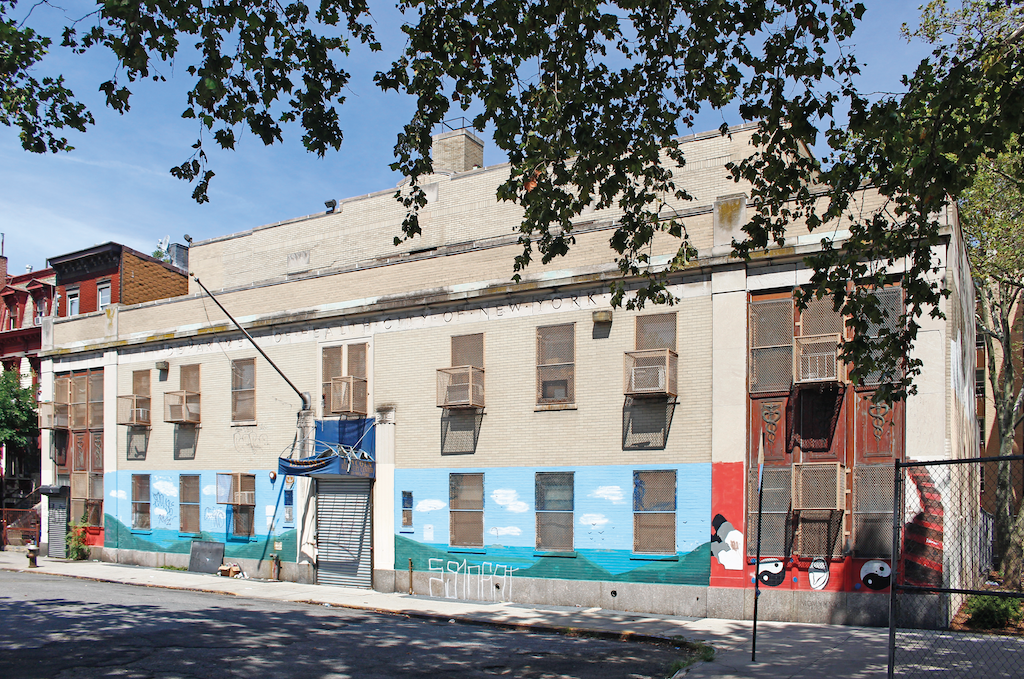
If you or someone you love has tried to find addiction care in the Bronx, you know the problem is not abstract. Beds are scarce, referrals can stall, and the distance between crisis and care can feel punishing. The HEARTS Center Bronx, a $44 million project reported by the Bronx Times at the former Lincoln Detox site, matters because it puts treatment access back into a building with deep history. That alone does not fix the overdose crisis. But it gives the borough a concrete chance to connect medical care, behavioral health support, and recovery services in one place, at a moment when New York City still needs more low-barrier treatment options. Look, facilities do not save lives by existing. They save lives when people can actually get through the door, stay engaged, and come back after a setback.
What Stands Out
- The project brings new investment to a historically loaded site. The former Lincoln Detox location carries a legacy tied to community-led addiction care in the South Bronx.
- The $44 million price tag raises the stakes. Publicly backed health projects should be judged by access, outcomes, and neighborhood trust.
- Integrated services matter. Addiction treatment works better when medical, mental health, and recovery support are coordinated.
- The Bronx needs practical capacity. More people need timely assessments, medication treatment, counseling, and follow-up support.
Why HEARTS Center Bronx Carries More Weight Than a Standard Renovation
The former Lincoln Detox site is not just another health care address. In the 1970s, Lincoln Detox became known for community-rooted addiction treatment, political organizing, acupuncture-based withdrawal support, and a philosophy that treated substance use as a public health and social issue.
That history gives the new HEARTS Center Bronx project an extra burden. If leaders want community buy-in, they cannot treat the building like a blank slate. They need to explain what services will be offered, who can access them, and how the program will respect the people who remember what Lincoln Detox represented.
That history still matters.
Bronx Times reporting places the investment at $44 million, which signals a serious capital commitment. The harder question is simple: will that money translate into faster help for people using opioids, alcohol, stimulants, or multiple substances at once?
What HEARTS Center Bronx Should Get Right
A strong treatment center has to do more than open exam rooms. It needs a front door that works for people in crisis, including people without stable housing, people with untreated mental illness, and people who have left care before.
Good care resembles a well-run transit hub. If one line is down, you need another route, clear signs, and staff who know where to send you. Addiction treatment is similar, because detox, medication, therapy, primary care, and peer support must connect without forcing people to start over at every stop.
Low-barrier access
The best test of the HEARTS Center Bronx will be how it handles first contact. Can someone walk in after a relapse? Can a family member get guidance before the situation becomes an emergency? Can staff start medication for opioid use disorder quickly when it is clinically appropriate?
These are not soft questions. Research from the National Institute on Drug Abuse shows that medications such as buprenorphine and methadone reduce opioid use and overdose risk for many patients. Delays can push people back into unsafe drug markets, especially when fentanyl is common.
Mental health care in the same orbit
Substance use and mental health conditions often move together. Depression, trauma, anxiety, bipolar disorder, and psychosis can all shape a person’s recovery plan, and treating one issue while ignoring the other is poor medicine.
A center like this should make psychiatric assessment and counseling easier to reach (without making people wait months). That does not mean every patient needs the same plan. It means the system has to be flexible enough to match the person in front of it.
Peer support that is more than decoration
Peer workers can make a facility feel less cold and more believable. People often listen differently when the person across the table has lived experience with recovery, relapse, incarceration, homelessness, or grief.
But peer support needs real authority, training, and pay. If peer workers are treated as window dressing, patients notice fast.
“A new treatment center succeeds only if the community can trust it, reach it, and return to it without shame.”
The Former Lincoln Detox Site Raises a Trust Question
Public health leaders often talk about access, but trust is the first access point. The Bronx has seen enough short-term programs, shifting priorities, and ribbon-cutting promises to justify skepticism.
So what should residents watch for? Not polished speeches. Watch for public reporting on service hours, referral times, patient volume, overdose prevention work, language access, and how complaints are handled.
- Clear eligibility rules: People should know whether the center accepts walk-ins, referrals, Medicaid, uninsured patients, or court-linked cases.
- Medication access: The center should clearly explain how it connects patients to buprenorphine, methadone referrals, naloxone, and other evidence-based supports.
- Family guidance: Loved ones need practical help, especially when someone refuses treatment or cycles through emergency rooms.
- Aftercare planning: Discharge without follow-up is a weak handoff. Recovery support, housing referrals, and outpatient care should be planned early.
- Community accountability: Regular updates should be shared in plain language, not buried in agency documents.
How HEARTS Center Bronx Fits the Overdose Crisis
New York City has faced a long overdose emergency, with fentanyl driving many deaths. The Bronx has been hit especially hard in recent years, according to city health data, which is why treatment capacity in the borough is not a nice extra. It is non-negotiable.
Still, one center cannot carry the whole borough. Hospitals, syringe service programs, shelters, outpatient clinics, mobile treatment teams, and community groups all have a role. The HEARTS Center Bronx can become a strong piece of that network if it reduces friction instead of adding another maze.
Here is the thing: people rarely seek treatment under perfect conditions. They come after a scare, an arrest, a family fight, a night in the emergency department, or a quiet moment when they are tired of being sick. A good system is ready for that uneven timing.
What Families Should Do Before They Need the Center
If you live in the Bronx and substance use is already affecting your household, do not wait for a crisis to gather information. Keep a short list of local treatment contacts, harm reduction providers, and emergency options in your phone.
Ask direct questions when you call any program. Do they offer same-day assessment? Do they treat opioid and alcohol use disorders? Do they help with insurance? Do they involve family if the patient agrees?
- Keep naloxone at home if opioids may be involved.
- Ask whether a provider offers medication for opioid use disorder.
- Write down current medications, diagnoses, and prior treatment history.
- Save the 988 Suicide and Crisis Lifeline if mental health risk is present.
- Call 911 for overdose, severe withdrawal symptoms, or immediate danger.
Honestly, the best time to learn the system is before panic takes over. That is not defeatist. It is preparation.
The Test Comes After the Ribbon Cutting
The HEARTS Center Bronx project deserves attention because it ties new money to an old site with real meaning. But the measure of success will be boring, human, and trackable: shorter waits, respectful intake, medication access, steady follow-up, and fewer people falling through gaps.
If the center can do that, it will be more than a renovated building. If it cannot, the $44 million figure will look like another expensive promise that missed the people it was meant to serve. The next step is simple for residents and advocates: ask what services are open, who qualifies, and how the center will report results back to the Bronx.
This article is for educational purposes only and should not be considered medical advice. Always consult a qualified healthcare provider before making decisions about addiction treatment. If you or someone you know is in crisis, call SAMHSA's National Helpline: 1-800-662-4357 (free, confidential, 24/7).