Group Counseling for Students: Why It Works
Group Counseling for Students: Why It Works College can make stress feel private, even when half the campus is wrestling with the same fears. That is why group…
Group Counseling for Students: Why It Works
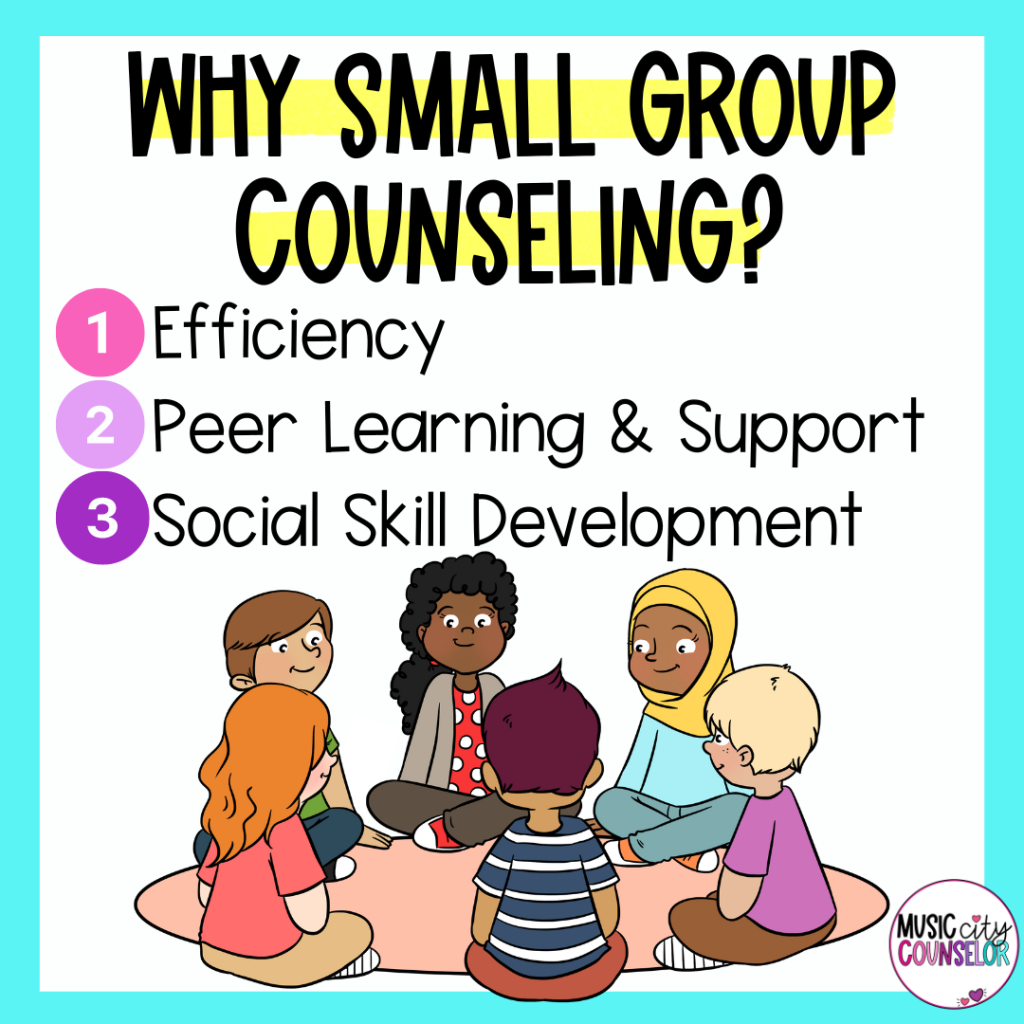
College can make stress feel private, even when half the campus is wrestling with the same fears. That is why group counseling for students deserves more attention right now. Emory University’s Counseling and Psychological Services, known as CAPS, has been pointing students toward group counseling as one way to strengthen well-being and mental health. The idea is simple, but often misunderstood. You meet with trained counselors and peers who share a concern, such as anxiety, grief, identity questions, relationship strain, or adjustment to campus life. You talk, listen, test coping skills, and learn that your struggle is not some personal defect. For students who feel stuck on a waitlist, unsure about therapy, or tired of carrying stress alone, a group can be a solid first move.
What Stands Out
- Group counseling for students reduces isolation by putting shared experiences in the open.
- Campus groups are usually led by licensed clinicians or supervised mental health professionals.
- Groups can help students practice communication, boundaries, and coping skills in real time.
- They are not only for crisis care. Many focus on growth, adjustment, and resilience.
- The best fit depends on your goals, comfort level, and the type of support you need.
What Is Group Counseling for Students?
Group counseling is therapy delivered in a small group setting, usually with one or two facilitators. On a campus like Emory, CAPS may offer groups built around themes such as anxiety management, interpersonal skills, grief, mindfulness, trauma recovery, or support for specific student communities.
This is not a random chat circle. A good group has structure, privacy rules, and a clinical purpose. Think of it like a practice court in basketball. You still have coaching, but you also learn by seeing how other players move, hesitate, recover, and try again.
“Group counseling can help students realize they are not alone, while giving them a safe place to build skills they can use outside the counseling room.”
That mix matters. Individual therapy can be powerful, but it happens one-to-one. A group lets you work on the very thing that often hurts during college, your connection with other people.
Why Group Counseling for Students Can Work So Well
Students often arrive at counseling with the same quiet fear. They think everyone else is coping better. Group counseling punctures that myth fast, because you hear other people name the same panic before exams, the same loneliness after a move, or the same dread before a hard family call.
Sometimes the room does the work.
The clinical value is not only emotional relief. In a group, you can practice skills with real feedback. If you tend to shut down during conflict, you can notice it in the moment. If you over-apologize, the group may reflect that pattern back to you in a way that feels less harsh than hearing it from a roommate during a fight.
What you can gain from a well-run group
- Perspective: You hear how other students handle similar stress without copying their life.
- Accountability: You can set small goals and return the next week to talk about what happened.
- Language: You learn words for feelings that have been sitting in your chest like wet cement.
- Belonging: You get repeated proof that distress does not make you strange or weak.
- Practice: You test new habits before using them in higher-stakes situations.
How Emory CAPS Frames Student Mental Health Support
Emory’s news story highlights group counseling as part of a broader effort to support student well-being and mental health. That framing is the right one. Campus counseling centers cannot treat every student need with the same model, and they should not try.
Groups can stretch access without watering down care when they are matched well to student needs. That last part is non-negotiable. A grief group, a skills group for anxiety, and a support group for graduate students may all sit under the group counseling label, but they do different jobs.
Look, I have covered campus mental health for years, and the hype cycle around wellness programs can get silly. Apps, slogans, and cheerful posters do not replace trained care. But group counseling has a stronger backbone than most campus wellness trends because it puts students in direct contact with clinicians and peers, then asks them to practice change.
Is Group Counseling for Students Right for You?
A group may be a good fit if you want support, but do not need one-on-one attention for the full session every week. It may also help if your stress shows up in relationships, classrooms, teams, labs, or residence halls. Where else can you safely test new ways of speaking up?
Still, group counseling is not ideal for every moment. If you are in immediate danger, feel unable to stay safe, or need intensive trauma processing, you may need urgent or individual support first. A campus counseling center can help you sort that out during an intake or screening appointment.
Questions to ask before joining
- What is the group’s main focus?
- Is it open to new members all semester, or does it run for a set number of weeks?
- Who leads the group, and what are their credentials?
- What privacy expectations do members agree to follow?
- Will I be expected to speak every session?
- Can I also see an individual counselor if I need one?
These questions are practical, not picky. The more you know upfront, the easier it is to stay engaged once the group starts. A good facilitator will welcome clear questions because fit shapes outcome.
What to Expect in Your First Group Session
The first meeting usually includes introductions, group agreements, and a plain explanation of how sessions work. You may hear rules about confidentiality, respectful listening, attendance, and how to handle difficult emotions during the session.
You probably will not be forced to spill your whole history on day one. Many groups let members speak at their own pace, especially at the start. If you are nervous, you can say that. Half the room may nod.
After a few sessions, the rhythm gets easier. You may check in, discuss a theme, practice a skill, or respond to another student’s experience. The best groups feel steady rather than scripted, like a kitchen where the recipe matters but the cook still adjusts for heat.
How to Get More Out of Group Counseling for Students
Showing up is the first step, but it is not the whole job. Group counseling works better when you treat it as active training for daily life. You do not have to perform, but you do have to participate honestly enough for the group to meet the real you.
- Start with one clear goal. Try something specific, such as speaking once per session or practicing one anxiety tool before exams.
- Notice your patterns. Do you rescue others, stay silent, make jokes, or avoid disagreement?
- Use the group between sessions. Apply one idea in a dorm conversation, lab meeting, rehearsal, or family call.
- Give feedback with care. Say what you noticed, not what you assume about someone’s motives.
- Tell the facilitator if you feel lost. Silence can mean reflection, but it can also mean confusion.
Progress may look small from the outside. You send one honest text, ask for an extension before melting down, or tell a friend you need space. Those are not tiny moves when your old pattern was avoidance.
Why Campuses Should Take Groups Seriously
Demand for student mental health care has strained many college counseling centers. Group counseling will not solve staffing shortages by itself, and anyone selling it that way is oversimplifying the problem. But it can be one smart part of a larger care system.
Groups also push back against a lonely version of mental health care where every student is sent off to fix themselves in private. Some problems grow in isolation. It makes sense that part of the repair happens with other people in the room.
For universities, the task is quality control. Groups need trained leaders, clear referral paths, culturally aware facilitation, and enough variety to meet different student needs. A campus should not call something therapy just because students are gathered in a room.
The Next Step Is Smaller Than You Think
If you are curious, check your campus counseling center’s group list and pick one option that matches your current stress. You do not have to be certain. You only need enough willingness to ask, sign up, or request a screening.
Group counseling for students is not a magic fix, and that is fine. The better question is more practical: what might change if you stopped treating your struggle as something you have to carry alone?
This article is for educational purposes only and should not be considered medical advice. Always consult a qualified healthcare provider before making decisions about addiction treatment. If you or someone you know is in crisis, call SAMHSA's National Helpline: 1-800-662-4357 (free, confidential, 24/7).