GLP-1s in Addiction Treatment: What the Evidence Actually Shows
GLP-1s in Addiction Treatment: What the Evidence Actually Shows If you are hearing that GLP-1s in addiction treatment might help with alcohol, nicotine, or…
GLP-1s in Addiction Treatment: What the Evidence Actually Shows
If you are hearing that GLP-1s in addiction treatment might help with alcohol, nicotine, or other substance use, the hype can get ahead of the science fast. That matters because people in recovery do not have room for sloppy claims. They need clear answers, real risks, and a sense of what these drugs can actually do right now.
The strongest case for these medications is still early. Research is pointing in an interesting direction, but it is not a free pass to call them a cure. And if you have watched addiction medicine for any length of time, you know the field has seen plenty of big promises fade once better data arrives.
So what should you believe? Here is the clean read: GLP-1s may end up becoming useful tools in addiction care, especially for cravings and compulsive use patterns, but they are not yet a standard treatment for substance use disorder. That distinction matters.
What GLP-1s in addiction treatment may change
- They may reduce cravings. Early studies suggest GLP-1 receptor agonists could affect reward pathways linked to alcohol and nicotine use.
- They are not approved for addiction. Drugs like semaglutide and tirzepatide are approved for diabetes and, in some cases, weight management, not substance use disorder.
- Evidence is still limited. Most findings come from small studies, animal research, or secondary analyses, not large definitive trials.
- Side effects matter. Nausea, vomiting, constipation, and appetite suppression can be a problem for some people in recovery.
- Care still needs to be personalized. Medication can help, but it does not replace counseling, support, or treatment for co-occurring mental health conditions.
Why researchers are paying attention to GLP-1s in addiction treatment
GLP-1 medications were built for blood sugar control, then gained attention for weight loss. Now researchers are asking a different question. Could these drugs also blunt the brain signals that drive repeated use?
The idea is not random. GLP-1 receptors show up in brain regions tied to reward and impulse control, including pathways involving dopamine. That is one reason scientists are testing whether these medicines might lower alcohol intake, reduce nicotine cravings, or change the urge to overuse other substances.
Think of it like adjusting the tension on a door closer. You are not replacing the whole door. You are changing how forcefully it swings back open. That is the kind of effect researchers are hoping for here, a smaller urge, a little more pause, a bit more control.
The National Council for Mental Wellbeing has highlighted GLP-1s as a promising but still emerging area in addiction treatment. Promising does not mean proven. That is the line to keep in view.
What the current evidence says
Right now, the evidence base is mixed. Some studies point to lower alcohol consumption or reduced cravings among people taking GLP-1s, while others are too small or too indirect to support firm conclusions. That is typical of an early-stage research area.
Animal studies have been especially active, and they have shown reduced alcohol-seeking behavior in some models. Human data is more cautious. Observational findings can suggest a signal, but they cannot prove the medication caused the change. Maybe people lost weight, felt better, drank less, or changed other habits at the same time.
And that is the trap with early enthusiasm. A signal is not a solution.
Which addiction problems might GLP-1s help most?
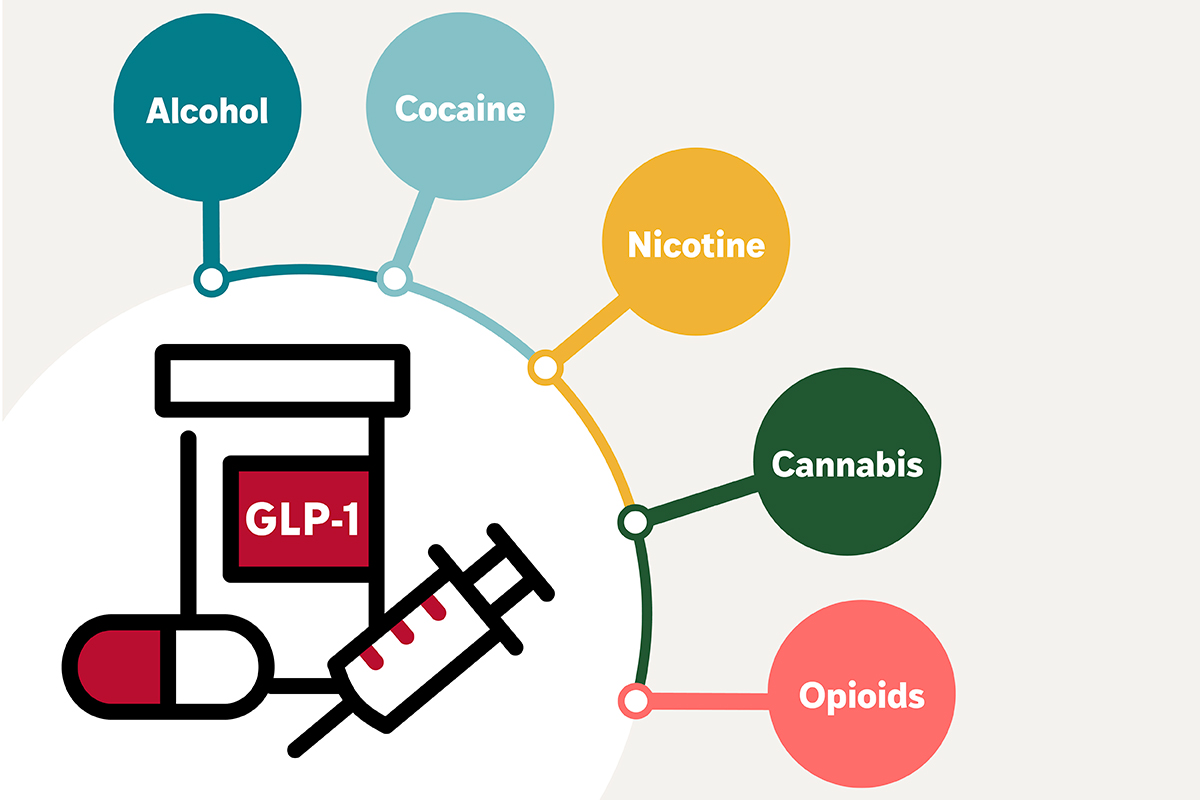
Alcohol use disorder is getting the most attention. Nicotine use is also drawing interest. Some researchers are looking at stimulant use and other compulsive behaviors, but the data there is thinner.
Why alcohol first? Because drinking has a strong reward loop, and researchers think GLP-1s may affect both appetite and reward processing. That overlap makes alcohol a natural test case. Nicotine is similar, though the biology is not identical.
Will the same drug work the same way for everyone? Probably not. People with different substance use patterns, medical histories, and psychiatric conditions may respond very differently.
Who might be a better fit for future studies
- People with alcohol use disorder who also have obesity or type 2 diabetes.
- People who have not responded well to first-line treatments.
- Patients already using GLP-1s for another approved reason, where researchers can track addiction-related outcomes.
GLP-1s in addiction treatment: the limits you should not ignore
Here is the thing. Even if the signal grows stronger, GLP-1s will not erase the need for standard addiction care. They may become part of treatment plans, not the whole plan.
There are real practical issues too. Some people in recovery already struggle with appetite, gastrointestinal problems, or unstable nutrition. GLP-1 side effects could complicate that. Others may have insurance barriers, medication shortages, or trouble tolerating the drug at all.
There is also a clinical risk in overpromising. If someone expects a weekly shot to fix years of alcohol dependence, disappointment can hit hard. Recovery is messy. Treatment should be honest about that.
What clinicians and patients should ask now
If you are a patient, or you work with people in recovery, the useful question is not whether GLP-1s are magic. It is whether they fit a specific case.
- What substance use outcome is the medication supposed to affect?
- Is there a clear reason to prefer a GLP-1 over a standard addiction medication?
- How will side effects affect nutrition, sleep, or adherence?
- What other treatments are in place, including therapy, peer support, or medication for withdrawal prevention?
- How will progress be measured over time?
Those questions keep the conversation grounded. They also force a treatment team to think beyond headlines.
Where this field goes next
The next step is simple to say and hard to do. Researchers need larger, better controlled trials that look directly at substance use outcomes, not just weight or blood sugar. They also need to study who benefits, who does not, and what dose or duration makes sense.
Until then, the smart stance is cautious curiosity. GLP-1s in addiction treatment may become a real part of care, but the evidence still has to earn that status. If you are following this space, watch the trial data, not the marketing.
Because the question is not whether a new medication can sound promising. The question is whether it helps people stay alive, stay stable, and stay in recovery.
What to watch next in GLP-1s in addiction treatment
Watch for randomized trials, clearer safety data, and guidance from addiction medicine groups. That is where the real story will be written. Until then, keep your expectations measured and your standards high.
This article is for educational purposes only and should not be considered medical advice. Always consult a qualified healthcare provider before making decisions about addiction treatment. If you or someone you know is in crisis, call SAMHSA's National Helpline: 1-800-662-4357 (free, confidential, 24/7).