GLP-1 Treatment for Veterans: What It Could Mean for Addiction Care
GLP-1 Treatment for Veterans: What It Could Mean for Addiction Care Many veterans live with more than one health problem at once. Weight gain, diabetes,…
GLP-1 Treatment for Veterans: What It Could Mean for Addiction Care
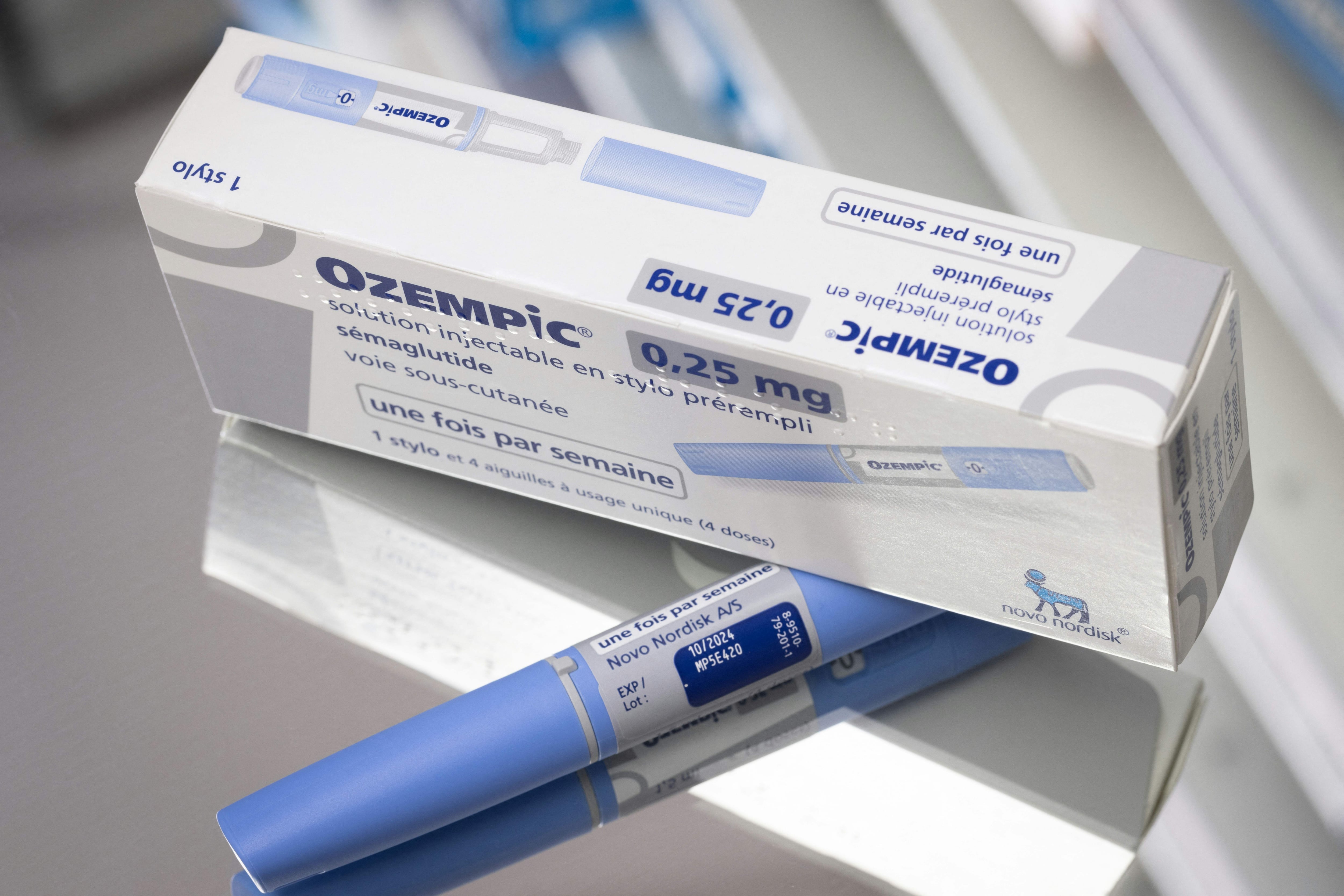
Many veterans live with more than one health problem at once. Weight gain, diabetes, trauma, chronic pain, alcohol use, and opioid exposure can stack up fast. That is why GLP-1 treatment for veterans is drawing so much attention now. These medications were built for blood sugar control and weight loss, but researchers and clinicians are also asking a harder question. Could they help reduce alcohol or drug cravings too?
That question matters because the VA treats a large number of patients with complex, overlapping needs. If GLP-1 drugs such as semaglutide or tirzepatide can support recovery, even for a slice of veterans, the impact could be seismic. But hype can outrun evidence. And that is where careful reading matters.
Look, this is not a miracle story. It is a test of whether a diabetes and obesity drug class might also fit into addiction care, where treatment gaps are still common and relapse risk stays high.
What stands out about GLP-1 treatment for veterans
- GLP-1 drugs are already familiar to many clinicians because they are used for diabetes and weight management.
- Early research suggests possible effects on cravings, especially for alcohol use disorder and some forms of overeating.
- Veterans often have overlapping diagnoses, which makes one medication with multiple possible benefits worth studying.
- Access inside the VA can change adoption quickly if evidence and prescribing guidance line up.
- Cost, side effects, and supply issues still matter, so this is not a simple yes or no.
Why GLP-1 treatment for veterans is getting attention
GLP-1 receptor agonists mimic a gut hormone that helps regulate appetite and blood sugar. That is the core use. But researchers have noticed something else. Some patients report lower interest in alcohol or fewer binge-eating urges after starting treatment.
That does not prove a new addiction therapy. It does, however, justify more study, especially in systems like the Department of Veterans Affairs, where clinicians see a lot of substance use disorder alongside depression, PTSD, sleep problems, and metabolic disease.
Think of it like a utility player in baseball. You do not buy the player for every position, but if they can cover more than one role, the roster gets easier to manage. Same logic here. Different stakes.
What the research can and cannot say yet
Small studies and real-world reports have raised interest in semaglutide, liraglutide, and tirzepatide. Some observational findings suggest lower alcohol intake or lower relapse risk among patients taking these drugs for other reasons. But observational data can mislead. People who get GLP-1 therapy may also have better access to care, more follow-up, or different health habits.
That is the key point: a signal is not the same thing as proof. Addiction care needs proof, because vague optimism has burned patients before.
Randomized clinical trials are the better test. Until those results arrive, GLP-1 treatment for veterans should be viewed as promising, not settled. What should you do with that uncertainty? Ask whether the medication is being used for a clear medical need first, then look at any possible substance use benefits as a secondary gain.
Where veterans may benefit most
GLP-1 treatment may make the most sense when a veteran has more than one target at once. For example, someone managing type 2 diabetes and alcohol misuse may benefit if the same medication improves metabolic health and reduces drinking intensity. That is practical care, not theory.
Possible use cases
- Veterans with obesity and prediabetes who also struggle with binge drinking.
- Veterans with diabetes who are in recovery and need help managing weight and cravings.
- Veterans who have failed standard weight-loss care and want a treatment with broader effects.
- Veterans in integrated VA programs where prescribers can track changes in mood, cravings, and side effects over time.
But this is where clinical judgment matters. A medication that helps one patient may do little for another. Addiction treatment does not work like a one-size-fits-all menu.
What are the limits and tradeoffs?
GLP-1 drugs can cause nausea, vomiting, constipation, and reduced appetite. Some patients stop taking them because the side effects feel rough. Others cannot get them because of insurance rules or shortages. The cost remains a real barrier outside tightly managed systems.
There is also a risk of overpromising. If a veteran starts a GLP-1 drug and expects it to replace counseling, peer support, or medication-assisted treatment for opioid or alcohol use disorder, the plan may fail. Recovery usually needs more than one tool.
Can one drug help with weight, blood sugar, and cravings? Maybe. But that is not the same as saying it should stand alone.
What the VA and clinicians should watch next
Any serious rollout needs clean tracking. Clinicians should look at drinking days, relapse episodes, weight, A1c, blood pressure, mental health symptoms, and medication adherence. If the medication helps only on paper but does nothing for the person’s daily life, the win is thin.
Better questions will guide better care:
- Who benefits most from GLP-1 treatment for veterans?
- Does it work better for alcohol use than for other substances?
- How long do benefits last after the first few months?
- What happens when the medication is stopped?
Those answers will not come from headlines. They will come from trials, VA data, and cautious prescribing. That is slower than hype. It is also safer.
What this means for you or a loved one
If you are a veteran, or you care for one, GLP-1 treatment should not be treated as a cure for addiction. But it may become part of a broader plan if there is a clear medical reason to prescribe it. Ask whether the goal is weight loss, diabetes control, craving reduction, or all three. That conversation changes the treatment plan.
If a clinician brings it up, ask how progress will be measured and what the backup plan is if side effects show up. Real care is specific. Anything less is just noise.
What happens next?
The next year of research will tell us whether GLP-1 treatment for veterans belongs in addiction care or stays on the edge of it. Either way, the pressure on the VA to answer the question is not going away. And if the data keep moving in the same direction, who will be ready to act on it first?
This article is for educational purposes only and should not be considered medical advice. Always consult a qualified healthcare provider before making decisions about addiction treatment. If you or someone you know is in crisis, call SAMHSA's National Helpline: 1-800-662-4357 (free, confidential, 24/7).