GLP-1 Medications and Opioid Addiction: What the Research Shows
GLP-1 Medications and Opioid Addiction: What the Research Shows People looking for better opioid addiction treatment are hearing a lot about GLP-1 medications.…
GLP-1 Medications and Opioid Addiction: What the Research Shows
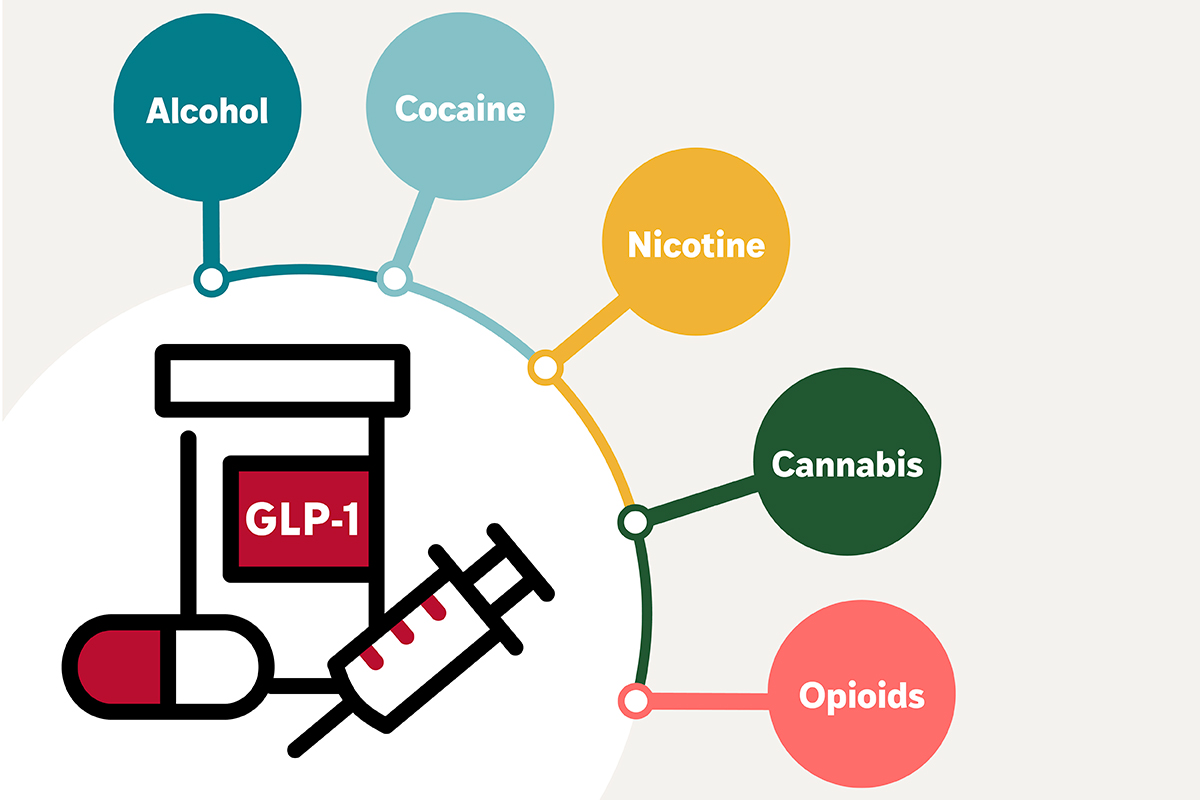
People looking for better opioid addiction treatment are hearing a lot about GLP-1 medications. That attention is not random. These drugs, better known for diabetes and weight loss, may also affect brain pathways tied to craving and reward. That matters now because opioid overdose remains a stubborn public health crisis, and current treatments still leave too many people cycling in and out of care. The idea sounds promising. But is it real, or just another wave of hype wearing a white coat? The early research is worth watching, and the practical questions are getting sharper.
What stands out in GLP-1 medications and opioid addiction
- Researchers are testing whether GLP-1 medications can reduce opioid craving and drug-seeking behavior.
- The evidence is early, so these drugs are not a replacement for methadone, buprenorphine, or naltrexone.
- Safety, dosing, and who benefits most still need more study.
- The strongest use case may be as an add-on, not a stand-alone fix.
Why researchers are looking at GLP-1 medications and opioid addiction
GLP-1 drugs were built for blood sugar control. Some, like semaglutide and liraglutide, also change appetite and reward signaling in the brain. That overlap has led scientists to ask whether they can blunt the pull of opioids in the same way they may affect food cravings.
There is a basic logic here. Opioid addiction is not only about pain relief or willpower. It is about how the brain learns reward, repeats behavior, and reacts to cues. If a medication can soften that reward loop, it could help people stay engaged in treatment longer.
“The question is not whether people need more treatment options. They do. The question is whether GLP-1 drugs can do more than one job without creating new problems.”
What the early evidence actually says
So far, the research is still emerging. Animal studies have suggested GLP-1 receptor agonists may reduce opioid reward and relapse-like behavior. Early human work is more limited, and that is the key point. Limited does not mean useless, but it does mean you should keep both feet on the ground.
Some researchers think these medications may reduce the urge to seek opioids by affecting brain circuits involved in motivation. Others point out that nausea and appetite changes could indirectly affect substance use patterns. That distinction matters. A drug that changes how you feel is not automatically a drug that treats addiction.
Early signals are interesting. They are not proof.
Where GLP-1 medications fit in opioid addiction care
Right now, the standard medications for opioid use disorder remain methadone, buprenorphine, and naltrexone. Those treatments have known roles and real evidence behind them. GLP-1 medications, by contrast, are still being studied as a possible add-on.
Think of it like building a house. You still need the frame before you start thinking about the paint. In addiction care, the frame is medication-assisted treatment, counseling, and harm reduction. A GLP-1 drug, if it proves useful, would likely be another tool in the toolbox, not the toolbox itself.
- First-line care: approved opioid addiction medications and ongoing clinical support.
- Possible future add-on: GLP-1 therapy for people who also struggle with cravings, weight changes, or related metabolic issues.
- Still unknown: which patients would benefit most, and at what stage of recovery.
What are the limits of the GLP-1 medications and opioid addiction research?
The biggest limit is scale. Small studies can hint at a signal, but they cannot settle the case. Researchers still need larger trials that measure opioid use, relapse, retention in care, side effects, and long-term outcomes.
There is also the issue of side effects. GLP-1 medications can cause nausea, vomiting, constipation, and other gastrointestinal problems. For someone already dealing with unstable health, that can be a real barrier (especially if it affects adherence).
And there is another practical question. Would these drugs help people with opioid addiction enough to justify the cost, access hurdles, and insurance fights? That is not a side issue. It is the gate everyone has to walk through.
What this means if you or someone you love is in treatment
If you are in recovery or helping someone who is, the short answer is simple. Do not wait for GLP-1 drugs to become the answer. Use treatments that already work, and keep an eye on research as it develops.
Ask a clinician about current evidence, especially if there is also diabetes, obesity, or metabolic disease in the picture. Those conditions may affect which medication makes sense. And if a treatment sounds too good to be true, ask one more question. That usually tells you more than the sales pitch does.
Where the research could go next
The next wave of studies should answer a few blunt questions. Do GLP-1 medications reduce opioid cravings in humans? Do they help people stay in treatment longer? Do they work better for certain groups, such as patients with both opioid use disorder and type 2 diabetes?
That is the real test. Not headlines. Not internet chatter. Hard outcomes.
For now, GLP-1 medications and opioid addiction is a research story, not a finished treatment story. But if the data keep pointing the same way, addiction medicine may have a new option worth taking seriously. What would that mean for the next generation of recovery care?
This article is for educational purposes only and should not be considered medical advice. Always consult a qualified healthcare provider before making decisions about addiction treatment. If you or someone you know is in crisis, call SAMHSA's National Helpline: 1-800-662-4357 (free, confidential, 24/7).