GLP-1 Drugs and Addiction: What 600,000 Patients Reveal
GLP-1 Drugs and Addiction: What 600,000 Patients Reveal You want treatment options that actually move the needle on addiction. A new analysis of 600,000…
GLP-1 Drugs and Addiction: What 600,000 Patients Reveal
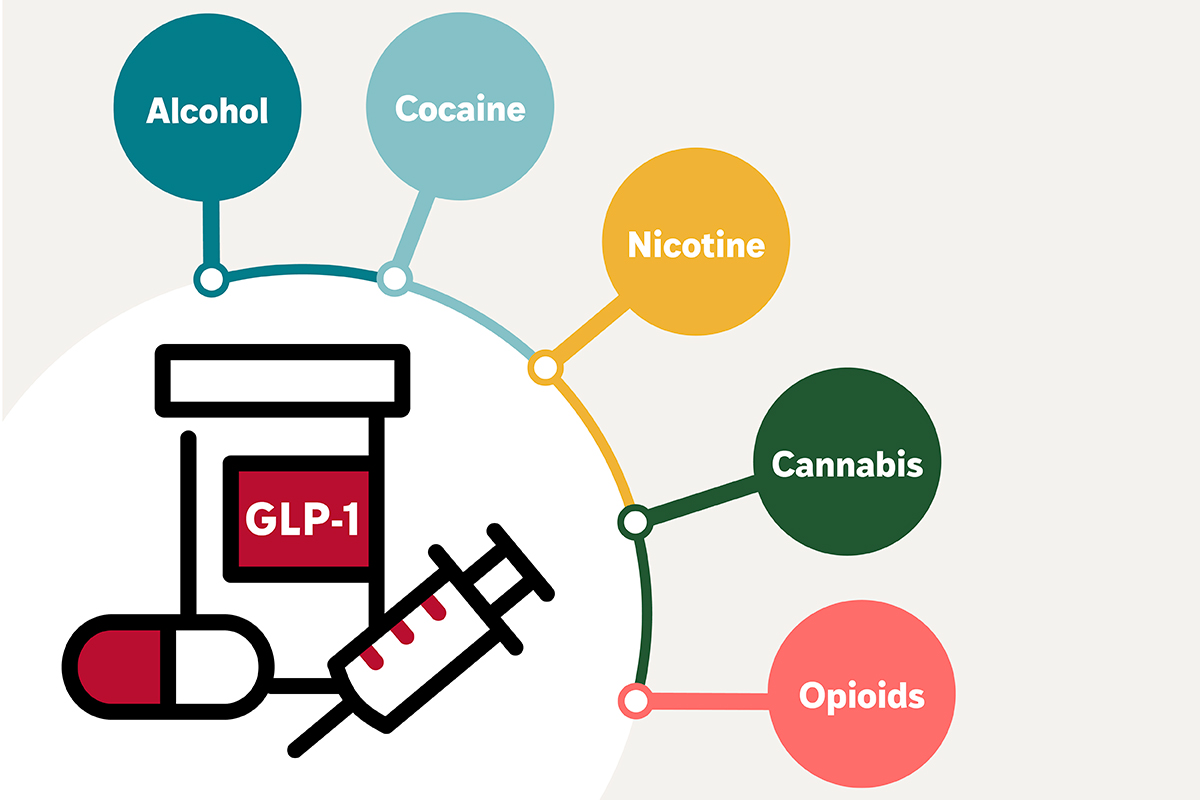
You want treatment options that actually move the needle on addiction. A new analysis of 600,000 patients hints that GLP-1 drugs may lower the pull of alcohol, nicotine, opioids, and even stimulants. That matters because relapse remains stubbornly common and many therapies stall in real-world use. This study, anchored in real health records rather than a narrow trial, suggests GLP-1 drugs addiction treatment could reach people already using these medicines for weight or diabetes. Why care now? Prescriptions for these drugs are exploding, and clinics need to know if they bring a hidden upside for craving control.
Quick hits from the data
- Patients on GLP-1 drugs showed lower odds of alcohol-related visits compared to matched peers.
- Similar drops appeared for nicotine, opioids, cocaine, and methamphetamine encounters.
- Effects emerged across genders and age bands, hinting at broad applicability.
- Signals came from electronic health records, not lab-bound experiments, boosting relevance.
How GLP-1 Drugs Addiction Treatment Could Work
Researchers point to GLP-1 receptors in brain reward circuits. Dampening dopamine spikes might blunt the surge that fuels craving. Think of it like swapping a high-octane fuel line for a narrower one: the engine still runs, but the revs stay lower.
“These medications could cut the reward response tied to substances,” one lead author noted, underscoring the neurochemical angle.
Animal studies back this, showing reduced self-administration of alcohol and nicotine when GLP-1 pathways are activated. Human imaging trials are underway to see if the same circuits light up. The big caveat: correlations from health records do not prove causation. We need randomized trials to settle the question.
One sentence.
Where GLP-1 Drugs Addiction Treatment Fits Today
Clinicians already prescribe semaglutide and liraglutide for type 2 diabetes and obesity. If a patient struggling with alcohol use disorder also meets criteria for metabolic treatment, adding a GLP-1 drug might offer dual benefits. But safety first: nausea and gastrointestinal issues can derail adherence, and cost remains steep.
Look, insurers will want stronger proof before opening reimbursement for addiction indications. But early observational signals can shape pilot programs now. Should a community clinic start screening for metabolic syndrome alongside substance use? That simple step could expand access without new infrastructure.
Practical moves for providers
- Review patient panels for overlap between metabolic risk and substance use, then flag candidates.
- Set up data tracking to monitor substance-related visits before and after GLP-1 starts.
- Pair medications with counseling, since pharmacology without behavior support rarely holds.
Limits of the Evidence and What to Watch
The dataset covers hundreds of thousands, yet it still leaves blind spots. Electronic health records miss unreported use, and confounding factors can mimic treatment effects. And what about long-term outcomes five years out? We lack that view.
Honestly, the analogy here is baseball: a strong first inning does not guarantee a win. We need full nine-inning trials, including placebo arms, to see if the early lead holds. Expect NIH-funded randomized studies to publish in the next two years, and watch for industry-sponsored trials chasing new indications.
Why This Could Shift Addiction Care
If GLP-1 drugs reliably trim cravings, addiction programs gain a new axis beyond dopamine blockers and opioid agonists. That could reframe treatment planning and even prevention strategies in primary care. Could a simple script reduce both HbA1c and ER visits for overdose?
And if not, the data still pushes the field to integrate metabolic screening, which improves overall health regardless of substance use. Either way, the status quo looks shakier.
What Comes Next
Expect tighter guidelines on off-label use, more payers experimenting with value-based contracts, and patient advocates demanding equitable access. The smart move now is to build small, measurable pilots and share results fast.
The next question is whether regulators will accept real-world evidence as a bridge to formal approval, or insist on full trials first.
This article is for educational purposes only and should not be considered medical advice. Always consult a qualified healthcare provider before making decisions about addiction treatment. If you or someone you know is in crisis, call SAMHSA's National Helpline: 1-800-662-4357 (free, confidential, 24/7).