Georgia Drug Policy Reform and Harm Reduction
Georgia Drug Policy Reform and Harm Reduction Georgia drug policy reform matters because the choices made now will shape overdose risk, treatment access, and…
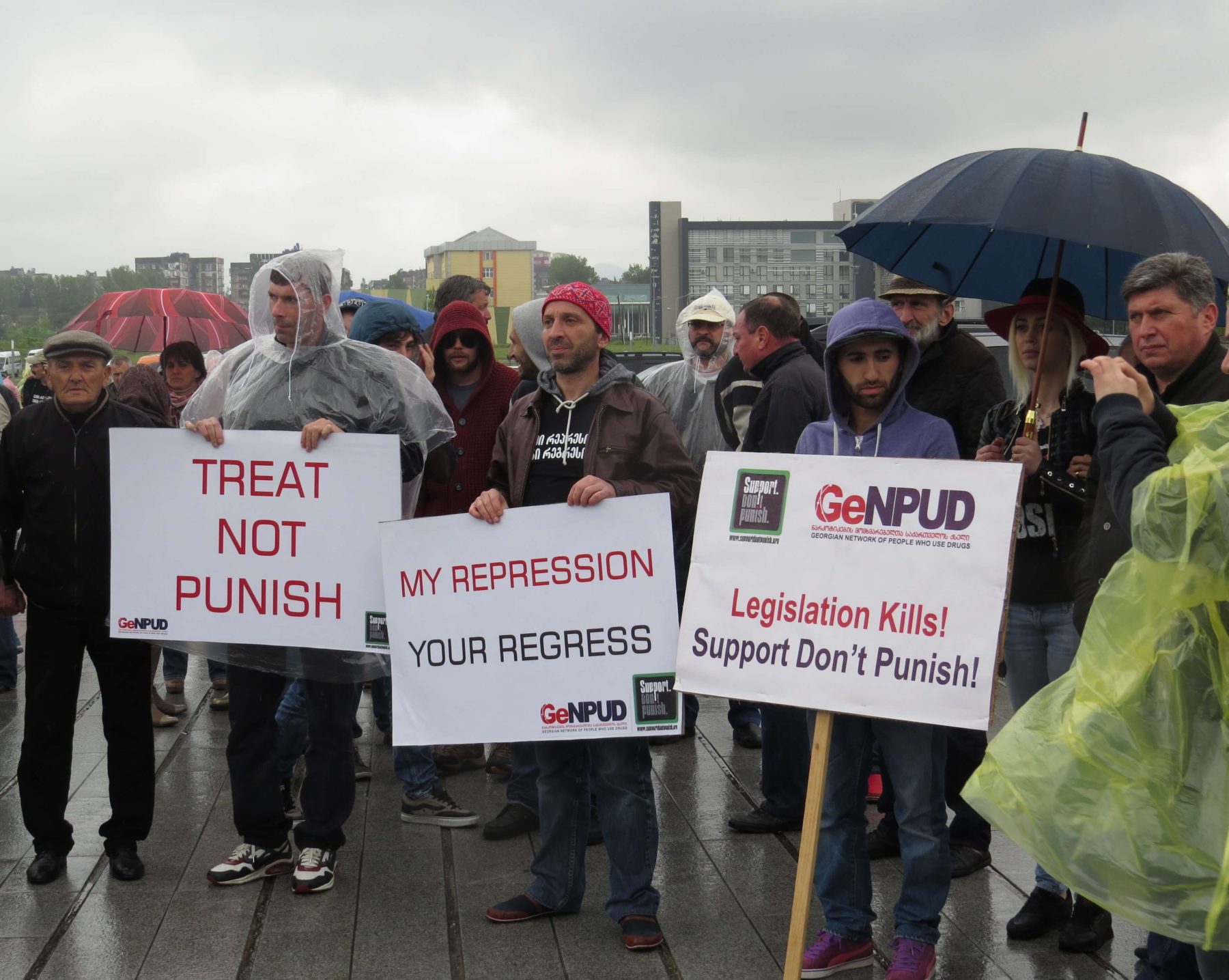
Georgia Drug Policy Reform and Harm Reduction
Georgia drug policy reform matters because the choices made now will shape overdose risk, treatment access, and how police, doctors, and families respond to drug use for years to come. If your work touches public health, recovery, or community safety, you cannot treat this as a legal sideshow. The rules around possession, treatment entry, and harm reduction decide who gets help early and who gets pushed into crisis. That is the real issue. Not rhetoric. Not politics for its own sake. So what should you watch for, and what would real reform look like on the ground?
- Policy details matter more than slogans. Small legal changes can affect arrests, treatment referrals, and overdose response.
- Harm reduction works best when it is easy to reach. Needle exchange, naloxone, and testing services save time and lives.
- Treatment access has to be practical. If the process is too slow or stigmatizing, people will not use it.
- Police and health systems need a clear split in roles. Mixing punishment with care drives people away.
What Georgia drug policy reform is trying to fix
Georgia has spent years balancing enforcement with public health, and that balance has often tilted toward punishment. That creates a familiar pattern. People delay care, families hide the problem, and hospitals see patients only after the situation turns severe.
Reform is supposed to break that cycle. The goal is simple enough: reduce the damage from drug use while making treatment easier to enter. But simple goals can be hard to execute, especially when laws, stigma, and service gaps all pull in different directions.
Why Georgia drug policy reform affects harm reduction directly
Harm reduction is the part of drug policy that deals with reality instead of wishful thinking. It does not ask whether people should use drugs. It asks how to keep them alive and connected to care.
“If the first contact is a handcuff, you lose the chance to offer a needle exchange, naloxone, or a treatment referral.”
That is why Georgia drug policy reform and harm reduction belong in the same conversation. If possession laws or police practice make people fear contact with services, the public health response weakens fast. Think of it like building a bridge with one missing beam. It may look finished from a distance, but it will not carry the weight.
What works in practice
- Naloxone access. More community distribution means more overdose reversals.
- Syringe services. These reduce the spread of HIV and hepatitis C and create contact points for care.
- Drug checking. When fentanyl or other contaminants are present, testing can prevent deaths.
- Low-barrier referral systems. People should not need three appointments and a stack of papers to get help.
Where policy usually breaks down
The gap is rarely about ideas. It is about execution. A law can promise reform, yet clinics still have long waits, rural communities still have few services, and providers still lack training on substance use disorder.
And that is before you get to stigma. Many people still hear one message from society: hide the problem until it becomes impossible to hide. That message is expensive. It drives up emergency care, deepens family stress, and keeps people out of treatment.
One more problem. Data collection is often weak. Without clear numbers on overdoses, treatment retention, and service use, officials end up arguing from instinct instead of evidence.
What families should watch for
If you are supporting someone who uses drugs, policy changes can sound abstract. But they hit home quickly. A new referral pathway, a local naloxone program, or a change in police practice can change how fast your loved one gets help.
Ask three questions:
- Can my local clinic actually start someone quickly?
- Are naloxone and syringe services easy to find?
- Do people fear arrest when they seek care?
Those answers tell you whether reform is real or just paperwork. Honestly, a policy that looks polished on paper but fails at the front desk is like a restaurant with a glossy menu and no kitchen. What good is it?
What good reform should include next
Georgia drug policy reform should keep moving toward a model that treats substance use as a health issue first. That means clear pathways into care, stronger harm reduction, and better coordination between public health officials and law enforcement. It also means funding services where people live, not only in major cities.
The next step is not more noise. It is better access, better data, and fewer barriers. If policymakers want fewer overdoses and fewer lives derailed by drug use, they should measure what people can actually reach, not what looks good in a press release.
Look closely at the next budget, the next clinic rollout, and the next police directive. That is where the future of Georgia drug policy reform will be decided, not in slogans.
This article is for educational purposes only and should not be considered medical advice. Always consult a qualified healthcare provider before making decisions about addiction treatment. If you or someone you know is in crisis, call SAMHSA's National Helpline: 1-800-662-4357 (free, confidential, 24/7).