Why Transparency Around the Gelman Collection Loans Matters Now
Why Transparency Around the Gelman Collection Loans Matters Now Museums in Mexico and Spain are wrestling with a basic question: who gets to see and steward…
Why Transparency Around the Gelman Collection Loans Matters Now
Museums in Mexico and Spain are wrestling with a basic question: who gets to see and steward the Gelman Collection as it moves between institutions and private lenders. The debate hits at a sensitive moment for Latin American art, with collectors and banks negotiating visibility while the public asks for clarity. The Gelman Collection transparency issue puts loan terms, conservation duties, and public access on the line. You want to know whether these paintings will hang in view or disappear behind closed doors. And you deserve straight answers before the next shipment rolls out.
What to Watch Right Now
- Institutions on both sides of the Atlantic are trading open letters that press for disclosure of loan terms.
- Conservation experts question travel frequency and insurance coverage for marquee works.
- Visitors risk losing access if private lenders keep details opaque.
- Government cultural agencies face pressure to publish agreements before approval.
How the Gelman Collection Transparency Fight Escalated
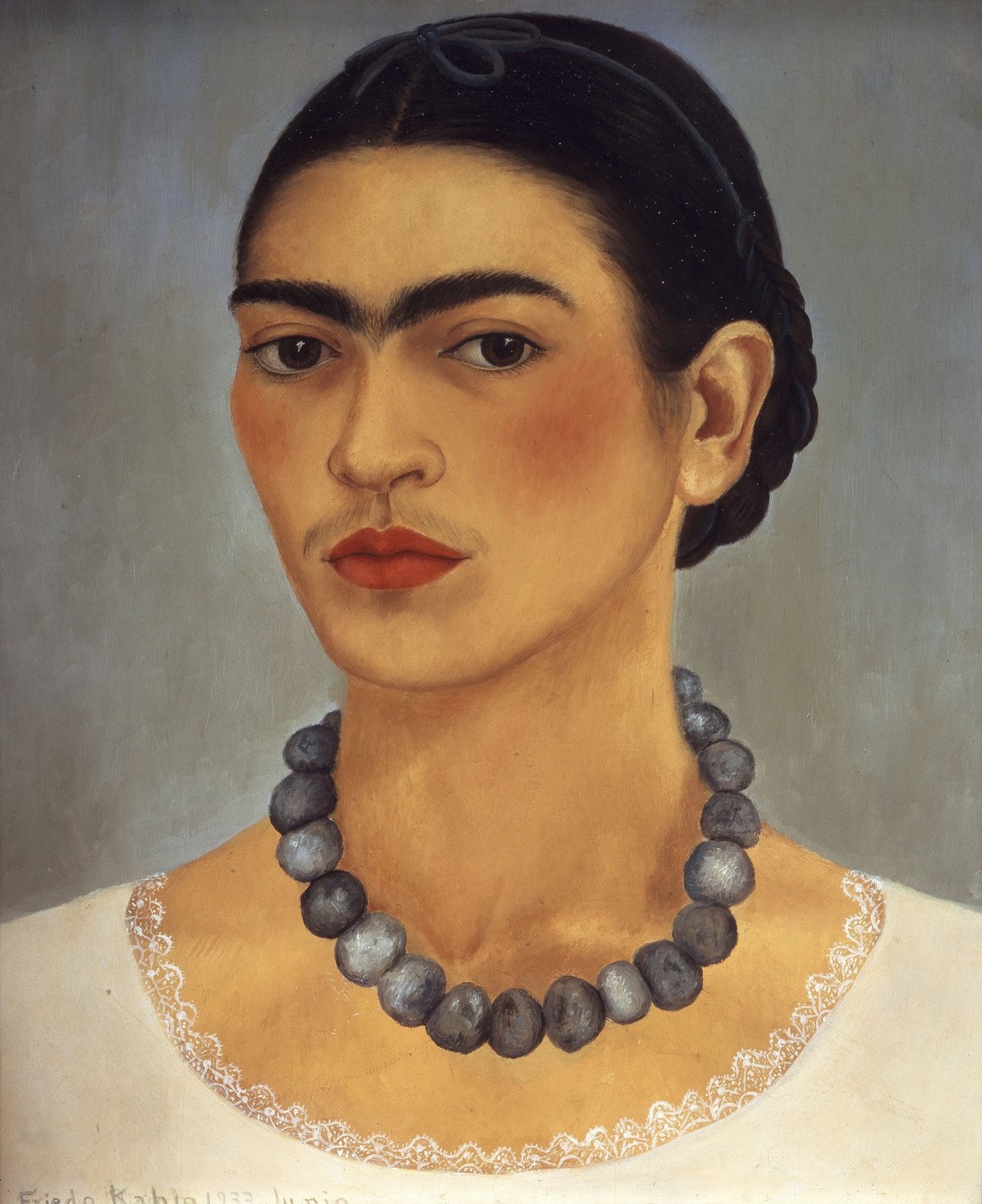
The Gelman Collection, anchored by works from artists like Diego Rivera and Frida Kahlo, has been the subject of sharp exchanges between Mexico-based advocates and Spanish lenders. Open letters surfaced after reports that Santander-linked holdings were set to travel without public disclosure. That sparked concerns that the public would fund security and transport while remaining in the dark about exhibition schedules. One single step triggered the uproar.
Access to heritage is not a favor. It is a public right that needs daylight.
As a reporter who has tracked museum deals for years, I have seen similar standoffs around traveling shows. But this one carries extra weight because it involves national icons and bank-owned art treated like private equity.
Who Controls Access and Why It Matters
Control over the Gelman Collection travels rests with a tangle of stakeholders: lenders tied to Santander, Mexican cultural agencies, and host museums. Each claims to protect the art. The public sees only the outcome. When agreements stay sealed, citizens cannot judge whether exhibition schedules justify the cost of shipping and insurance. Have you ever tried to plan a visit around a blockbuster show only to find the dates shifted?
Transparency would surface three basics: where the works will be displayed, for how long, and under what conservation safeguards. Without that, speculation fills the gap. The result mirrors a stadium lease negotiated in secret where fans find out after ticket prices jump.
Practical Ways to Push for Gelman Collection Transparency
- Publish loan agreements before transit: Redact true security details, but release dates, venues, and display duration. This keeps the public informed without raising risk.
- Set conservation thresholds: Limit the number of international trips per year and mandate rest periods. Borrow the practice from sports where star players sit to prevent injury.
- Require public access minimums: Tie tax exemptions or subsidies to a defined number of open days and hours.
- Track provenance and condition updates: Museums can post short condition reports after each travel leg to reassure visitors and scholars.
- Create an oversight ledger: A simple, regularly updated web page (even a shared spreadsheet) that logs movements and exhibition dates.
Look, none of these steps are exotic. They mirror the way leagues publish schedules and injury lists so fans know who will play. Art deserves the same candor.
Main Risks If Silence Wins
Ongoing opacity around the Gelman Collection loans could trigger public backlash and legal challenges. Conservation risk climbs with every untracked shipment. Financially, hidden insurance terms may shift costs onto taxpayers. Ethically, it signals that cultural heritage can be tucked away for private gain. And that is a precedent no one wants to normalize.
Lessons From Other Cross-Border Loans
The Louvre Abu Dhabi agreements, though contentious, include public exhibition calendars and clear loan durations. The British Museum faced similar calls to disclose terms for the Parthenon Marbles discussions. Those cases show that disclosure can coexist with security. The Gelman Collection transparency push follows the same logic, demanding daylight without compromising safety.
Honestly, the sports stadium analogy fits: cities now require teams to publish community benefits before approving public financing. Why should art loans get a softer test?
How to Keep the Pressure On
Citizens and visitors can act without waiting for another open letter.
- Ask host museums to post exhibition dates and loan partners on-site and online.
- Contact cultural ministries to request publication of loan terms prior to approval.
- Support journalism that tracks shipment timelines and conservation issues.
- Attend public forums and ask who carries the insurance bill and why.
One sentence to remember: transparency is the price of public trust.
Reality Check for Institutions
Museums worry that sharing details invites theft or litigation. That fear is real, but partial disclosure solves it. Release schedules, not crate numbers. Share insurance coverage ranges, not security routes. Institutions also fear that public scrutiny will slow deals. That slowdown can surface weak terms before they become expensive mistakes. Better a pause now than a scandal later.
Where the Gelman Collection Transparency Fight Goes Next
Expect more letters and possibly court filings if agreements stay sealed. Spain and Mexico both have cultural heritage laws that support public interest arguments. Activists may push for freedom of information requests. Lenders might respond with curated press releases, but sustained questions will set the bar. The real test arrives when the next loan contract comes up for review.
Closing Shot
Will the Gelman Collection keep moving in near silence or become a model of open cultural exchange? The answer depends on how hard the public presses for daylight and how quickly institutions adapt. Stay loud.
This article is for educational purposes only and should not be considered medical advice. Always consult a qualified healthcare provider before making decisions about addiction treatment. If you or someone you know is in crisis, call SAMHSA's National Helpline: 1-800-662-4357 (free, confidential, 24/7).