Franklin County Opioid Crisis: What Families Need to Know
Franklin County Opioid Crisis: What Families Need to Know The Franklin County opioid crisis is still shaping daily life for families, schools, first…
Franklin County Opioid Crisis: What Families Need to Know
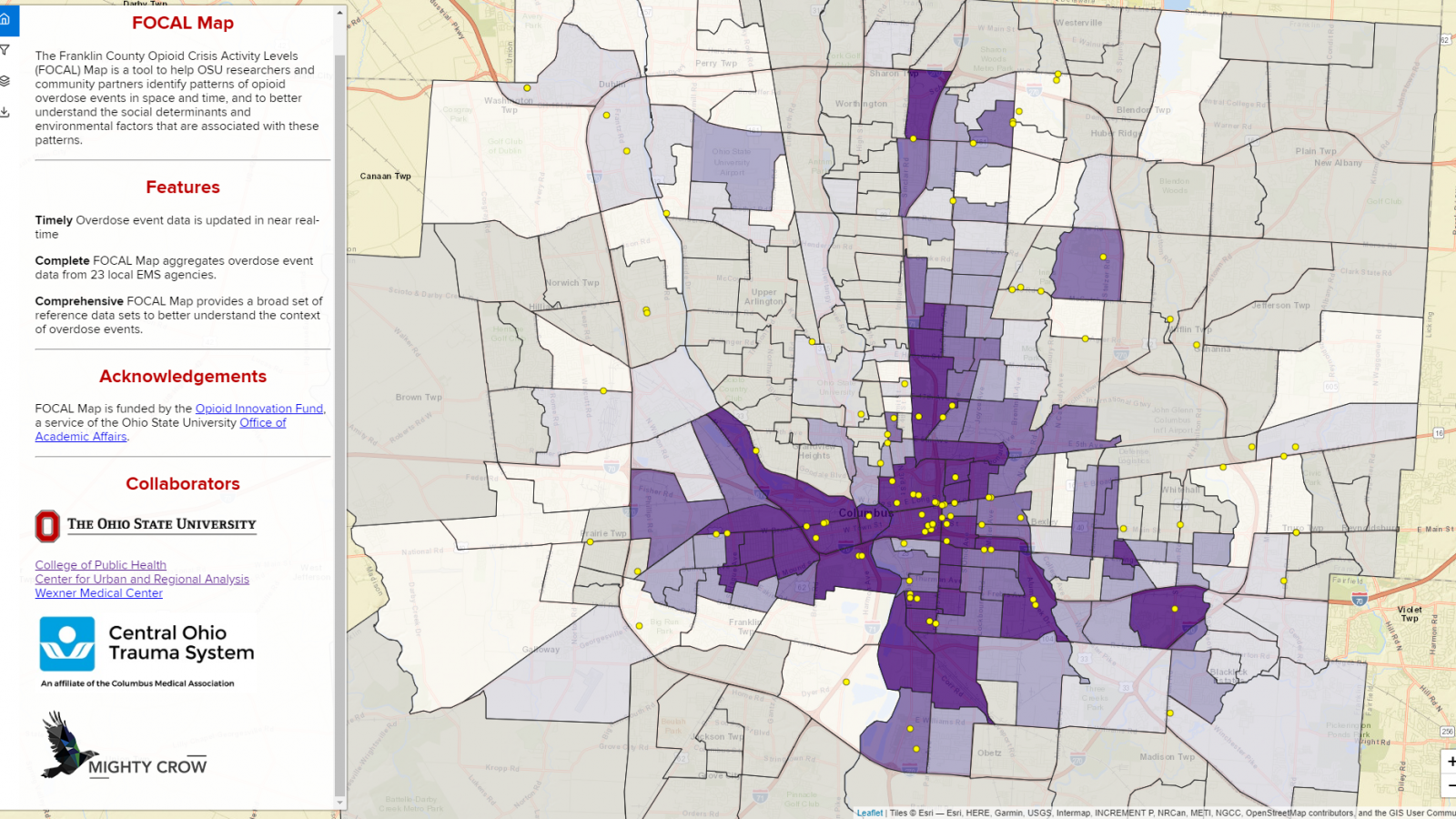
The Franklin County opioid crisis is still shaping daily life for families, schools, first responders, and local health providers. If you live there, you already know the strain is not abstract. It shows up in overdoses, strained budgets, missed work, and parents who do not know what to say when a loved one keeps disappearing for days.
That is why timing matters now. Fentanyl is still driving overdose deaths across Massachusetts and the U.S., and local systems are under pressure to respond fast. The good news is that you do have options. You can reduce risk, push for treatment, and make a plan before a crisis gets worse.
What stands out about the Franklin County opioid crisis
- Fentanyl changes the risk level. A pill or bag of powder can be far stronger than a person expects.
- Overdose response has to be immediate. Seconds matter, and naloxone should be easy to reach.
- Treatment works best when it is low-friction. Same-day care beats long waits.
- Families need plain facts. Confusion delays action.
Look, the Franklin County opioid crisis is not only about illegal drugs. It is also about pain, stress, trauma, housing instability, and isolation. The County Health Rankings and Roadmaps model has long shown that health outcomes track with social conditions, and that pattern is hard to ignore here.
How the Franklin County opioid crisis affects families
When one person in a household is using opioids, everyone feels it. Money gets tight. Trust breaks down. Kids pick up tension before adults say a word. And if there is also alcohol, methamphetamine, or benzodiazepine use in the picture, the risk climbs fast because mixed substances can slow breathing even more.
What should you watch for? Sudden sleepiness, pinpoint pupils, slowed breathing, missing valuables, new friends who appear and disappear, and repeated stories that do not line up. None of these signs prove opioid use by themselves. But together, they are a reason to act.
If you think someone may be using opioids, do not wait for a dramatic collapse. Ask direct questions, keep naloxone nearby, and make a plan before the next use.
What you can do right now
- Get naloxone. Carry it. Keep it at home. Teach other adults where it is stored.
- Learn overdose signs. Unresponsiveness, slow or stopped breathing, blue lips, and gurgling are emergency signals.
- Call 911 during an overdose. Naloxone can wear off before the opioid does.
- Ask about medication for opioid use disorder. Buprenorphine and methadone are backed by strong evidence and can lower overdose risk.
- Choose one support contact. A doctor, counselor, recovery coach, or harm reduction program can help you move faster.
Here is the thing. A family crisis plan should be as simple as a fire escape route. You hope you never use it, but you do not want to improvise when smoke is already in the room.
How treatment fits into the Franklin County opioid crisis
Medication for opioid use disorder is the main event, not a side note. The National Institute on Drug Abuse and the Substance Abuse and Mental Health Services Administration both support buprenorphine and methadone as first-line treatment options. These medicines reduce withdrawal, blunt cravings, and lower the odds of death.
That matters because treatment has to match the person in front of you. Some people need outpatient care with counseling. Some need inpatient stabilization. Others need a bridge from the emergency department to ongoing medication. If the first door is closed, look for the next one. Fast.
Questions to ask a local provider
- Do you start buprenorphine quickly?
- Can I get same-day or next-day care?
- Do you help with insurance or transportation?
- What happens if I miss an appointment?
Why do so many systems still make people wait? Because treatment access often depends on staffing, funding, and local coordination. That is a policy problem, but it becomes a family problem the minute someone is turned away.
Where harm reduction fits
Harm reduction gets criticized by people who want a neat story. Real life is messier. Syringe service programs, fentanyl test strips where legal, naloxone distribution, and wound care can keep people alive long enough to enter treatment. That is not a soft approach. It is a practical one.
Think of it like restaurant kitchen safety. You still want the full meal, but you also want clean knives, working extinguishers, and a prep station that does not catch fire. The basics matter because the basics prevent disaster.
What Franklin County leaders should keep doing
Local leaders need more than slogans. They need transportation to care, stable funding for outreach, youth prevention that does not sound fake, and better links between hospitals, jails, schools, and community programs. When those systems talk to each other, people fall through fewer cracks.
Families should ask for three things: easier access to naloxone, faster entry into medication treatment, and honest public reporting on overdose trends. Data should guide decisions, not press releases. If the numbers show a spike, response should follow quickly, not months later.
What to watch next
The Franklin County opioid crisis will keep changing as drug supply patterns shift. That means the old playbook is not enough. You need updated information, local contacts, and a habit of checking in before someone disappears.
And if you are waiting for the “right time” to start a conversation, what are you waiting for exactly? A safer moment may not arrive on its own.
This article is for educational purposes only and should not be considered medical advice. Always consult a qualified healthcare provider before making decisions about addiction treatment. If you or someone you know is in crisis, call SAMHSA's National Helpline: 1-800-662-4357 (free, confidential, 24/7).