Franklin County Addiction Recovery Awareness Events
Franklin County Addiction Recovery Awareness Events If addiction has touched your home, you already know the hard part is often finding the next right step.…
Franklin County Addiction Recovery Awareness Events
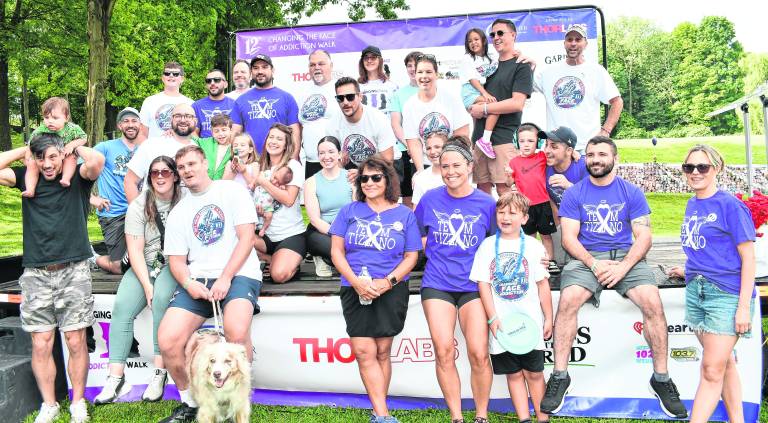
If addiction has touched your home, you already know the hard part is often finding the next right step. The Franklin County addiction recovery awareness campaign matters because public events can turn private fear into practical help. According to The Record Herald, local organizers are using community gatherings to raise awareness, connect residents with resources, and put recovery in plain view. That visibility is not a small thing. People are more likely to seek help when they see neighbors, providers, families, and local leaders treating substance use disorder as a health issue rather than a moral failure. And yes, awareness alone will not fix the overdose crisis. But it can make the first conversation easier, which is where many recoveries begin.
What Stands Out
- Local events reduce isolation. They give people a low-pressure way to ask questions before they are ready for treatment.
- Families need support too. Addiction changes the whole household, not only the person using drugs or alcohol.
- Recovery is visible in Franklin County. Public campaigns help challenge the old habit of hiding substance use problems.
- Small actions count. Showing up, sharing resources, and learning overdose response can all matter.
Why Franklin County Addiction Recovery Awareness Matters Now
Recovery campaigns can sound soft until you have covered enough overdoses, court dockets, and grieving families to know better. Public awareness helps people identify treatment options, peer support, harm reduction tools, and family education before a crisis gets worse.
The Record Herald’s coverage points to a local push built around events and community participation. That matters because addiction is often handled in fragments, with one person calling a clinic, another calling a probation officer, and a parent searching online at midnight.
Recovery does not spread through slogans alone. It spreads when a county makes help easier to find and shame harder to sustain.
Think of the campaign like a well-run community kitchen during a dinner rush. Treatment providers, peer specialists, families, churches, public health workers, and volunteers each have a station, and the meal only reaches the table when everyone does their part.
What You Can Do at Franklin County Addiction Recovery Awareness Events
Do not treat these events as symbolic gatherings. If you go, use the time to collect names, phone numbers, meeting schedules, and practical next steps you can use later (especially if stress makes it hard to think clearly).
- Ask about local treatment access. Find out who offers assessments, detox referrals, outpatient care, medication-assisted treatment, and counseling.
- Look for peer support. People with lived experience often know the real barriers, including transportation, fear, relapse, and family conflict.
- Bring questions for your family. Ask how to support someone without covering up harmful behavior or draining your own health.
- Learn overdose response. Ask about naloxone availability, fentanyl test strip rules in your area, and emergency steps.
- Save contacts before you need them. A phone number in your contacts is more useful than a flyer lost in a drawer.
How Franklin County Addiction Recovery Awareness Helps Families
Families often carry the quiet load. They pay bills, answer late-night calls, watch for signs of relapse, and wonder whether they are helping or enabling.
Good awareness events should make room for those questions without shaming anyone. The best family support is practical, with clear boundaries, education about substance use disorder, and honest talk about safety at home.
Stigma keeps people sick.
That line may sound blunt, but I have seen it play out for years as a reporter. People delay care because they fear being judged by employers, relatives, landlords, or even health workers, and that delay can turn a treatable condition into an emergency.
Questions Families Should Ask
- What treatment options exist in or near Franklin County?
- Who can help if my loved one wants treatment today?
- Are there support groups for parents, partners, or siblings?
- How do we make a safety plan if relapse happens?
- What should we do after an overdose or hospitalization?
The Hard Truth About Awareness Campaigns
Look, a campaign can become a feel-good photo op if it does not connect people to care. I have watched plenty of public health efforts fade after the banners came down, which is why follow-through is non-negotiable.
What should residents expect from a serious effort? Clear referral pathways, current resource lists, peer involvement, youth prevention work, and repeated outreach after the event ends.
Public health groups, recovery organizations, and local media each play a role here. The Record Herald’s reporting gives the campaign visibility, but the real test is whether someone in crisis can find help faster next week than they could last week.
How to Support Recovery Without Making It About You
There is a fine line between support and performance. If you want to help, start with useful action rather than grand statements.
- Share verified local resources. Avoid rumor-based advice about treatment beds, costs, or program rules.
- Use plain language. Say “person in recovery” or “person with substance use disorder” instead of labels that reduce someone to drug use.
- Offer specific help. A ride to an appointment beats a vague “call me if you need anything.”
- Respect privacy. Someone else’s recovery story is not yours to post.
- Support recovery-friendly workplaces. Flexible scheduling for treatment and meetings can keep people employed.
What if you are the person who needs help? Start small. Talk to one trusted person, attend one event, call one provider, or ask one peer specialist what your options are.
Where Franklin County Goes From Here
The strongest recovery communities do not wait for one awareness month or one public event. They build steady habits, including overdose education, fast referrals, family support, youth prevention, and respect for people rebuilding their lives.
Franklin County has a chance to make recovery more visible and more reachable. The next step is simple: attend, ask hard questions, save the resources, and make sure the conversation does not end when the event calendar does.
This article is for educational purposes only and should not be considered medical advice. Always consult a qualified healthcare provider before making decisions about addiction treatment. If you or someone you know is in crisis, call SAMHSA's National Helpline: 1-800-662-4357 (free, confidential, 24/7).