FIU Personalized Cancer Treatment Program Gets $2 Million Boost
FIU Personalized Cancer Treatment Program Gets $2 Million Boost Cancer care keeps moving toward one simple idea. Your treatment should fit your tumor, not a…
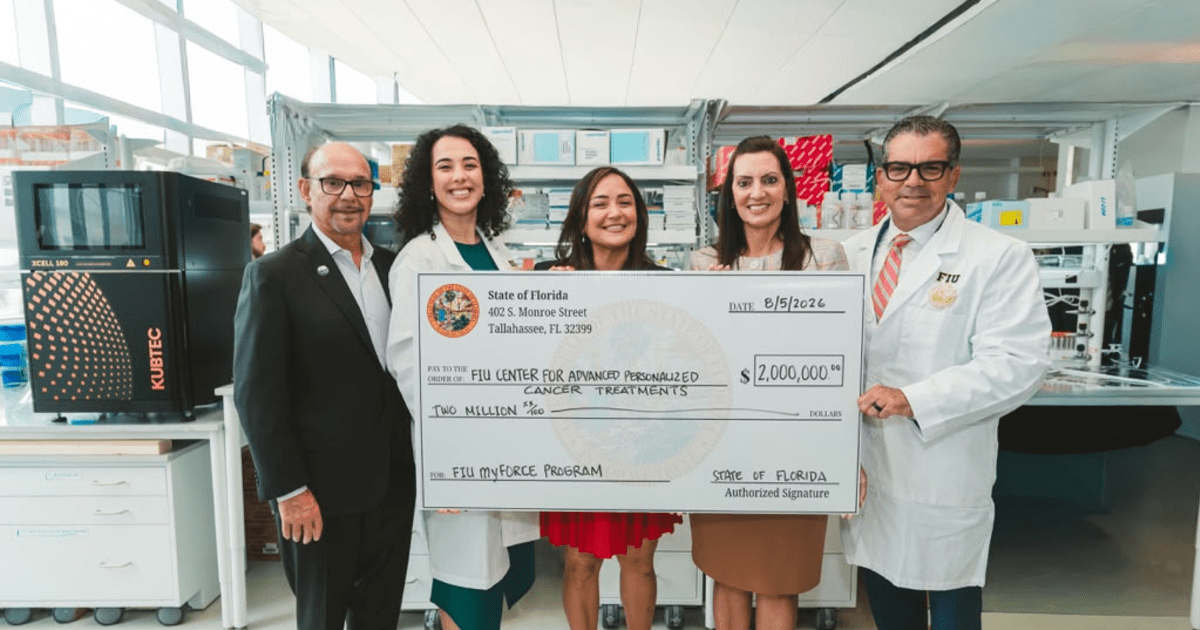
FIU Personalized Cancer Treatment Program Gets $2 Million Boost
Cancer care keeps moving toward one simple idea. Your treatment should fit your tumor, not a generic playbook. That is why the latest state investment in FIU’s personalized cancer treatment program matters now. The $2 million funding push gives researchers and clinicians more room to build tools that match therapy to a patient’s specific cancer biology. For people facing a diagnosis, that can mean better targeting, fewer dead-end treatments, and faster decisions. It also signals something broader. Florida is betting that precision medicine is no longer a niche experiment. It is becoming part of the main path forward for care. And if you have followed oncology for any length of time, you know that shift is seismic.
What stands out about the FIU personalized cancer treatment program
- $2 million in state support will help expand FIU’s work in personalized cancer treatment.
- The program focuses on precision oncology, which uses tumor data to guide care.
- More funding can support research, clinical collaboration, and patient access.
- The move fits a wider trend in cancer care toward treatment choices based on molecular evidence.
- It may also help FIU strengthen partnerships across South Florida’s medical network.
Why the FIU personalized cancer treatment program matters to patients
Personalized cancer treatment is not a buzzword. It is a practical response to a hard truth. Two people can have the same cancer type and still respond very differently to the same drug. Why keep using a one-size-fits-all approach when tumor genetics can point to a better path?
That is the promise here. Doctors can use biomarkers, sequencing, and other lab data to decide which therapy is more likely to work. They can also avoid treatments that may cause harm without real benefit. Think of it like building a house. You would not use the same blueprint for every lot, every slope, or every weather pattern. Cancer care is no different.
Personalized cancer treatment works best when research, testing, and clinical care move together. That is where programs like FIU’s can make a real difference.
What the state funding can actually support
Money alone does not fix cancer care, but it does open doors. New funding can help a program hire staff, expand lab capacity, support data analysis, and connect more patients to advanced testing. It can also help researchers move promising ideas out of the lab and into clinic-ready tools.
Likely areas of impact
- Research expansion. More samples, more data, and better study design.
- Clinical translation. Faster movement from findings to treatment planning.
- Patient access. More opportunities for people to benefit from precision testing.
- Training. Better preparation for students and clinicians who will use these tools.
That mix matters. A cancer program can have excellent science and still fail patients if the results never reach the clinic. The best programs close that gap.
Why Florida is backing precision oncology now
State investment usually follows a mix of public health need and economic logic. Cancer remains one of the biggest disease burdens in the country, and Florida has a large, aging population that faces rising cancer risk. Funding a program like this can help the state build medical expertise while improving care options for residents.
It also helps anchor talent. Researchers want stable support. So do clinicians who want to test new methods and see real-world results. If Florida wants to stay competitive in biomedical research, these are the kinds of bets that matter.
What patients and families should ask about personalized cancer treatment
If you or someone close to you is dealing with cancer, precision care should not feel out of reach. It should feel like part of the conversation. Ask whether tumor testing is appropriate. Ask which biomarkers matter for that cancer type. Ask how the team uses genomic data to choose treatment.
One more thing. Ask how results will change the plan. If testing does not change decisions, it may not be enough. That is the real test of any personalized cancer treatment program.
Here are a few practical questions to bring to an oncology visit:
- What tests do you recommend for this cancer?
- Will molecular results change treatment options?
- Are there clinical trials that fit my case?
- How quickly will testing results come back?
- Who explains the findings to us in plain language?
Look, cancer care already asks people to make too many decisions under pressure. Better testing should reduce confusion, not add to it.
What to watch next for the FIU personalized cancer treatment program
The important question is not just whether FIU got funding. It is what happens next. Will the program publish new findings? Will more patients gain access to targeted testing? Will the work lead to treatment changes that doctors can actually use?
If the answers are yes, the $2 million will look less like a grant and more like a hinge point. That is the promise of precision oncology. Not hype. Not magic. Just better odds, grounded in better evidence. And honestly, that is the standard cancer care should keep chasing.
This article is for educational purposes only and should not be considered medical advice. Always consult a qualified healthcare provider before making decisions about addiction treatment. If you or someone you know is in crisis, call SAMHSA's National Helpline: 1-800-662-4357 (free, confidential, 24/7).