Fentanyl Overdose Prevention: What Families Can Do Now
Fentanyl Overdose Prevention: What Families Can Do Now You may not know whether fentanyl is in your home, your school, or your social circle until something…
Fentanyl Overdose Prevention: What Families Can Do Now
You may not know whether fentanyl is in your home, your school, or your social circle until something goes wrong. That is why fentanyl overdose prevention has become a kitchen-table issue, not only a public health slogan. Local reporting from KNSI Radio keeps the focus on a hard truth: synthetic opioids can turn one pill, one powder, or one relapse into a medical emergency within minutes. The drug supply is unpredictable, and counterfeit pills often look like common prescriptions. Families need clear steps, not panic. You need to know what naloxone does, how an overdose looks, and how to talk about risk without pushing someone into silence. So what can you do before the ambulance is needed?
What Matters Most Right Now
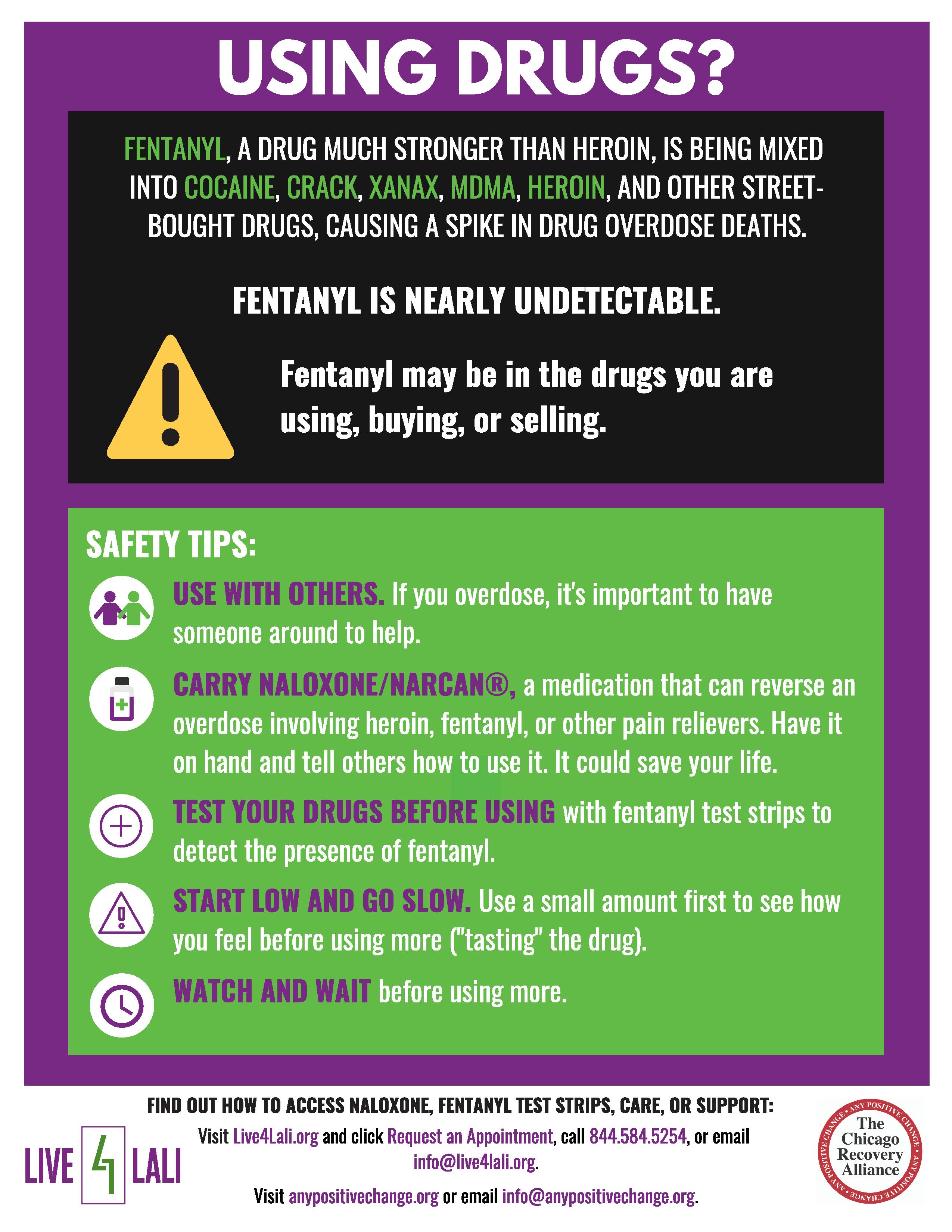
- Naloxone should be easy to find in homes, cars, dorms, and workplaces where opioid risk exists.
- Counterfeit pills can contain fentanyl even when they look like oxycodone, Xanax, or Adderall.
- Overdose signs include slow breathing, blue lips, limp body, choking sounds, and no response to voice or touch.
- Calling 911 still matters after naloxone because fentanyl can outlast the medication.
- Calm, specific conversations work better than threats or lectures.
Fentanyl Overdose Prevention Starts With Naloxone
Naloxone, often sold as Narcan, can reverse an opioid overdose by blocking opioid receptors in the brain. It is not a cure, and it does not replace emergency care, but it buys time. That time can be the difference between a rescue and a funeral.
The Centers for Disease Control and Prevention says naloxone is safe to give even if you are not sure opioids caused the emergency. If the person is not overdosing on opioids, naloxone will not help, but it is unlikely to harm them. That makes hesitation the bigger danger.
If someone is unresponsive and breathing slowly, treat it like an overdose first. You can sort out the details later.
Keep naloxone where people can reach it quickly. A locked medicine cabinet may feel tidy, but it is a bad place for an emergency tool. Think of it like a fire extinguisher in a kitchen. It only helps if someone can grab it fast.
How to use nasal naloxone
- Try to wake the person by shouting their name and rubbing your knuckles hard on the center of their chest.
- Call 911, or tell someone else to call.
- Place the naloxone nozzle in one nostril and press the plunger.
- Start rescue breathing or CPR if you are trained and the person is not breathing normally.
- Give a second dose after 2 to 3 minutes if there is no response.
- Stay until emergency responders arrive.
Do not assume one dose is enough. Fentanyl and other synthetic opioids can be potent, and some overdoses need more than one naloxone dose. And yes, the person may wake up confused, angry, or sick. That does not mean you did anything wrong.
Fentanyl Overdose Prevention Means Understanding the Drug Supply
Fentanyl is strong, cheap to make, and often mixed into other drugs without the buyer knowing. The Drug Enforcement Administration has warned for years about counterfeit pills made to look like prescription medications. The person taking the pill may think they are using something familiar.
That false confidence is dangerous. A pill pressed in an illegal lab does not come with quality control. One tablet may contain little fentanyl, while the next may contain a lethal amount.
Assume any non-prescribed pill is suspect.
This is where families often struggle. You may want to believe a teen, partner, or sibling would never use opioids. But fentanyl risk is not limited to people with a long history of heroin use. It can show up in pills bought through social media, party drugs, cocaine, methamphetamine, or powders shared among friends.
Practical risk-reduction steps
- Do not take pills unless they came from a licensed pharmacy and were prescribed to you.
- Use fentanyl test strips where they are legal and available, while knowing they do not make drug use safe.
- Never use alone if opioid exposure is possible.
- Start with a very small amount if someone is going to use despite the risk.
- Keep naloxone visible and tell others where it is.
- Avoid mixing opioids with alcohol, benzodiazepines, or sleep medications.
Some readers hate this kind of advice because it sounds like permission. I get the discomfort. But harm reduction is not approval. It is the seat belt in a car you wish your kid was not driving so fast.
How to Spot an Overdose Before It Is Too Late
An opioid overdose can look like deep sleep at first. That is one reason people wait too long. Look for breathing, skin color, and response.
Common overdose signs include slow or stopped breathing, gurgling sounds, blue or gray lips, pale or clammy skin, and a limp body. The person may not wake up when you shout, shake them, or press firmly on their chest. If you are debating whether to act, act.
Do not put the person in a cold shower. Do not try to make them vomit. Do not slap them for several minutes while hoping they snap out of it. Give naloxone and call 911.
What Families Should Say Before There Is a Crisis
The best overdose response starts before anyone collapses. You need a conversation that leaves the door open. That means fewer speeches and more direct questions.
Try this: I am not here to trap you. I want to know what you are seeing and what would help you stay alive. That line is not soft. It is strategic.
- Ask if they have seen counterfeit pills at school, work, or parties.
- Ask if they know where naloxone is kept.
- Ask whether they would call for help if a friend overdosed.
- Ask what would make it easier to be honest with you.
If someone is already using opioids, push for medical support. Medications for opioid use disorder, including buprenorphine and methadone, reduce overdose risk and help people stay in treatment. The National Institute on Drug Abuse and other federal health agencies recognize these medications as evidence-based care.
Fentanyl Overdose Prevention Also Needs Community Muscle
Families cannot fix the fentanyl crisis alone. Schools, workplaces, shelters, jails, clinics, and bars all have a role. If people gather there, naloxone should be there too.
Local health departments can train staff, stock naloxone, and share current overdose data. Pharmacies can help people buy or request naloxone without shame. Faith groups and youth sports programs can host short trainings that teach recognition and response in plain English.
The goal is not to turn everyone into a paramedic. The goal is to make the first five minutes less deadly.
Here is the thing. Communities often wait for a high-profile tragedy before they act. That is backward. Overdose preparation should feel as normal as CPR training or having an AED on the wall.
What to Do This Week
Start small, but do it now. Buy or request naloxone. Put it somewhere visible. Tell your family where it is, and check the expiration date twice a year.
Then have one honest conversation with the person you are worried about. Keep it short. Ask what they know about fentanyl, and listen longer than you talk.
If there is active opioid use, contact a local treatment provider, primary care doctor, or county public health office and ask about medication treatment. If there is immediate danger, call 911. The next smart move is the one you take before panic takes over.
This article is for educational purposes only and should not be considered medical advice. Always consult a qualified healthcare provider before making decisions about addiction treatment. If you or someone you know is in crisis, call SAMHSA's National Helpline: 1-800-662-4357 (free, confidential, 24/7).