Fentanyl Harm Reduction in Tucson: What Families Need to Know
Fentanyl Harm Reduction in Tucson: What Families Need to Know If you are worried about someone using drugs in Tucson, you do not need more panic. You need a…
Fentanyl Harm Reduction in Tucson: What Families Need to Know
If you are worried about someone using drugs in Tucson, you do not need more panic. You need a plan. Fentanyl harm reduction gives you one, with plain steps that can lower overdose risk while you figure out the next move. That matters now because fentanyl shows up in pills, powder, and mixtures people do not expect, and one mistake can turn deadly in minutes.
Families often get stuck between denial and fear. They want to help, but they do not know what help looks like. Should you push for treatment? Keep naloxone nearby? Talk about test strips? Yes. Those moves can buy time. And time is not a small thing here. It is the difference between a close call and a funeral.
What fentanyl harm reduction actually means
Fentanyl harm reduction is the practical side of overdose prevention. It does not require you to approve of drug use. It asks you to reduce the chance of death, infection, or injury while a person is still using or getting ready for treatment.
Think of it like keeping a fire extinguisher in the kitchen. You still want the stove used carefully. But if grease catches, you do not want to be searching for a plan.
Harm reduction is not giving up. It is a way to keep someone alive long enough to accept care, change course, or ask for help on their own terms.
Why fentanyl harm reduction matters more now
Fentanyl is far stronger than heroin or morphine, and drug supply contamination makes risk hard to predict. The CDC has reported that synthetic opioids, mainly fentanyl, drive most overdose deaths in the United States. That is the brutal baseline, not the edge case.
For Tucson families, the danger is often hidden in plain sight. A pill bought as Xanax, Percocet, or Oxycodone may contain fentanyl. A person may not even know they are using it.
- Keep naloxone where you can reach it fast.
- Learn the signs of an overdose.
- Use fentanyl test strips if they are available to you locally.
- Do not let someone use alone if you can avoid it.
- Call emergency services when naloxone is not enough.
How to respond to a suspected overdose
If you think someone is overdosing, act fast. Do not wait to see if they sleep it off. That can be a fatal mistake.
- Try to wake the person. Call their name. Rub your knuckles firmly on the center of their chest.
- Call 911 right away.
- Give naloxone if you have it.
- Start rescue breathing if you know how and the person is not breathing normally.
- Give a second dose of naloxone after 2 to 3 minutes if there is no response.
Look for slow or stopped breathing, blue or gray lips, pinpoint pupils, and a person who will not wake up. If you have ever wondered, “Will I make it worse by calling?” the answer is usually no. The greater danger is delay.
What families can do before a crisis hits
You do not need a perfect setup. You need a few habits that actually hold up under stress. Start with one conversation, then build from there.
Make naloxone easy to find
Keep it in a fixed spot. Tell every adult in the home where it is. If you have teens or older parents in the house, show them how to use it.
Talk about safer use without the lecture
Ask direct questions. What are they taking? Where did it come from? Are they using with anyone nearby? Short questions work better than a long speech. People shut down fast when they feel cornered.
Use test strips if you can get them
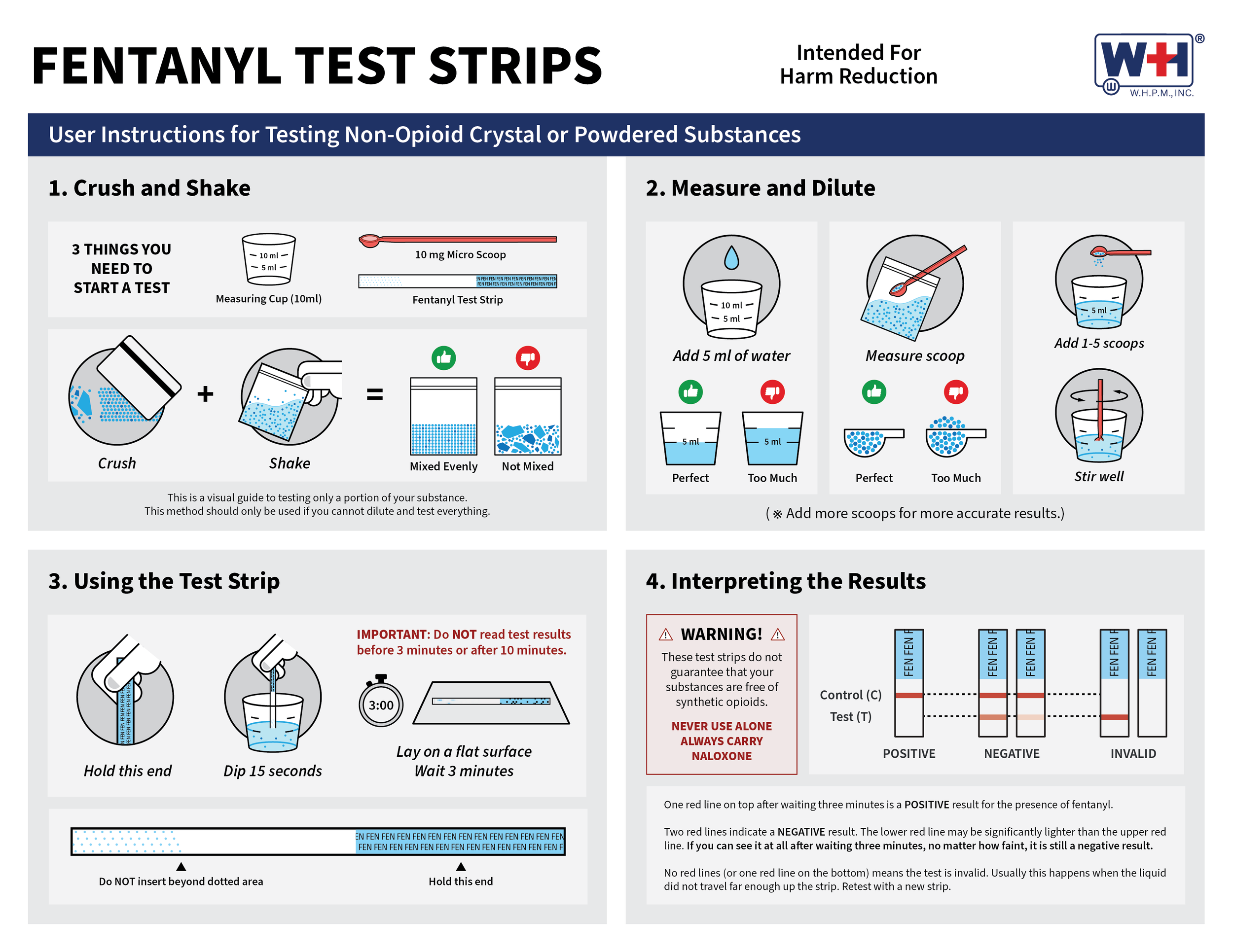
Fentanyl test strips are not a guarantee, but they can reveal contamination in a sample. That gives a person a chance to avoid using that batch, use less, or not use alone. Small edge. Real value.
And yes, this can feel awkward. So can checking a seat belt. You still do it.
What to ask of local treatment and support services
Harm reduction should lead somewhere. If a person is ready for treatment, ask programs about same-day intake, buprenorphine access, mental health care, and peer support. If they are not ready, ask whether the program still offers overdose prevention, referrals, and follow-up.
Good services do not force an all-or-nothing choice. They meet people where they are and keep the door open. That is how real recovery starts for many people, even if the first step is just showing up alive.
What Tucson families should watch for
Do not wait for a dramatic collapse. Many overdose warning signs are quieter than people expect.
- Very slow or shallow breathing
- Extreme sleepiness
- Pinpoint pupils
- Blue or gray skin tone, especially lips and fingertips
- Gurgling, choking, or snoring-like sounds
If the person wakes after naloxone, stay with them. Naloxone can wear off before fentanyl does. That is why calling for medical help still matters.
Sometimes family members ask whether carrying naloxone means they expect the worst. Honestly, no. It means you are prepared. That is a different thing entirely.
What matters next
The hardest part of fentanyl harm reduction is not the gear or the steps. It is facing the reality that someone you love may be at risk right now. But you do not need to solve everything tonight. You need to make the next hour safer.
Start with one action. Get naloxone. Learn overdose signs. Have the awkward talk. Then ask this: if the next crisis comes before treatment does, are you ready?
That answer should be yes.
This article is for educational purposes only and should not be considered medical advice. Always consult a qualified healthcare provider before making decisions about addiction treatment. If you or someone you know is in crisis, call SAMHSA's National Helpline: 1-800-662-4357 (free, confidential, 24/7).