Fayetteville State University Counseling Center Expansion
Fayetteville State University Counseling Center Expansion Students cannot do much with mental health support that is hard to find, hard to reach, or packed…
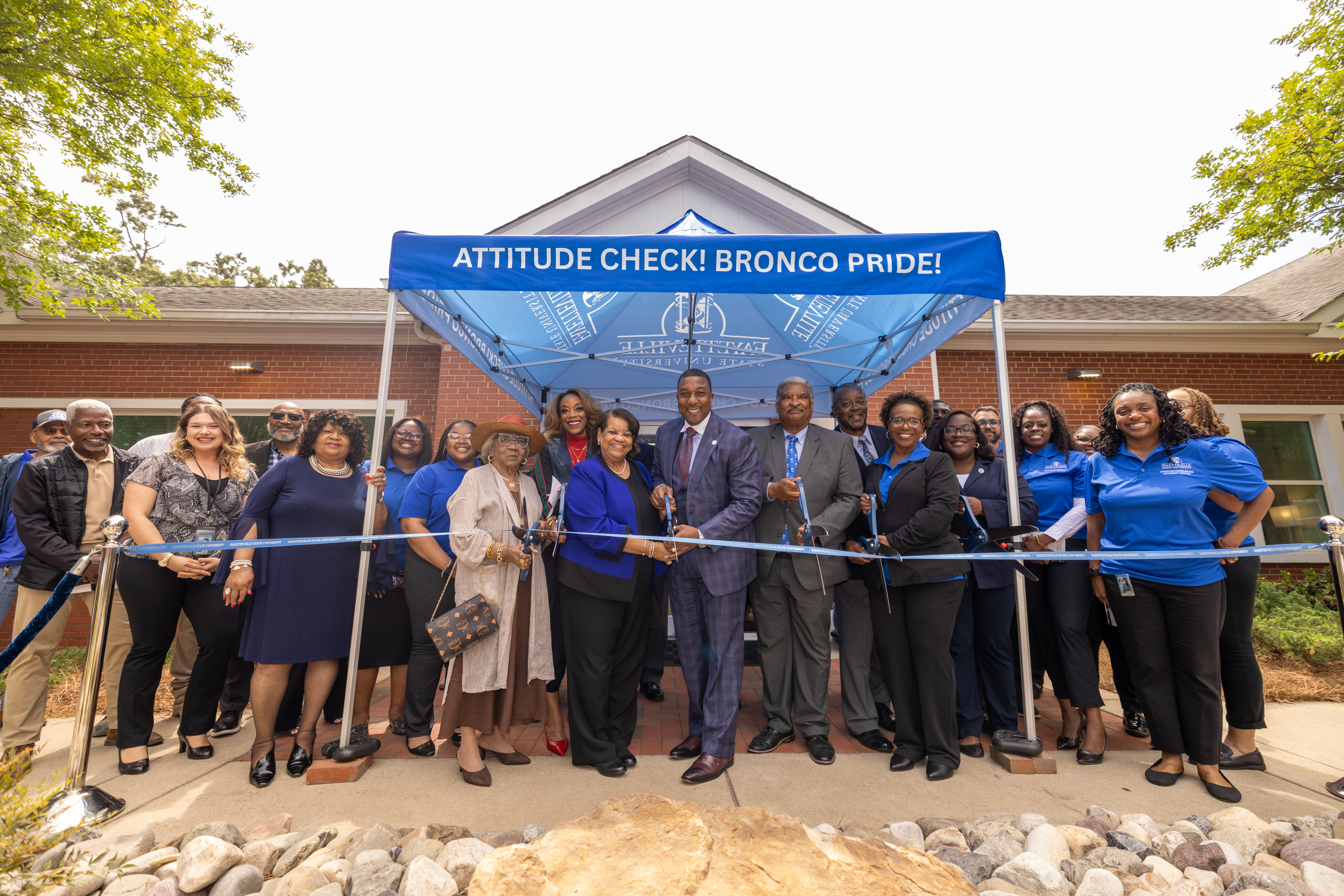
Fayetteville State University Counseling Center Expansion
Students cannot do much with mental health support that is hard to find, hard to reach, or packed into outdated space. That is why the Fayetteville State University counseling center expansion matters right now. The university has opened a new Center for Counseling and Accessibility Services, a move that points to a bigger shift in how campuses handle counseling, disability accommodations, and student success. If you are a student, parent, or higher education leader, this is the real question: does a new building actually improve access, or is it just a ribbon-cutting moment? In this case, the answer looks more concrete. Better space can mean more privacy, smoother intake, and closer coordination between counseling and accessibility teams. For a campus trying to meet rising mental health needs, that is a practical upgrade, not window dressing.
What stands out
- The new center brings counseling and accessibility services together in one campus resource.
- That setup can reduce friction for students who need both mental health care and academic accommodations.
- Physical space matters. Privacy, layout, and capacity often shape whether students seek help at all.
- The opening reflects a wider trend in higher education, where student wellness is becoming non-negotiable.
What the Fayetteville State University counseling center expansion adds
According to BizFayetteville, Fayetteville State University marked the grand opening of its new Center for Counseling and Accessibility Services on April 28, 2026. The project combines two functions that students often need at the same time. Counseling support for mental health, and accessibility services for disability-related academic access.
That pairing makes sense. Students dealing with anxiety, depression, trauma, ADHD, or other conditions may also need class accommodations, testing support, or documentation help. Putting those services under one roof is a bit like moving a kitchen pantry next to the stove. Fewer steps. Less friction. Better odds that people use what is there.
Campus support works better when students do not have to chase it across multiple offices.
Look, campuses love to celebrate buildings. Fair enough. But the test is simple. Does the new center make care easier to access, faster to coordinate, and more private for students who already feel stretched thin?
Why campus mental health space matters
Mental health care on college campuses has been under pressure for years. Nationally, more students are asking for counseling, crisis support, and disability accommodations. Staff can do strong work, but cramped offices and scattered systems slow everything down.
A better facility can improve the basics that students notice right away:
- More discreet check-in and waiting areas
- Private counseling rooms
- Room for group support or workshops
- Clearer access for students with mobility or sensory needs
- Stronger coordination between clinical and administrative teams
And that matters because first impressions count. A student who finally decides to ask for help is making a hard trip already. If the process feels confusing or exposed, some will bail.
One bad handoff can lose a student.
How accessibility services fit into the mental health picture
Too many people treat counseling and accessibility as separate tracks. They are not. Mental health conditions can affect concentration, attendance, sleep, organization, and test performance. That can directly shape whether a student needs accommodations.
The Fayetteville State University counseling center expansion appears to recognize that overlap. A student may need therapy support, but also help with classroom adjustments, documentation, or communication with faculty. If those systems talk to each other well, students spend less time repeating their story and more time getting usable support.
What students may gain from one center
- Fewer referrals between disconnected offices
- Faster support planning
- Better understanding of how mental health affects coursework
- Improved access for students with visible and invisible disabilities
Honestly, this is where many schools still stumble. They say they care about wellness, then force students through a maze of forms, appointments, and vague instructions. A centralized center is not a magic fix, but it is a smarter layout.
What this means for recovery, wellness, and student stability
This story sits in the mental health and wellness lane, but it also touches recovery and harm reduction in a broad sense. Students in recovery from substance use, students managing trauma, and students dealing with severe stress often need stable access to counseling. They also may need academic flexibility to stay on track.
That is why campus care cannot be treated as an extra perk. It is part of student retention, daily functioning, and safety. And for some students, getting help early can prevent a mental health issue from becoming a full academic collapse.
Parents should pay attention to this too. A school that invests in counseling and accessibility is signaling that support services are part of the academic mission, not an afterthought tucked in the corner.
Questions students should ask about the new center
A new building is good news, but students still need the details. If you are considering Fayetteville State University, or if you already attend, ask practical questions.
- How quickly can you get an intake appointment?
- Are crisis appointments available the same day?
- What kinds of therapy or support groups are offered?
- How does the office handle disability accommodations for mental health conditions?
- Is there follow-up support if campus counseling is not enough?
Those answers tell you more than a ribbon-cutting photo ever will.
What other colleges should learn from the Fayetteville State University counseling center expansion
Higher education has spent years talking about student wellbeing. Some of that talk has been thin. Buildings alone do not solve staffing shortages, long wait times, or uneven care. But physical infrastructure still matters because it shapes the student experience from the first visit onward.
The stronger lesson here is strategic. Put related support services together. Design for privacy. Make entry simple. Treat accessibility and mental health as linked parts of student success. That is the kind of nuts-and-bolts planning campuses need more of.
BizFayetteville framed the opening as a milestone for Fayetteville State University, and that seems fair. The next test is execution. If the center improves response times, coordination, and comfort for students, it will be more than a nice new address. It will be a better operating model.
What happens next
If Fayetteville State University backs this new center with enough staff, clear processes, and steady outreach, the payoff could be substantial for student mental health and disability support. That is the part to watch. The building is open. Now the real measure begins. Will more students get help before a bad semester turns into a crisis?
This article is for educational purposes only and should not be considered medical advice. Always consult a qualified healthcare provider before making decisions about addiction treatment. If you or someone you know is in crisis, call SAMHSA's National Helpline: 1-800-662-4357 (free, confidential, 24/7).