Drug Take-Back Programs in Lucas County
Drug Take-Back Programs in Lucas County You may have old pain pills, sleep medicine, or leftover antibiotics sitting in a bathroom cabinet right now. That…
Drug Take-Back Programs in Lucas County
You may have old pain pills, sleep medicine, or leftover antibiotics sitting in a bathroom cabinet right now. That stash is not harmless. It can feed prescription misuse, poison kids and pets, and put strong drugs back into circulation. A drug take-back program gives you a simple way to clear that risk fast, and that matters now because unused medication is still one of the easiest sources of diversion in the home.
Lucas County residents do not need a lecture. They need a clear path. Where do you bring the pills? What counts as safe disposal? And why does a small action at home matter to the larger problem of prescription abuse? The answer is plain. When you remove unused drugs from the house, you reduce access, lower temptation, and make a real dent in preventable harm. Think of it like locking the front door after a late shift. Small move. Real consequence.
What the drug take-back program does
- Removes unused prescription drugs from homes before they can be misused.
- Reduces accidental poisonings among children, teens, and pets.
- Blocks easy access for people who may look for pills at home.
- Supports safer communities by keeping medication out of trash and drains.
Why drug take-back programs matter for prescription abuse
Most people do not set out to become part of the opioid crisis or any other drug problem. But unsecured medicine cabinets create opportunity. A relative, a guest, or a teen can find a bottle in seconds. That is how diversion starts.
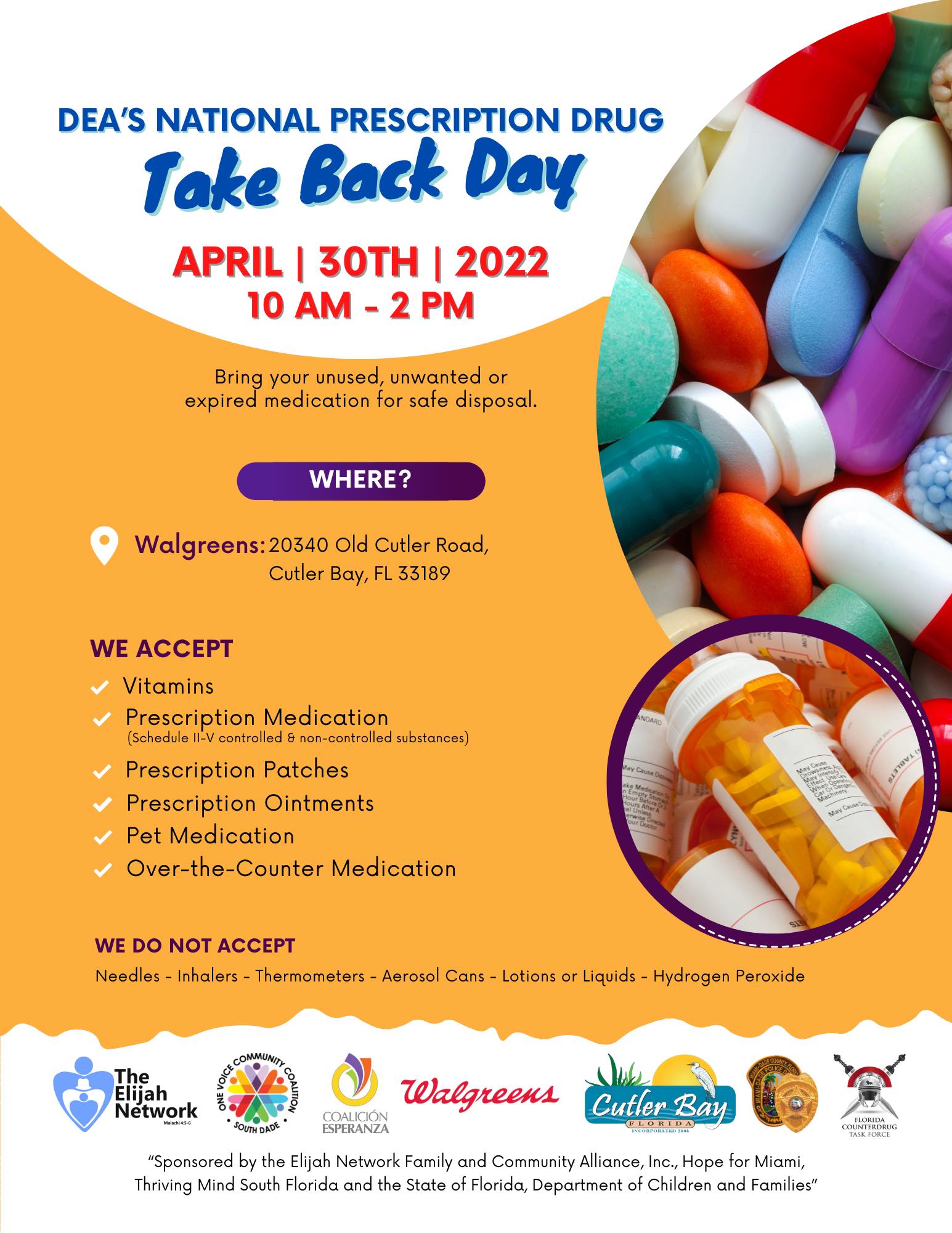
National data backs up the concern. The Substance Abuse and Mental Health Services Administration has long advised that unused medication should be disposed of through take-back options when possible. The U.S. Drug Enforcement Administration also runs National Prescription Drug Take Back Day to collect unneeded medications across the country. The message is consistent. Remove the supply before it becomes a problem.
Unused medicine is not neutral. In the wrong hands, it becomes a risk you can see, and sometimes one you cannot.
How to use a drug take-back program safely
Most take-back sites are straightforward. Many are at pharmacies, law enforcement agencies, or community collection events. Some accept pills only, while others also take patches, liquids, or inhalers. Always check the site rules before you go.
- Gather all unused and expired prescription medications.
- Keep pills in their original containers if the site asks for that.
- Remove personal labels if you plan to throw away the empty bottles.
- Take the medication to an approved drop box or collection event.
- Ask about accepted items if you are unsure about liquids, sharps, or creams.
If you cannot get to a collection site right away, the FDA says some medications may be disposed of in household trash using specific steps. But take-back is the cleaner option when it is available. Why risk guesswork when a local drop-off exists?
Drug Take-Back Program Lucas County: what to look for locally
In Lucas County, the strongest programs are the ones that make disposal easy, visible, and free. Look for permanent drop boxes at law enforcement agencies, pharmacy partners, or special collection drives advertised by local health groups and public safety offices.
Pay attention to the details. A good program should tell you what it accepts, where it is located, and whether it runs year-round or on selected dates. If you are helping an older parent clean out a medicine cabinet, that information saves time and keeps the process simple.
What you should not do
Do not flush medication unless the label or package gives that instruction. Do not leave pills loose in a bag where someone else can grab them. And do not assume that throwing medicine in the kitchen trash makes it safe. It often does not.
Also, keep in mind that a take-back program is only one piece of the puzzle. You still need to talk with family members about safe storage, especially if there are teens in the house. A locked box may not sound dramatic, but it works.
Why this step matters for your household
Here is the thing. Prevention often looks boring from the outside. But the best prevention is usually plain, cheap, and fast. Drug take-back programs fit that model. You get a cleaner home, less clutter, and fewer chances for misuse.
For families dealing with pain medicine after surgery, ADHD medication, or old anxiety pills, this is practical harm reduction. You do not need a perfect system. You need one that keeps unneeded drugs out of reach and out of circulation.
And yes, one bag of pills can matter. One cabinet can matter. One drive to a drop box can matter. That is how public health works, one boring but necessary step at a time.
What to do next
Check your medicine cabinet this week. Pull out anything expired, unused, or no longer prescribed. Then find the nearest approved collection site in Lucas County and take it there.
If you have a house full of people, make this a routine. Spring cleaning is good. Fall cleaning is good too. But a scheduled take-back habit is better. What would happen if every household did that twice a year?
This article is for educational purposes only and should not be considered medical advice. Always consult a qualified healthcare provider before making decisions about addiction treatment. If you or someone you know is in crisis, call SAMHSA's National Helpline: 1-800-662-4357 (free, confidential, 24/7).