Dog-Friendly Recovery Service in Scotland
Dog-Friendly Recovery Service in Scotland If you have ever delayed treatment because of a pet, you are not alone. For many people, the bond with a dog is a…
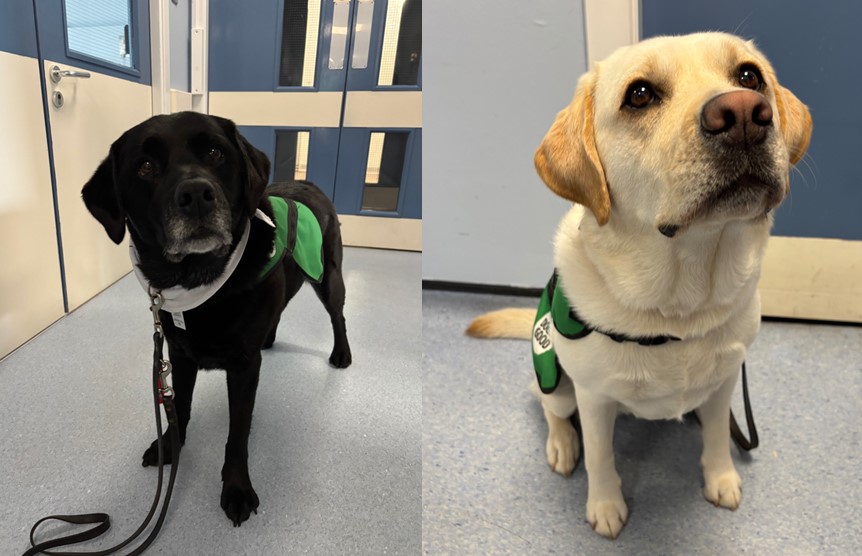
Dog-Friendly Recovery Service in Scotland
If you have ever delayed treatment because of a pet, you are not alone. For many people, the bond with a dog is a daily source of stability, routine, and emotional safety. That is why this new dog-friendly recovery service in Scotland matters right now. It tackles a barrier that rarely gets enough attention in alcohol and drug support. People may avoid appointments, drop out of care, or refuse residential help because they do not want to leave their dog behind. A service that makes room for pets can remove that friction and make treatment more realistic. And honestly, that is the sort of practical change recovery systems need more of.
What stands out here
- Scotland has launched its first dog-friendly alcohol and drug recovery service.
- The model addresses a real treatment barrier for people who cannot or will not be separated from their pets.
- Dogs can support routine, emotional regulation, and trust during recovery.
- This approach reflects harm reduction thinking by meeting people where they are.
Why a dog-friendly recovery service in Scotland matters
Addiction treatment often assumes people can simply show up, comply with rules, and rearrange their lives on command. Real life does not work that way. If someone is living in unstable housing, managing anxiety, or rebuilding trust after years of chaos, a dog may be the one constant they have.
That bond is not sentimental window dressing. It can shape whether a person seeks help at all. What happens if the choice is treatment or your dog? A lot of people will walk away from treatment.
This is a barrier services created, which means services can remove it.
The new dog-friendly recovery service in Scotland does exactly that. Based on reporting from The Ferret and Third Force News, the service was launched in Fife and is designed to support people dealing with alcohol and drug issues without forcing separation from their pet. That sounds simple. It is also smart.
Recovery works better when services fit the person’s life, not when the person has to fit a rigid service model.
How pets can support alcohol and drug recovery
There is a reason this idea lands with people so quickly. Dogs bring structure. They need walks, feeding, and care every day. In recovery, routine is not a small thing. It is often the base layer that helps everything else hold together.
They can also reduce isolation. Someone who struggles to trust professionals may still engage if their dog is welcome. A pet can make an appointment feel less clinical and less threatening (especially for people with trauma histories).
Practical ways dogs may help in recovery
- Routine: Walking, feeding, and grooming create daily anchors.
- Emotional support: Dogs can reduce stress and offer comfort during hard periods.
- Motivation: Caring for a pet can reinforce reasons to stay stable.
- Social connection: Dogs often make it easier to speak with staff or peers.
- Retention in care: People may be more likely to attend if pet-related barriers are removed.
Look, this does not mean a dog replaces treatment. It means the dog may help someone stay close enough to treatment for it to work.
What services can learn from the dog-friendly recovery service in Scotland
The bigger lesson is not just about dogs. It is about design. Too many services are built like a strict kitchen with no room to adjust the recipe, even when the ingredients in front of you clearly demand it. Recovery support should be more flexible than that.
A dog-friendly setup shows what person-centered care can look like in practice. Not in slogans. In policy, access rules, and daily operations.
Changes other providers could consider
- Allow pets at selected appointments or support sites.
- Partner with animal welfare groups for temporary pet care.
- Screen for pet ownership during intake to identify access barriers.
- Train staff on how pets affect engagement, housing choices, and treatment retention.
- Build recovery planning around the realities of caregiving responsibilities.
Some of these changes are low-cost. Others need planning. But the point stands. If a service can adapt around childcare, transport, or disability access, why not around pet care too?
The wider recovery picture in Scotland
Scotland has faced sustained pressure to improve its response to drug deaths, treatment access, and long-term recovery support. That makes small service shifts worth watching, especially when they remove a barrier that standard models tend to ignore.
This matters because engagement is fragile. People do not always enter treatment at the perfect moment with neat paperwork and stable living conditions. They often arrive with complicated lives, mixed motivation, and thin trust. Services that respond to those facts have a better shot at keeping people connected.
One good idea does not fix a strained system.
But it can expose where the old model falls short. A dog-friendly recovery service in Scotland sends a pointed message. Recovery support should deal with actual human lives, not an idealized version of them.
Questions families and people in recovery may ask
Is this only for people with dogs?
Based on the report, the service is specifically dog-friendly, so the focus is on people whose dogs affect treatment access. The broader principle could apply to other pets, but that would depend on the provider’s rules and capacity.
Does dog-friendly mean informal or less clinical?
No. A service can be pet-friendly and still maintain standards, boundaries, and treatment goals. In fact, that mix is the whole point. Flexible access does not mean weak care.
Could this model improve treatment retention?
It could, especially for people who have avoided support because of pet separation. The logic is solid, though long-term results will need tracking over time.
Where this could go next
The smart move now is to measure what happens. Are more people showing up? Do they stay in support longer? Are staff seeing stronger trust and better continuity of care? Those are the numbers that will tell us whether this should spread beyond Fife.
My view is simple. Services should stop treating everyday barriers as side issues. Housing matters. Transport matters. Childcare matters. And yes, dogs matter too for some people. If Scotland wants recovery systems that people actually use, this kind of grounded experiment deserves close attention and probably company.
This article is for educational purposes only and should not be considered medical advice. Always consult a qualified healthcare provider before making decisions about addiction treatment. If you or someone you know is in crisis, call SAMHSA's National Helpline: 1-800-662-4357 (free, confidential, 24/7).