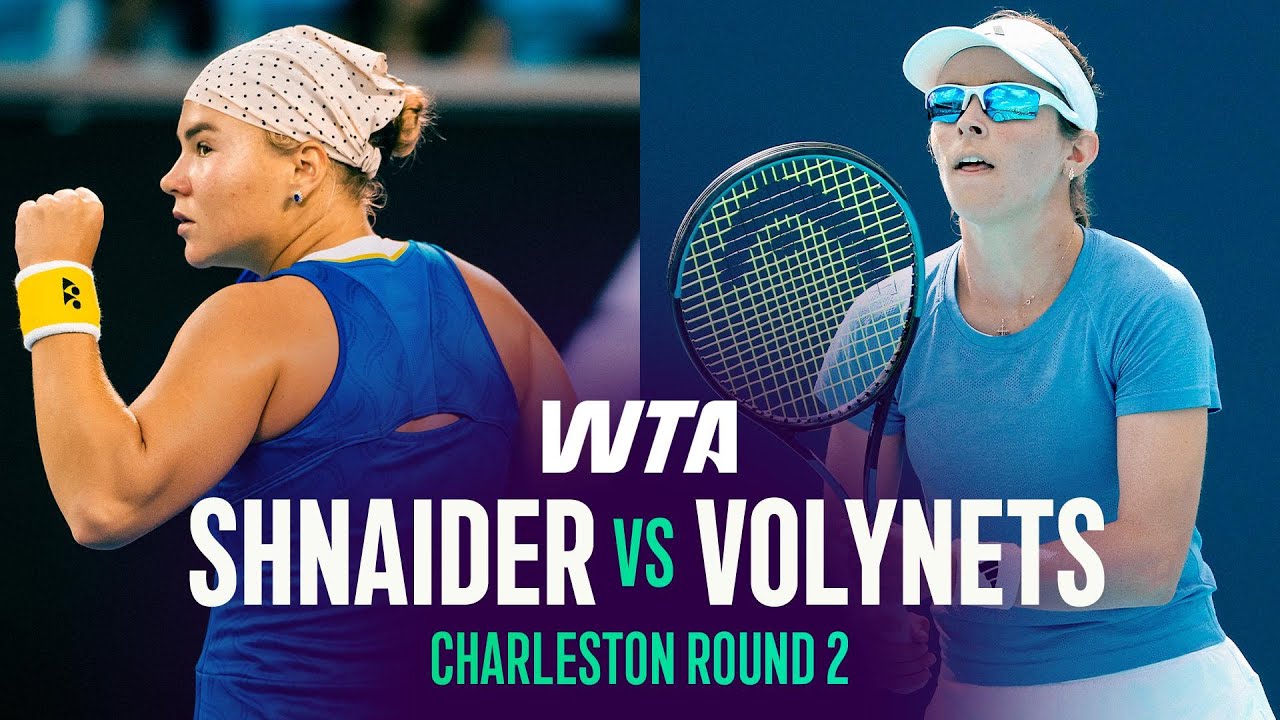
Diana Shnaider vs Katie Volynets Highlights: How Power and Patience Won
Diana Shnaider vs Katie Volynets Highlights: How Power and Patience Won You watched Diana Shnaider vs Katie Volynets highlights and saw raw pace, but the real…
Diana Shnaider vs Katie Volynets Highlights: How Power and Patience Won
You watched Diana Shnaider vs Katie Volynets highlights and saw raw pace, but the real story sits in tempo control and point construction. Right now, players at every level chase first-strike winners and skip the boring footwork drills that keep rallies alive. This match matters because Shnaider mixed heavy topspin with patient rally tolerance, showing that timing beats reckless power. You can apply the same blend to your own weekend matches or junior training blocks. Spot how she set up backhand angles, how Volynets probed with depth, and how momentum swung when either player overpressed. The tape offers practical cues on serve patterns, neutral-ball footwork, and when to turn defense into offense. Why miss a free lesson hiding in plain sight?
Match Snapshot
- Shnaider dictated early with heavy crosscourt forehands to the Volynets backhand.
- Volynets pushed back by stretching rallies beyond six shots to draw errors.
- Serve-plus-one patterns decided most of the short games.
- Momentum flipped when either player rushed approach shots.
What the Diana Shnaider vs Katie Volynets Highlights Show
Look at the opening return games. Shnaider stood inside the baseline to shrink Volynets’s time, a simple move that paid off with short replies. Yet she backed off when facing a heavier kicker. That ebb and flow mirrors a boxer gauging reach round by round.
“Pace is a weapon only when paired with margin. Shnaider earned that margin with higher net clearance, then pounced.”
One rally tells the tale. A 12-ball exchange ended when Shnaider rolled a looping crosscourt, stepped around, and finished with a forehand inside-out. Volynets guessed down the line and paid for it.
Serve Patterns You Can Steal
- Go body first. Shnaider jammed Volynets to set up short balls.
- Mix slice wide on the ad side, then aim forehand to the open deuce corner.
- On tight points, add height and spin instead of chasing aces.
Shnaider’s depth worked like a chef adjusting seasoning. A little extra topspin changed the entire flavor of the rally.
How to Apply the Diana Shnaider vs Katie Volynets Highlights to Your Game
Build a drill where you alternate between neutral crosscourts and a single change of direction. Count out loud to six before pulling the trigger. It forces patience. Another option: copy Volynets’s habit of using high loopy balls to reset when pulled wide. That buys recovery steps and frustrates hitters who only like pace.
One-sentence reminder: Patience wins more points than you think.
Footwork and Positioning
Shnaider’s split step landed as Volynets made contact, not after. Small detail, big payoff. She also slid into backhands, letting her keep balance for the next ball. Can you time your split as cleanly?
Mental Pacing and Momentum
Shnaider took extra seconds before key serves, which cooled down Volynets’s mini-runs. Think of it like a basketball timeout after a 7-0 burst. A short pause resets breathing and shot selection. If you rush, you hand momentum away for free.
Why This Match Matters Beyond the Score
The duel shows that junior-level hitters can win without endless winners. Tempo shifts, spin variation, and disciplined shot tolerance beat reckless aggression. Fans get a cleaner read on how modern baseliners manage height and depth, not just pace.
Final Take
Power made the highlights, but discipline tilted the match. Try one of these patterns in your next hit and see how many cheap errors you strip away.
This article is for educational purposes only and should not be considered medical advice. Always consult a qualified healthcare provider before making decisions about addiction treatment. If you or someone you know is in crisis, call SAMHSA's National Helpline: 1-800-662-4357 (free, confidential, 24/7).