DHS Fentanyl Seizures Data Collection Is Not Good Enough
DHS Fentanyl Seizures Data Collection Is Not Good Enough If you want honest drug policy, you need honest numbers. That is the problem with DHS fentanyl…
DHS Fentanyl Seizures Data Collection Is Not Good Enough
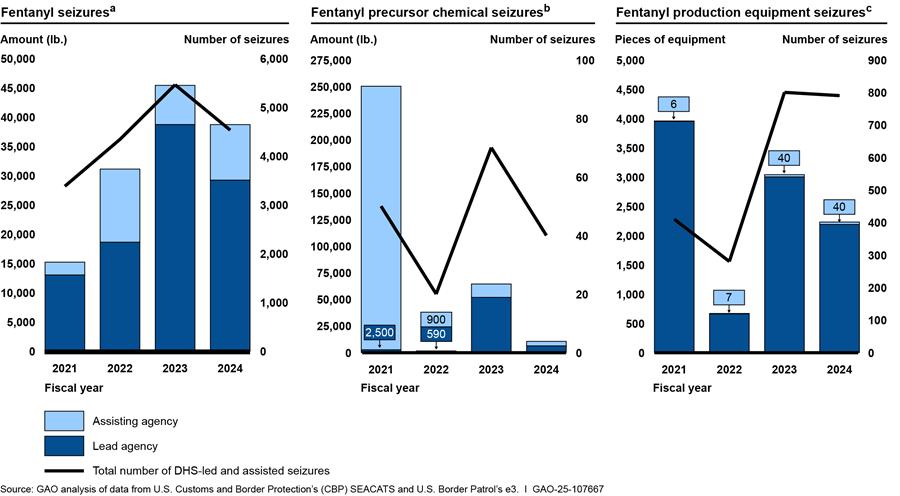
If you want honest drug policy, you need honest numbers. That is the problem with DHS fentanyl seizures data collection right now. The public keeps hearing about record busts, border pressure, and enforcement wins, but the data behind those claims is patchy, inconsistent, and hard to compare across agencies and years.
That matters because fentanyl policy drives arrests, funding, border operations, and treatment priorities. When the numbers are fuzzy, the response gets fuzzy too. Are seizures rising because more fentanyl is flowing, or because enforcement changed how it reports cases? Are agencies counting the same thing the same way? If you cannot answer those questions, you are building policy on sand.
Look, this is not a small bookkeeping issue. It shapes what Congress hears, what reporters repeat, and what agencies call success. And if the baseline is shaky, how can anyone judge whether the strategy is working?
What stands out in DHS fentanyl seizures data collection
- Reporting is fragmented. Different DHS components collect and present seizure data in different formats.
- Definitions can shift. A “seizure” or “incident” may not mean the same thing across datasets.
- Context is thin. Raw totals often leave out purity, source, route, and enforcement changes.
- Trend lines can mislead. More seizures do not always mean more drugs in circulation.
- Public transparency is limited. That makes independent review harder than it should be.
Better data does not mean more scary headlines. It means better decisions. Without cleaner reporting, DHS can claim progress without proving it.
Why the numbers are hard to trust
The core problem is simple. DHS is not one agency with one clean database. It is a cluster of offices, including Customs and Border Protection and Homeland Security Investigations, each with its own operational priorities and reporting habits.
That creates drift. One office may count packages, another may count cases, and a third may publish only selected totals. A headline can make the whole system look precise, but the underlying data may be more like a box score with missing innings.
And that matters because fentanyl enforcement is often sold as a direct measure of border control. But seizures are influenced by staffing, inspection methods, intelligence targeting, and smuggling behavior. If officers inspect more vehicles in one year, seizures can rise even if the underlying flow stays flat. The reverse can happen too.
Why DHS fentanyl seizures data collection distorts policy
Bad data does not stay inside a spreadsheet. It pushes policy in the wrong direction.
If seizures go up, officials may argue for more interdiction and harsher penalties. If seizures fall, they may claim victory. But neither reading is solid without knowing whether the underlying reporting changed. That is like judging a baseball team by stolen base totals without checking how many games they played.
Here is the thing. Drug markets adapt fast. Smuggling routes shift, concealment methods change, and counterfeit pills complicate the picture. If the government counts only the seizures it can easily record, it may miss the bigger story. Are officers finding fentanyl because trafficking is worsening, or because they are looking harder in one narrow place?
What policymakers should ask
- What exactly is being counted, and by whom?
- Are seizure units measured by weight, dosage form, package, or case?
- Did the agency change its reporting method this year?
- Are purity and substance confirmation included?
- Can outside researchers access the raw data?
What better DHS fentanyl seizures data collection should include
Cleaner reporting would not solve the overdose crisis on its own. But it would make enforcement data far more useful.
At minimum, DHS should publish consistent definitions across components, time-stamped methodology notes, and more detail on what each seizure record means. Agencies should also separate confirmed fentanyl from suspected fentanyl and explain how lab testing affects final counts.
There is also a basic transparency test. If outside analysts cannot trace how a number was produced, then the number is doing more political work than public work. That is a problem. A serious one.
Better data would help local governments, researchers, and journalists spot real patterns. It would also reduce the temptation to oversell enforcement as a cure-all. And that matters, because fentanyl deaths are driven by more than supply alone. Treatment access, naloxone, stimulant contamination, and polysubstance use all shape the outcome.
What readers should watch next
DHS fentanyl seizures data collection will keep showing up in speeches and press releases. The question is whether anyone asks what the numbers actually mean.
Watch for three things. First, whether DHS standardizes reporting across offices. Second, whether it opens more of the underlying data to public review. Third, whether officials stop treating seizure totals like a clean scoreboard. They are not.
Honestly, the system should be boring. Consistent definitions. Clear methods. Public access. That is the kind of unglamorous work that makes policy real. Until then, every big seizure headline deserves a hard follow-up: what changed, what was counted, and what was left out?
This article is for educational purposes only and should not be considered medical advice. Always consult a qualified healthcare provider before making decisions about addiction treatment. If you or someone you know is in crisis, call SAMHSA's National Helpline: 1-800-662-4357 (free, confidential, 24/7).