Detox Myths: What Your Body Really Does
Detox Myths: What Your Body Really Does You do not need a juice cleanse, a tea, or a powdered mix to “reset” your system. The phrase detox myths shows up…
Detox Myths: What Your Body Really Does
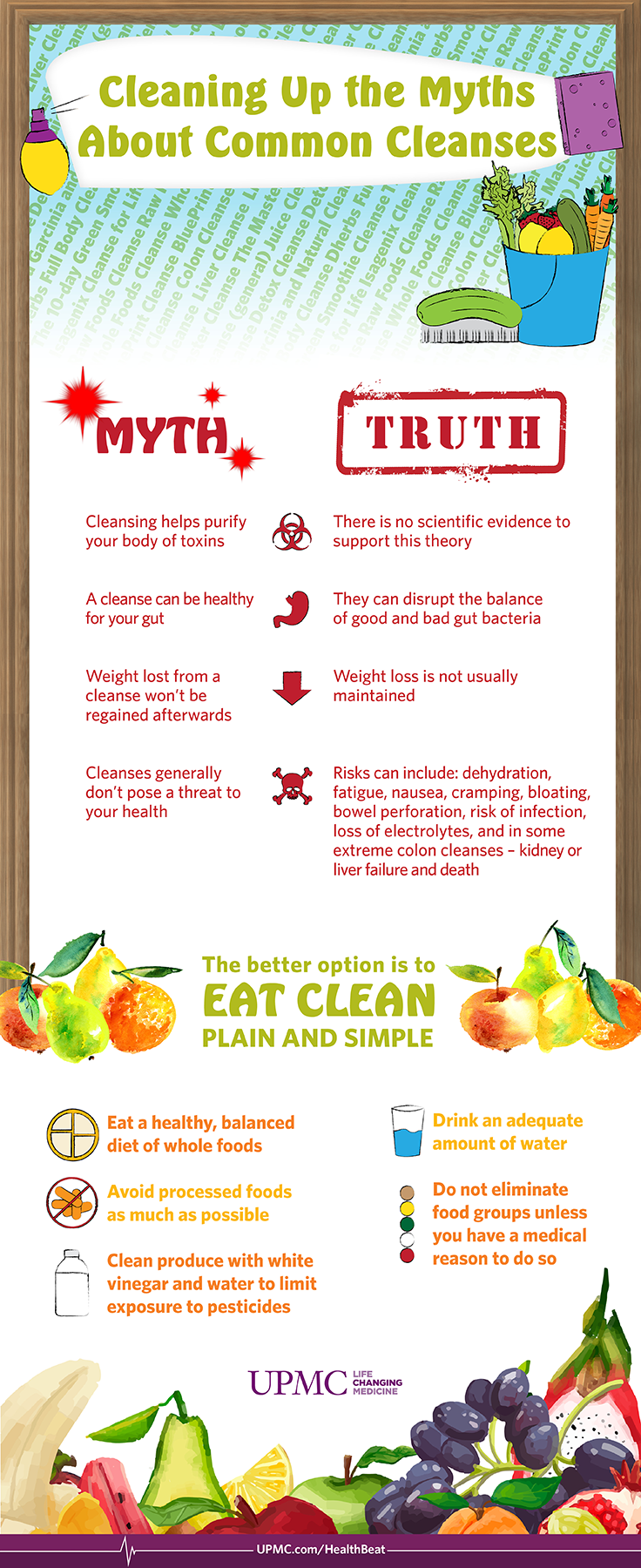
You do not need a juice cleanse, a tea, or a powdered mix to “reset” your system. The phrase detox myths shows up everywhere because it sells hope fast, especially when you feel bloated, tired, or off track. But your body already has a built-in cleanup crew. Your liver, kidneys, lungs, skin, and digestive system handle waste every day. The real problem is that detox marketing turns a normal biological process into a product pitch. And that pitch can distract you from habits that actually help. What should you trust instead? Start with how your body works, then decide whether the claim in front of you makes any sense.
What the facts say about detox myths
- Your liver does the heavy lifting. It filters substances and changes them so your body can remove them.
- Your kidneys help keep balance. They remove waste through urine and manage fluid levels.
- Detox products rarely have proof. Many use vague language and lean on testimonials instead of data.
- Feeling better after a cleanse is not proof. People often change what they eat during a cleanse, which can explain short-term changes.
- Some detox trends can backfire. Extreme fasting, laxatives, and unregulated supplements can cause harm.
Why detox myths sound convincing
Detox claims work like a bad sports coach who blames every loss on one missing drill. They simplify a complex problem and sell one fix. If you feel sluggish, it is easy to think your body is “dirty” and needs a reset. But that idea skips the basics.
The body is not a clogged pipe. It is more like a house with a working plumbing system, ventilation, and waste removal already built in. If one part fails, you fix that part. You do not pour mystery liquid into every drain and hope for the best.
“Your body has a natural detox system already. The liver and kidneys do that job every day.”
Detox myths and the products built around them
Most detox products are sold with broad promises and thin details. A tea may promise “cleansing.” A pill may claim it removes toxins. A smoothie plan may suggest your body needs a restart. But what toxin? Removed how? Measured by whom?
That matters. Without a named substance, a measured outcome, and a clear mechanism, the claim is just advertising. Even the FDA warns consumers to be cautious with supplements and cleanses that promise dramatic results. The label can sound scientific and still say very little.
Common red flags
- Promises of fast weight loss
- Claims that one product works for everyone
- No clear ingredient list
- Before-and-after photos instead of data
- Language that blames your body for “toxins” without naming them
What actually helps your body clear waste
Here is the simple part. You do not need a cleanse to support your body. You need habits that keep your organs working well. Boring? Maybe. Effective? Yes.
- Drink enough water. Hydration helps your kidneys do their job.
- Eat fiber. Fruits, vegetables, beans, and whole grains support digestion and regular bowel movements.
- Sleep enough. Sleep affects hormone balance, mood, and recovery.
- Limit alcohol. Your liver can only process so much at once.
- Move your body. Regular activity supports circulation, metabolism, and bowel health.
That list does not sound flashy. It is still the right list.
Should you detox your body if you feel unwell?
Not by buying a trendy product. If you feel tired, bloated, constipated, or foggy, those symptoms can come from many causes. Poor sleep, low fiber intake, dehydration, stress, medication side effects, and medical conditions can all play a role. A detox drink will not fix most of them.
If symptoms are persistent or severe, talk with a clinician. That step is far more useful than guessing which cleanse to try next. And if a product promises to treat disease, remove poisons, or cure vague “toxins,” treat that as a serious red flag.
How to spot detox myths before they waste your time
Look for the claim behind the claim. That is where the truth usually hides.
- Ask what toxin is being removed. If the answer is fuzzy, the claim is weak.
- Ask how success is measured. Real health claims use clear outcomes.
- Check who benefits. If the brand sells the solution, its incentive is obvious.
- Compare it to basic biology. If it fights how the liver, kidneys, or gut work, be skeptical.
- Read the warning signs. Rapid weight loss, diarrhea, vomiting, or dehydration are not wellness wins.
Honestly, that last point is where a lot of detox culture turns absurd. If a plan leaves you weak, dizzy, or chained to a bathroom, that is not cleansing. That is strain.
What to do next
Skip the miracle fix. Focus on sleep, water, fiber, movement, and less alcohol. If you want a clean slate, build one with habits, not hype. Your body already knows how to do the work. Why fight it with a product that cannot explain itself?
This article is for educational purposes only and should not be considered medical advice. Always consult a qualified healthcare provider before making decisions about addiction treatment. If you or someone you know is in crisis, call SAMHSA's National Helpline: 1-800-662-4357 (free, confidential, 24/7).