Dermal Fillers for Foot Pain: What They Can Really Do
Dermal Fillers for Foot Pain: What They Can Really Do Dermal fillers for foot pain sound unusual, but the idea is simple. If the padding under the ball of your…
Dermal Fillers for Foot Pain: What They Can Really Do
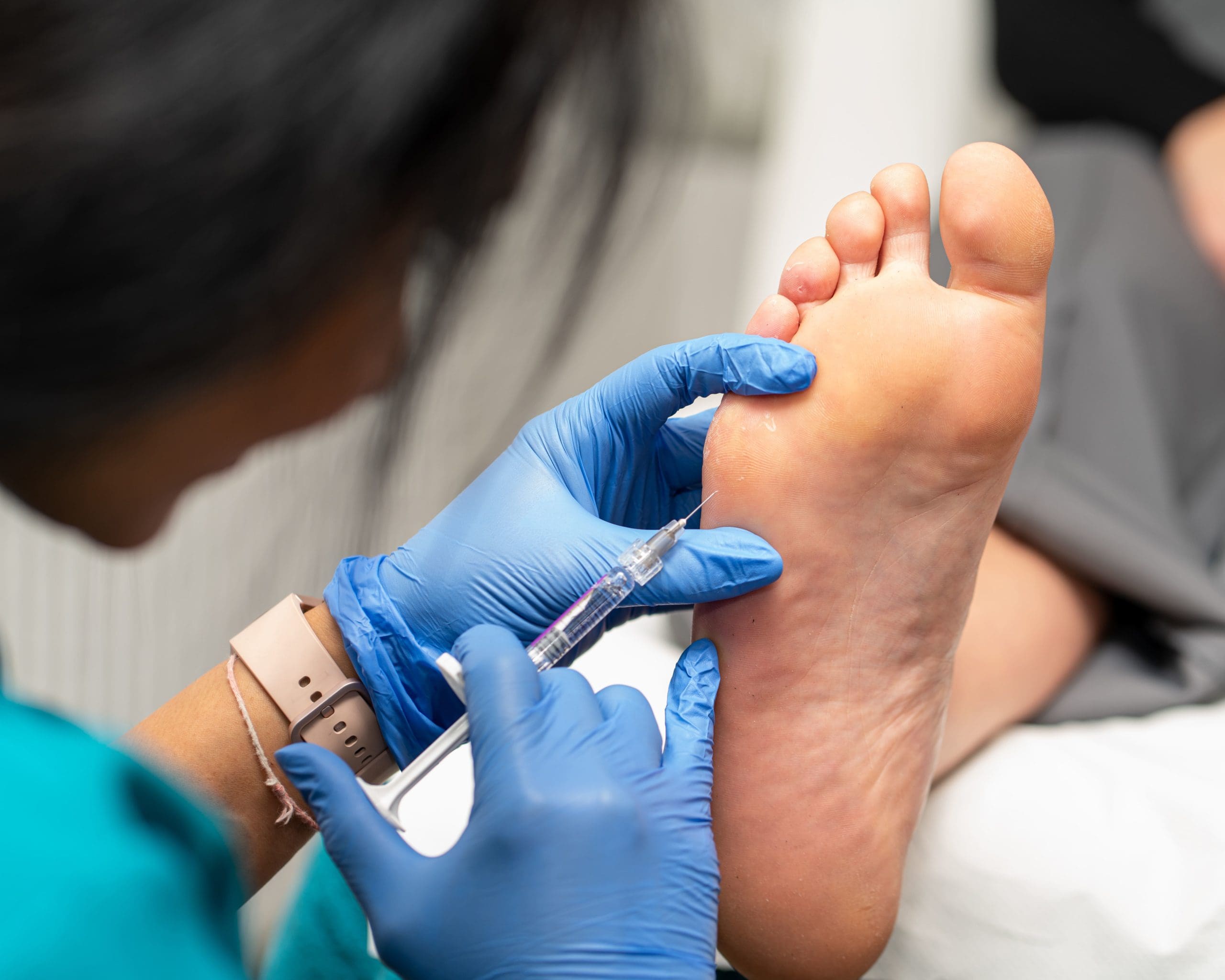
Dermal fillers for foot pain sound unusual, but the idea is simple. If the padding under the ball of your foot has worn down, or your feet take a beating from long days on hard floors or high heels, a filler may add some cushion. That does not mean it is a cure. It is an off-label treatment, and it works best for a narrow set of problems, especially pain tied to lost fat padding. If your pain is coming from shoe fit, nerve irritation, arthritis, or a gait issue, the answer is very different. So what should you expect before you book?
What You Need to Know
- It adds padding: The goal is to create extra cushioning under pressure points in the forefoot or heel.
- It is off-label: Foot use is not the main reason most fillers are made or marketed.
- It is not for every cause of pain: Fat pad loss is a better fit than nerve pain or joint disease.
- It can be temporary: Relief may fade as the filler breaks down.
- It should be paired with a real evaluation: Better shoes, orthotics, or physical therapy may still matter more.
How dermal fillers for foot pain work
Dermal fillers for foot pain are usually placed just under the skin in areas that need more support, often the ball of the foot. The idea is to replace some of the cushion that normally protects bone and soft tissue when you walk. Think of it like adding a thin shock absorber under a worn running sole, except the support sits inside the tissue instead of inside a shoe.
Most of the time, the product is a hyaluronic acid filler or a similar material used off-label. A clinician injects it in a short office visit, usually under local anesthetic. The appeal is obvious. You get a direct fix in the place where pressure hurts.
It can make sense if your pain comes from fat pad atrophy, which means the natural padding under the foot has thinned. It may also help some people who spend hours on their feet and keep getting soreness in the same spot. But if the problem is a bunion, a collapsed arch, stress injury, or nerve compression, padding alone will miss the point.
That is the tradeoff.
Are dermal fillers for foot pain worth it?
Sometimes, yes. But only if you know what you are paying for. The upside is fairly clear. You may get more comfort right where you hurt, and you may not need surgery. For some people, that means fewer bad days at work and less pain in shoes they already own.
The downside is also clear. Results are not permanent. Cost can be high, and repeat treatment may be needed. There is also the risk of swelling, bruising, infection, uneven placement, or a filler that shifts and creates a new pressure point. If the injection is done by someone who does not understand foot anatomy, the whole thing can go sideways fast.
A filler can add cushion, but it cannot fix a bad shoe, a tight calf, or a walking pattern that keeps overloading the same spot.
That is why the best candidate is not just someone with pain. It is someone with a clear diagnosis, a pressure point that matches the pain, and realistic expectations. Would you want a treatment that blunts the symptom while the cause keeps grinding away? Probably not.
Questions to ask before you try it
- What is causing my pain? Ask for a clear diagnosis, not a guess.
- Why is a filler the right choice? Make the clinician explain why orthotics, shoe changes, or rehab are not enough.
- What product will you use? The material, amount, and placement should be specific.
- How long should I expect relief? Temporary support is fine if that is the plan. Surprises are not.
- What happens if it does not help? You need a backup plan before the needle goes in.
Pay close attention to the setting too. You want someone who treats feet often, not someone who only knows facial work. A good provider will ask about your shoes, your job, your sports, your walking pattern, and where the pain starts.
The smarter next step
If your foot pain is tied to lost padding, dermal fillers for foot pain may be a useful bridge. They can buy comfort. They can help you get through a season, an event, or a stretch of long shifts. But they are not the first stop for most people, and they are rarely the whole answer.
Start with the basics. Get the foot examined. Check your shoes. Look at orthotics, calf flexibility, and pressure points before you chase an injection. If the pain keeps returning, the better question is not whether you can add more filler. It is whether you need more cushion, better mechanics, or both.
This article is for educational purposes only and should not be considered medical advice. Always consult a qualified healthcare provider before making decisions about addiction treatment. If you or someone you know is in crisis, call SAMHSA's National Helpline: 1-800-662-4357 (free, confidential, 24/7).