Decision Day 2026 at WFHS Counseling Center
Decision Day 2026 at WFHS Counseling Center Big school milestones can bring pride, pressure, and a surprising amount of stress. That is why Decision Day 2026…
Decision Day 2026 at WFHS Counseling Center
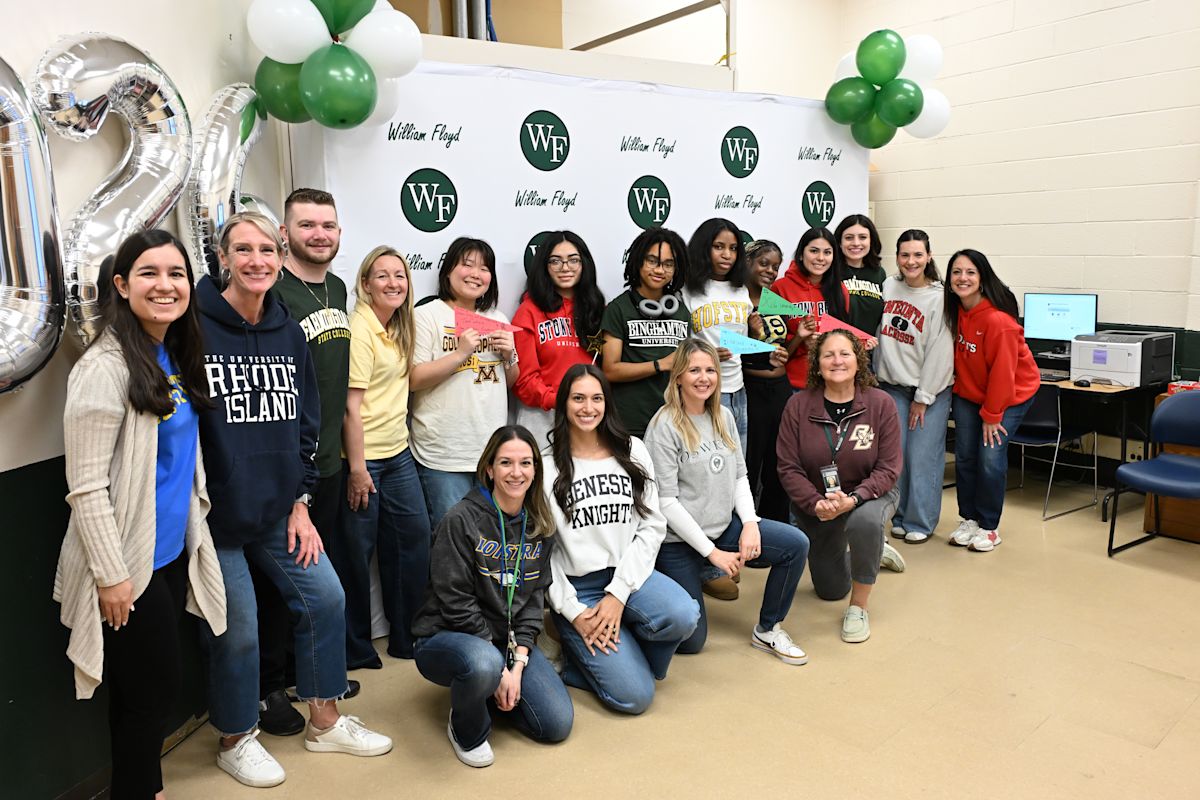
Big school milestones can bring pride, pressure, and a surprising amount of stress. That is why Decision Day 2026 at WFHS Counseling Center matters beyond the photos and sweatshirts. Events like this give seniors a public moment to mark where they are headed next, whether that means college, work, military service, or another path. For students, the emotional payoff is real. Recognition can ease some of the tension that builds during senior year, especially after months of applications, deadlines, and waiting. And for families, it offers a cleaner, healthier way to celebrate progress without turning the moment into a status contest. Look, schools often talk about student support in broad terms. A visible event tied to a major life transition is one of the simplest ways to show that support in practice.
What stands out
- Decision Day 2026 at WFHS Counseling Center puts student transitions in public view, which can strengthen belonging.
- Celebrating post-graduation plans can support student mental health during a high-pressure season.
- The counseling center plays a visible role, which signals that guidance is part of the school experience, not a side office.
- These events work best when they honor every path, not only four-year college commitments.
Why Decision Day 2026 at WFHS Counseling Center matters
Decision Day events may look simple on the surface. Students gather, wear school colors, share plans, and take pictures. But the subtext is larger. Senior spring can feel like the final minutes of a close playoff game, with every choice judged from the stands. A well-run school celebration lowers that heat by turning private anxiety into shared recognition.
That matters because student stress around academic transitions is well documented. The American Psychological Association has repeatedly reported that teens experience high stress tied to school and future planning. The National Alliance on Mental Illness also points to school transitions as periods that can strain mental health. A counseling-centered celebration will not erase that pressure. But it can make support visible, which counts.
Decision Day works best when it says, “Your next step matters,” instead of, “Only one kind of next step counts.”
How the counseling center shapes the message
The phrase Decision Day 2026 at WFHS Counseling Center says something useful on its own. The counseling center is not hidden in the background. It is part of the event identity. That is a solid signal to students who may still be unsure, anxious, or comparing themselves to classmates.
Honestly, that visibility matters more than many school leaders admit. Students notice which offices get the spotlight. When counseling staff help lead a senior milestone, the school is saying that emotional support, planning, and guidance belong at the center of the story.
Why that signal matters for mental health
Recognition reduces isolation. Senior year can split students into winners and losers in their own minds, even when that framing is false. A school event can interrupt that thinking by reminding students they are moving forward as a class, not as a ranking board.
One public ritual can do a lot of quiet work.
And if the celebration includes all postsecondary plans, it helps protect students from the idea that prestige equals worth. That is not a small point. It is non-negotiable.
What schools get right, and wrong, with Decision Day
Some schools run these events with care. Others drift into branding exercises for college admissions optics. You can usually tell the difference fast. Are all student pathways included? Are undecided students treated with respect? Is the event built for students, or for social media?
Here is the practical test.
- Do counselors and staff affirm multiple post-graduation routes?
- Do event materials avoid language that glorifies only selective colleges?
- Do students feel invited even if their plans changed last week?
- Do families see support, not competition, in the school’s tone?
If the answer is yes across the board, the event is doing its job. If not, it risks amplifying the very stress it should reduce.
What families can take from Decision Day 2026 at WFHS Counseling Center
Parents often want to celebrate without adding pressure. That sounds easy, but it is not. A lot of well-meant questions can land badly. “Are you happy with your choice?” can feel supportive. “Why did you pick that school?” can feel like a challenge, depending on the moment.
Here is the better play for families:
- Ask how your student wants to mark the day.
- Focus on effort, growth, and follow-through.
- Avoid comparing one student’s path to another student’s path.
- Make room for mixed feelings. Relief and nerves often show up together.
That last point gets missed. Big milestones are messy (even the happy ones). A student can feel proud, scared, excited, and tired all at once. Why pretend otherwise?
How schools can build on the event
A single celebration is helpful, but it should not stand alone. The strongest schools connect events like this to broader student support. That means clear counseling access, transition workshops, financial aid help, and realistic conversations about the first year after graduation.
Practical next steps for school teams
- Create a follow-up check-in for seniors after Decision Day.
- Offer short sessions on summer transition stress, budgeting, and roommate or workplace expectations.
- Include students heading to community college, trades, employment, service programs, and the military in the same communication stream.
- Train staff to use language that validates all pathways.
That is where an event becomes part of a support system, instead of a one-off celebration. And that distinction matters.
Why inclusive celebration matters more now
Students are making postsecondary choices in a tougher climate. Costs remain high. Family finances are strained in many households. Questions about debt, job markets, and mental health are not abstract. They sit right in the middle of senior year.
So yes, a Decision Day event may seem ceremonial. But ceremonies shape culture. They tell students what the school values, whose achievements count, and whether adults are paying attention. In that sense, the message behind Decision Day 2026 at WFHS Counseling Center is bigger than one day on the calendar.
The part worth watching next
If schools want these celebrations to mean something, they should keep pushing past the photo-op stage. The smart move is simple. Pair public recognition with real support, and make sure every student can see themselves in the event. That is how a senior tradition becomes a healthier model for school culture. The next question is not whether more schools should host Decision Day. It is whether they are ready to do it well.
This article is for educational purposes only and should not be considered medical advice. Always consult a qualified healthcare provider before making decisions about addiction treatment. If you or someone you know is in crisis, call SAMHSA's National Helpline: 1-800-662-4357 (free, confidential, 24/7).