DEA Warns About Nitazenes as Opioid Threat Grows
DEA Warns About Nitazenes as Opioid Threat Grows The opioid crisis keeps changing, and that makes it harder for you to judge risk. A drug that barely…
DEA Warns About Nitazenes as Opioid Threat Grows
The opioid crisis keeps changing, and that makes it harder for you to judge risk. A drug that barely registered in public conversation a few years ago is now drawing urgent attention from federal officials. The latest DEA warning centers on nitazenes, a class of synthetic opioids that can be far stronger than heroin and, in some cases, stronger than fentanyl. That matters right now because the illegal drug supply is unstable, mixed, and often mislabeled. People may think they are buying one substance and get something else entirely. If you follow overdose trends, work in treatment, support a loved one, or simply want a clear read on where the crisis is headed, this shift is worth your time. The names change. The danger does not.
What to watch
- Nitazenes are synthetic opioids linked to rising overdose concern.
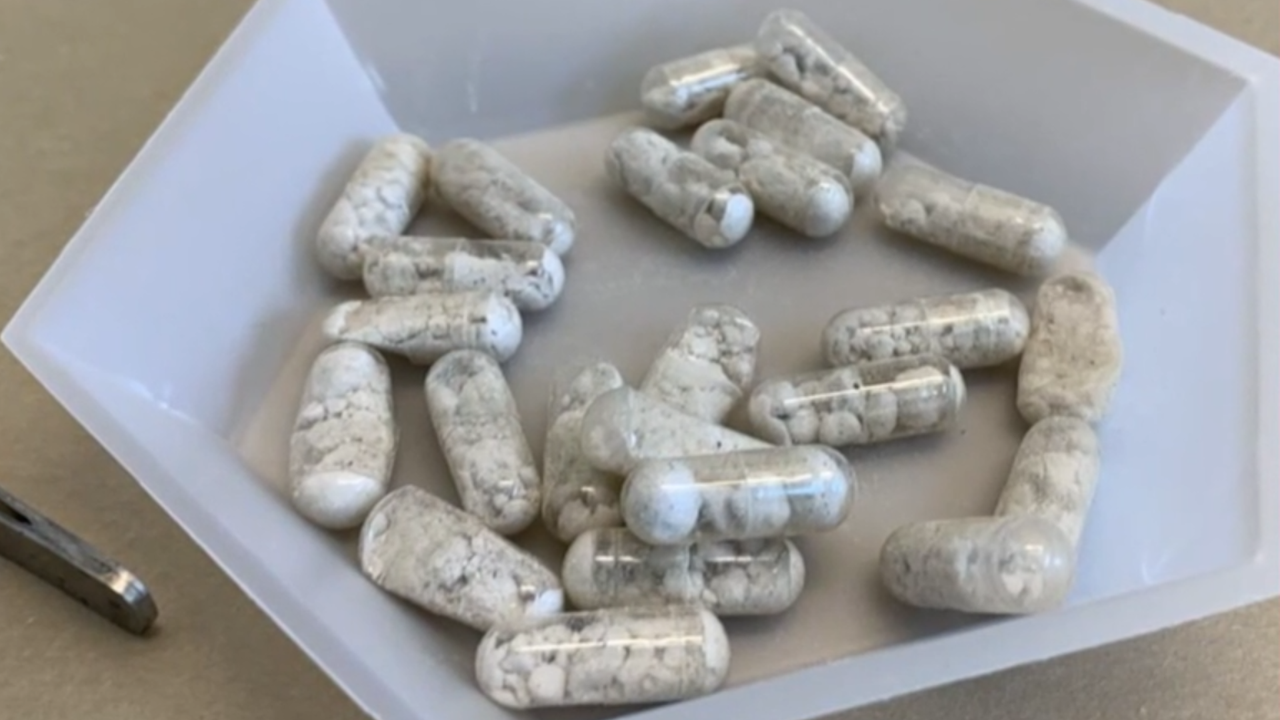
- They may appear in counterfeit pills or mixed drug supplies without the buyer knowing.
- The DEA says this is part of an evolving opioid market, not a separate crisis.
- Fast overdose response, naloxone access, and drug checking matter even more in a mixed supply.
What are nitazenes and why is the DEA warning about nitazenes?
Nitazenes are a class of synthetic opioids first developed decades ago but never approved for medical use in the United States. They are now showing up in the illegal drug market, where potency and purity are anybody’s guess. That is a brutal combination.
The DEA warning about nitazenes reflects a simple fact. Drug traffickers keep shifting formulas, sourcing, and fillers to stay ahead of enforcement and demand. Fentanyl changed the overdose picture. Nitazenes could push it into an even less predictable phase.
Look, potency alone is not the whole story. A strong substance becomes far more dangerous when people do not know it is present, when it is mixed unevenly, or when it shows up in fake prescription pills. That is like swapping a recipe ingredient with industrial solvent and expecting dinner to turn out fine.
“The opioid crisis is evolving” is not a slogan. It means the street supply keeps mutating faster than public awareness does.
Why nitazenes raise the overdose risk
The biggest problem is uncertainty. Some nitazenes are reported to be extremely potent, and tiny amounts can change the effect of a pill or powder. If a person uses based on their past fentanyl tolerance, they may still misjudge the dose.
And many people will not know nitazenes are in the product at all. Counterfeit pills have already blurred the line between prescription-looking drugs and street-manufactured opioids. Add another powerful synthetic into that chain, and overdose risk rises fast.
Mixed supply is the real story.
Public health experts have warned for years that the modern overdose crisis is driven by contamination, substitution, and inconsistent potency. The Centers for Disease Control and Prevention, the DEA, and forensic labs have all tracked how synthetic opioids keep reshaping the market. Nitazenes fit that pattern, but they also sharpen it.
How the opioid market keeps changing
If you have covered this beat long enough, one thing stands out. The market never sits still. Heroin gave way to fentanyl in many regions because fentanyl is cheaper to produce, easier to traffic in tiny quantities, and wildly profitable. Why would that pattern stop now?
Nitazenes may enter the market for similar reasons. They can be blended into other substances, sold as something else, or used to increase perceived strength. But this is where hype can muddy the issue. Nitazenes are not replacing fentanyl overnight. They are adding another layer of risk to an already chaotic supply.
What this means on the ground
- Overdose response gets harder. Bystanders may not know what was taken or how much.
- People in recovery face new exposure risks. A return to use after abstinence is already dangerous. A stronger mixed supply makes it worse.
- Families and clinicians need updated language. Talking only about heroin or fentanyl now misses part of the picture.
- Harm reduction tools become non-negotiable. Naloxone, test strips where available, and clear local alerts save lives.
What should you do about the DEA warning about nitazenes?
If you work in treatment, public health, or family support, this is the practical takeaway. Assume the illegal opioid supply may contain unexpected synthetics. Plan around that reality instead of yesterday’s version of the crisis.
Honestly, this is where policy talk often gets too abstract. People need steps they can use today.
- Carry naloxone and make sure people around you know how to use it.
- Avoid using alone if relapse risk exists. If someone does use, having another person present can save a life.
- Pay attention to local health department and law enforcement alerts about emerging substances.
- Support access to drug checking services and fentanyl test strip programs where legal and available.
- If you are in recovery and feel at risk of return to use, reconnect with treatment, peer support, or a trusted clinician now, not after a scare.
One hard truth sits underneath all of this. The old assumption that people know what they are taking has collapsed.
How families and communities should read this warning
Families often think the biggest danger is a loved one taking “too much” of a known drug. That still happens, of course. But the current threat is often a person taking an unknown mixture sold under a familiar name.
That should change how communities talk about prevention. Education needs to cover counterfeit pills, synthetic opioid contamination, and the speed of overdose. It also needs to drop the moral panic and focus on survival. Fast recognition, naloxone access, and a low-barrier path into treatment matter more than slogans.
And yes, language matters. If your prevention message sounds like it was written in 2016, it is already behind.
What comes next
The DEA warning about nitazenes is a signal that the opioid crisis is still moving under our feet. Expect more attention from toxicology labs, health departments, and front-line providers as they try to measure how widespread these substances really are. Better detection will help, but it will not fix the basic problem of a volatile street supply.
Your best next step is simple. Update your assumptions, keep naloxone close, and treat every unknown pill or powder as a serious overdose risk. The market is changing again. Are public health systems moving fast enough to keep up?
This article is for educational purposes only and should not be considered medical advice. Always consult a qualified healthcare provider before making decisions about addiction treatment. If you or someone you know is in crisis, call SAMHSA's National Helpline: 1-800-662-4357 (free, confidential, 24/7).