DEA Schedule I Ban for Tianeptine: What It Means
DEA Schedule I Ban for Tianeptine: What It Means People are running into a messy problem: a drug sold in convenience stores and gas stations is now at the…
DEA Schedule I Ban for Tianeptine: What It Means
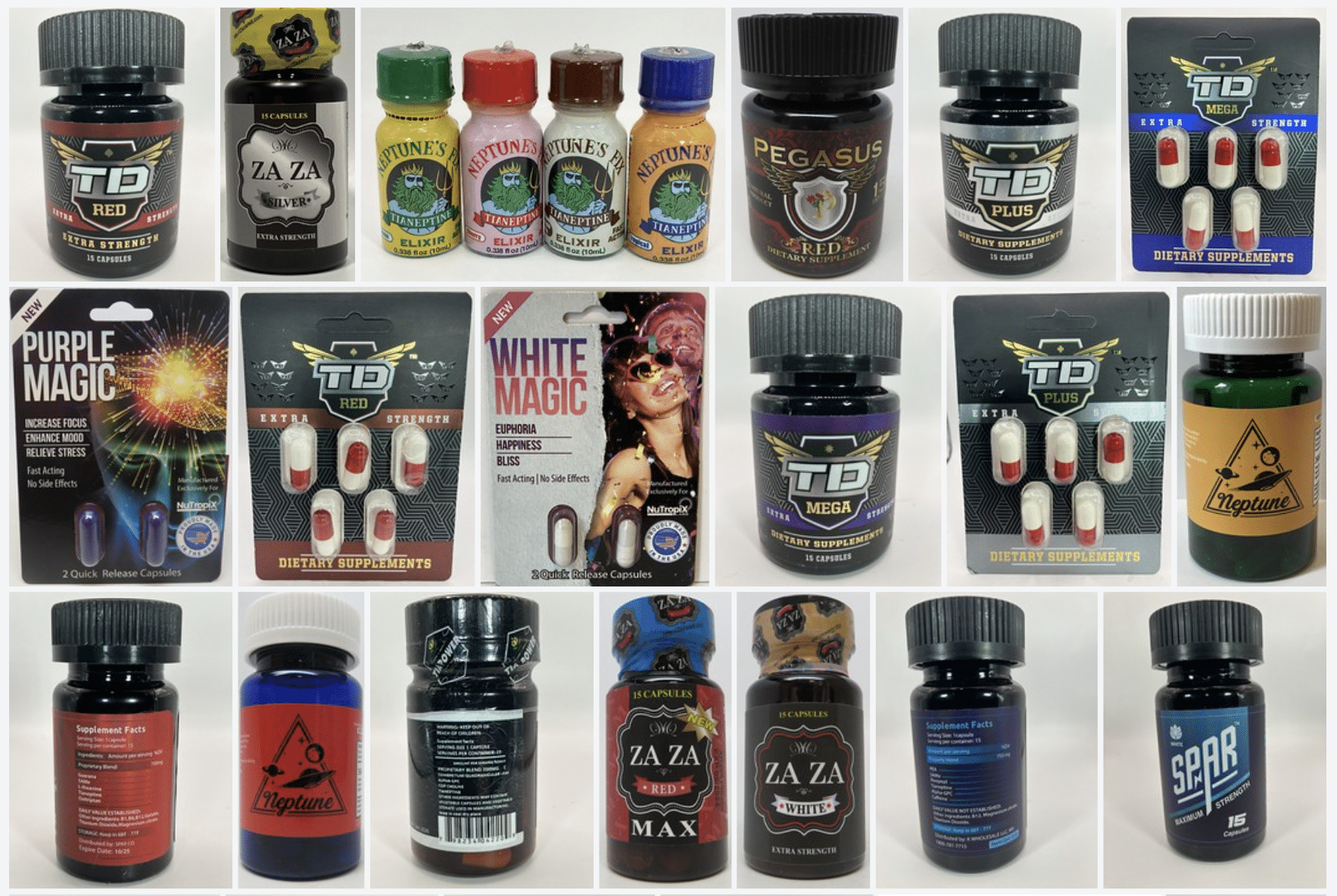
People are running into a messy problem: a drug sold in convenience stores and gas stations is now at the center of a DEA Schedule I proposal. The substance is tianeptine, and the debate around it matters because policy can move faster than public understanding. If you are trying to make sense of the DEA Schedule I ban for tianeptine, you need more than headlines. You need the basics, the risks, and the likely fallout for people who already use it. Why is this drug drawing federal attention now? Because reports of misuse, dependence, and severe withdrawal have piled up while state bans have spread unevenly across the country.
What to know about the DEA Schedule I ban for tianeptine
- Tianeptine is not approved by the FDA for use in the United States.
- It has been sold under names like “gas station heroin,” which tells you a lot about how loosely it has been marketed.
- A Schedule I classification would place it alongside drugs the federal government says have no accepted medical use and a high potential for abuse.
- The change could affect retail sales, law enforcement, and how treatment providers talk with people using it.
- Many people using tianeptine are not looking for trouble. They are often chasing relief, then getting stuck in dependence.
What is tianeptine, exactly?
Tianeptine started as an antidepressant in some countries, but it never won FDA approval in the United States. In smaller doses, it was studied for mood-related effects. At much larger doses, people have used it for opioid-like effects, which is where the trouble starts.
The drug shows up in capsules, tablets, powders, and liquid products sold online or in corner stores. Some products are mislabeled or mixed with other substances. That makes dosing unpredictable, and unpredictability is where overdoses and withdrawal problems grow fast.
The core issue is simple. If a product is easy to buy and hard to measure, people will use more than they intended.
Why the DEA Schedule I ban for tianeptine is happening now
The DEA does not act in a vacuum. State regulators have already moved against tianeptine in many places, and poison center calls have added pressure. Reports from the National Poison Data System have documented rising concerns over adverse effects tied to the drug, especially when people take large amounts or combine it with other substances.
Federal scheduling is a blunt tool. It can reduce retail availability, but it does not erase demand. And that matters. People do not stop using a substance just because a label changes. They shift to other sellers, other products, or riskier patterns of use.
Think of it like blocking one lane on a highway without changing the traffic pattern. The cars do not disappear. They jam somewhere else.
What Schedule I would change for users and families
If the DEA finalizes a Schedule I move, tianeptine would become much harder to sell legally at the federal level. That could push gas station and convenience store products off shelves. It could also give law enforcement more tools to target distribution.
For families, the immediate effect may be clearer labels from retailers and fewer random encounters with the drug. For people already using tianeptine, the effect may be more complicated. Some may lose access overnight, which can trigger withdrawal. Others may move to illicit sources or start buying look-alike products online.
That is the hard truth. Supply control alone does not solve dependence.
What withdrawal can look like
People reporting tianeptine withdrawal often describe symptoms that resemble opioid withdrawal. That can include anxiety, sweating, insomnia, stomach distress, and intense cravings. The severity varies, but the pattern is familiar to addiction clinicians.
Families sometimes mistake this for a mood crash or a flu-like illness. Then the cycle repeats. Someone uses again just to feel normal. That is how a convenience-store drug becomes a full-time problem.
How should treatment and harm reduction respond?
Start with the obvious: do not assume the person using tianeptine knows the risks. Many do not. Some learned about it from social media, vape shop chatter, or word of mouth at a gas station counter. That is a thin education system for a drug with real dependence potential.
- Ask direct questions. If you are worried about a family member, ask what product they are taking, how often, and whether they mix it with alcohol, benzodiazepines, or opioids.
- Watch for withdrawal patterns. Repeated sweats, agitation, and restless behavior can signal a problem that needs medical attention.
- Use poison control fast. In the United States, call 1-800-222-1222 if someone has taken too much or has troubling symptoms.
- Support treatment without shame. People who get hooked on tianeptine often need the same kind of care used for other substance use disorders, including assessment, counseling, and in some cases medication support.
Harm reduction matters here because the market is messy. People need clear information about product risks, dose uncertainty, and dangerous combinations. They also need a way back if they are already dependent.
Will a ban fix the problem?
No. Not by itself. A federal ban can shut one door, but it can also create new pressure points. That is why smart policy should pair enforcement with education, poison center reporting, and treatment access.
The bigger question is whether officials will treat this as a supply issue only, or as a public health issue with a dependence component. If the response is all hammer and no follow-through, people will still get hurt. Just in different places.
If you are tracking this now, watch what happens in states that already restricted tianeptine. Those outcomes will tell you more than any press release. And the real test is still ahead: can regulators reduce harm without pushing users further underground?
mainKeyword: DEA Schedule I ban for tianeptine
This article is for educational purposes only and should not be considered medical advice. Always consult a qualified healthcare provider before making decisions about addiction treatment. If you or someone you know is in crisis, call SAMHSA's National Helpline: 1-800-662-4357 (free, confidential, 24/7).