DEA Fentanyl Shipments Investigation: What It Means
DEA Fentanyl Shipments Investigation: What It Means You want straight answers about the DEA fentanyl shipments investigation because the stakes are obvious.…
DEA Fentanyl Shipments Investigation: What It Means
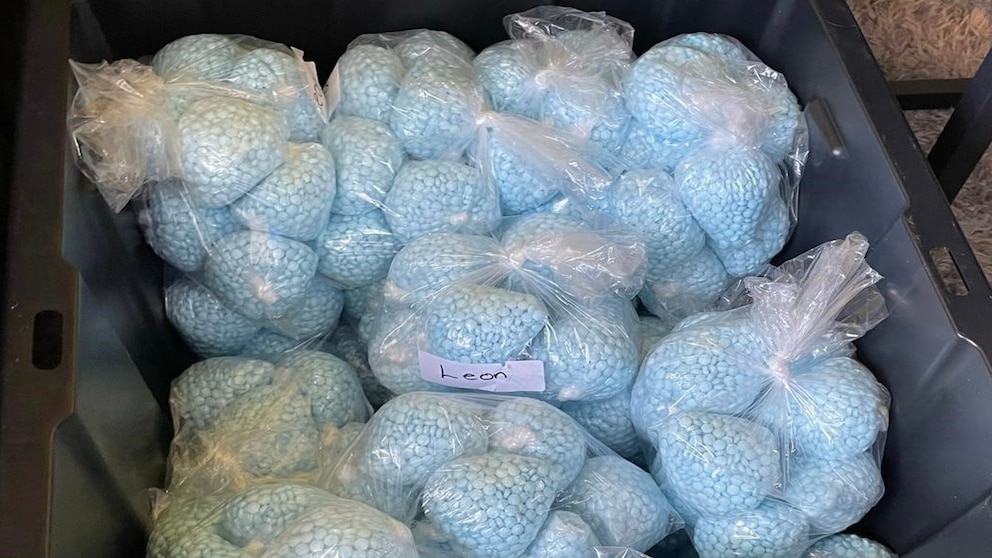
You want straight answers about the DEA fentanyl shipments investigation because the stakes are obvious. Fentanyl is still driving overdose deaths, and every new claim about seized shipments, smuggling routes, or enforcement wins can shape policy fast. But the real question is simpler. What does this investigation actually show, and what does it leave out?
The reporting around this case points to a familiar pattern. Large seizures get big headlines, agencies point to disrupted supply, and the public is left to guess how much impact that work really has. If you care about drug policy, treatment access, or harm reduction, that gap matters. A seizure is not the same thing as reducing overdose risk, and those two ideas often get blurred. Here is the thing. That blur changes how resources get spent.
What stands out in the DEA fentanyl shipments investigation
- Shipments can be tracked, but the supply rarely stops cleanly. Routes shift fast.
- Headline seizures do not show the full market. One bust can leave the larger chain intact.
- Enforcement data can miss human impact. Overdose prevention is a separate problem.
- Interdiction works best when paired with treatment and naloxone access. Alone, it has limits.
Why the DEA fentanyl shipments investigation matters now
Fentanyl is small in volume and huge in danger. That makes shipment-based enforcement appealing to agencies because the product is easier to conceal and harder to predict than older street drugs. But that same trait also means interdiction can look dramatic without changing the broader market very much.
Think of it like trying to stop water through a leaky roof with one bucket. You can catch some of it. You will not fix the roof unless you address the structure itself. Drug supply chains work the same way. Pressure at one point can move the problem to another port, another border crossing, or another broker.
The central problem is not whether shipments can be seized. It is whether seizure data tells you anything honest about overdose trends, market adaptation, or public safety.
What the reporting suggests about enforcement limits
The investigation raises a hard issue for the DEA and for policymakers who rely on its numbers. Drug seizures are concrete. Public health outcomes are messier. That gap makes it easy for agencies to claim progress while communities still face the same overdose risk.
Why does that happen? Because enforcement metrics are easy to count. Overdoses prevented, treatment retained, and naloxone used are harder to tie to one operation or one agency. But if policy rewards the easiest numbers, you get a system that prizes arrests and interdictions over outcomes.
What the public should look for
- Evidence of downstream impact. Did deaths, emergency calls, or hospitalizations fall?
- Signs of displacement. Did routes, vendors, or packaging methods change?
- Coordination with health services. Were treatment referrals or naloxone efforts part of the response?
- Transparency in data. Are the numbers independently verifiable?
How this connects to overdose prevention
People often treat enforcement and prevention like they belong on separate teams. They do not. A fentanyl shipment case matters most if it helps reduce exposure, give people more time to access care, or interrupt a particularly dangerous batch. That is the public health standard, not the press release standard.
And that brings us to a practical point. If you are reading about a seizure or an investigation, ask what changed for people on the ground. Did naloxone get distributed faster? Did outreach teams get more support? Did treatment waitlists shrink? If the answer is no, the story may be larger in politics than in protection.
One sentence matters here.
What a smarter response would look like
A better response to fentanyl shipments is not mysterious. It needs enforcement, but it also needs public health infrastructure that can absorb the shock of a shifting market. That means more naloxone, low-barrier treatment, drug checking where legal, and better local data sharing between health departments and emergency responders.
It also means measuring success differently. A strong system would ask whether fewer people die, whether fewer people use alone, and whether more people can reach medication for opioid use disorder. Those are the outcomes that count. Not just how many boxes were opened at the border.
Honestly, that is the part lawmakers keep dodging. They like the certainty of seizures. They like the optics. But fentanyl policy is not a photo op. It is closer to building fire codes than hosting a parade. You do not brag about the number of alarms installed if the building still burns.
What you should take from this investigation
The DEA fentanyl shipments investigation should not be read as proof that enforcement is working on its own. It should be read as another reminder that supply control is only one tool, and maybe not the strongest one when used alone. The more useful question is whether officials are willing to match enforcement with harm reduction at the same scale.
That is where the next fight is. Will agencies keep counting seizures, or will they start measuring whether people stay alive long enough to get help?
What comes next for fentanyl policy
Watch for two things. First, whether officials release enough detail to let outside analysts test the claims. Second, whether local responses shift toward treatment and overdose prevention after the headlines fade. Without those changes, the same story will repeat with a new shipment, a new route, and the same predictable damage.
And if that sounds familiar, it should. The question now is not whether the next bust will happen. It is whether anyone in power is ready to build something that lasts longer than the news cycle.
This article is for educational purposes only and should not be considered medical advice. Always consult a qualified healthcare provider before making decisions about addiction treatment. If you or someone you know is in crisis, call SAMHSA's National Helpline: 1-800-662-4357 (free, confidential, 24/7).