DEA Ban on 7-OH Products: What It Means
DEA Ban on 7-OH Products: What It Means The DEA move to ban 7-OH products puts a fast-growing part of the supplement and vape market under a harsher spotlight.…
DEA Ban on 7-OH Products: What It Means
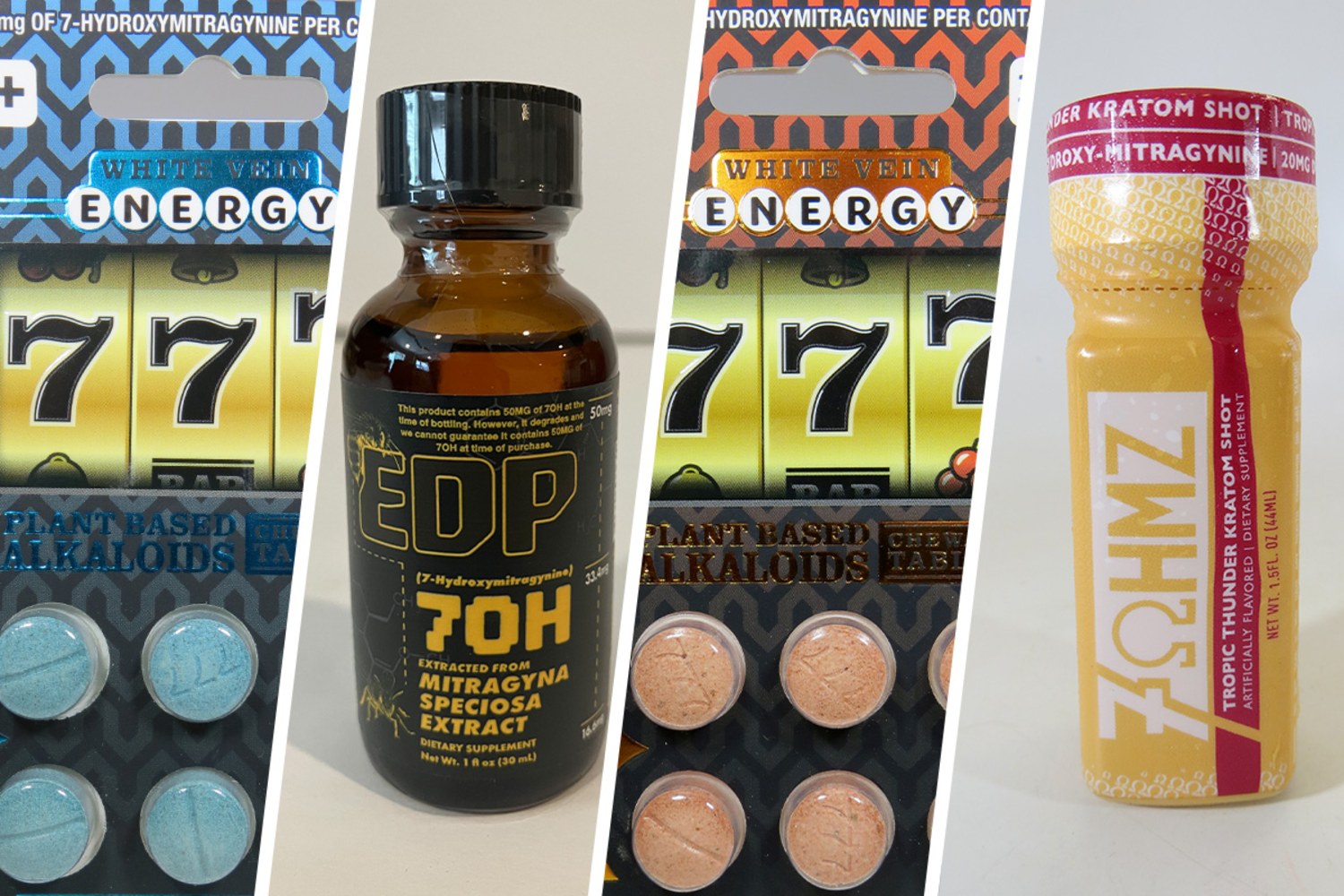
The DEA move to ban 7-OH products puts a fast-growing part of the supplement and vape market under a harsher spotlight. If you have seen these items sold as wellness aids or legal alternatives, the change matters now because the line between marketing and drug policy is getting much thinner. 7-OH products have drawn concern from regulators for a reason. They sit in a messy space where product claims, dosing, and real-world risk do not always match what buyers expect. What happens when a substance sold as “natural” starts looking like a public health problem? That is the question behind this shift, and it is one families, clinicians, and retailers cannot afford to ignore.
What stands out about the DEA move on 7-OH products
- Regulators are treating 7-OH products as a serious drug-policy issue.
- Consumers may face fewer legal retail options and more product uncertainty.
- Brands that rely on vague labeling could face the hardest fallout.
- People using these products for self-treatment should talk with a clinician.
Why the 7-OH products crackdown matters now
7-OH products have often been sold in smoke shops, online stores, and wellness channels with little consistency in labeling or testing. That creates a familiar problem. People buy one bottle or vape cartridge expecting a predictable effect, then find out the contents and potency can vary from batch to batch. Does that sound like a safe market to you?
The DEA action matters because federal scheduling and enforcement pressure can change how these products are made, sold, and advertised. Retailers may pull inventory quickly. Some brands may try to relabel or reformulate. But that does not fix the core issue, which is weak consumer protection. A product can look polished on a shelf and still be a bad bet.
“The biggest risk is not just what is in the product. It is what the buyer thinks is in the product.”
What are 7-OH products, exactly?
7-OH usually refers to 7-hydroxymitragynine, a compound linked to kratom. The compound has drawn attention because it may produce stronger opioid-like effects than people expect from products marketed as herbal or mild. That gap between label and effect is where trouble starts.
Some products may contain concentrated extracts, blends, or additives that are not obvious to the buyer. Others may be sold with health claims that are not backed by solid evidence. And once a product enters that gray zone, the risk is not just legal. It is practical. People may dose too often, combine it with alcohol or sedatives, or use it to self-manage pain or withdrawal without understanding the fallout.
How the DEA ban on 7-OH products could affect you
If you buy these products
You may see products disappear from shelves, shipping delays, or new warning language. Some sellers may pivot fast and keep making claims that sound safer than the evidence supports. Be careful with that. A new label does not mean a new risk profile.
If you are a parent or partner
Watch for products in plain packaging, powder containers, disposable vapes, or bottles with kratom-adjacent branding. Hidden use is common when people think a product is “not really a drug.” That belief can change quickly if tolerance, withdrawal, or dependence shows up.
If you work in health care or recovery services
Ask direct questions about kratom, extracts, and 7-OH use. Many patients will not volunteer the information unless you name the product. That matters because treatment planning can shift when a person is using a substance with opioid-like effects.
What this says about the bigger market
The DEA move is part of a broader crackdown on products that arrive in the market faster than regulators can sort out their safety profile. It is a bit like a building inspection that comes after the tenants have moved in. By then, the cracks are already showing.
And that is the real story here. Not just one compound, but the business model around it. Brands often move first, rules follow later, and consumers absorb the risk in the middle. That is a bad system for anyone looking for relief, whether it is pain, stress, or withdrawal.
- Check labels closely. Look for kratom extract, 7-hydroxymitragynine, or vague “enhanced” formulas.
- Do not mix substances. Alcohol, benzodiazepines, and opioids raise the stakes.
- Talk to a professional. If you are using these products for pain or to cut down on another drug, get real guidance.
- Save product packaging. If there is a reaction, the label and lot number can help identify what happened.
What to watch next for 7-OH products
Policy changes rarely land in one clean step. You may see agency guidance, retailer pullbacks, lawsuits, or more state-level action. Some sellers will push hard to stay in the market. Others will exit fast. Either way, the key question is simple: will consumers get clearer information, or just a different brand name on the same problem?
If you are tracking this issue for your family or your clinic, watch for shifts in labeling, testing standards, and poison center reports. Those are the signals that matter. Not the marketing spin.
A sharper question for the road ahead
Regulators can ban a product line, but they cannot erase the demand that created it. If people are turning to 7-OH products for pain, anxiety, or withdrawal relief, the next move has to address that need too. Otherwise the market will just rename itself and come back through another door. What will replace it, and will it be safer than what came before?
This article is for educational purposes only and should not be considered medical advice. Always consult a qualified healthcare provider before making decisions about addiction treatment. If you or someone you know is in crisis, call SAMHSA's National Helpline: 1-800-662-4357 (free, confidential, 24/7).