Cychlorphine Deaths: What the Latest Warnings Mean
Cychlorphine Deaths: What the Latest Warnings Mean You may be hearing a new drug name tied to overdose alerts, and the timing matters. Cychlorphine deaths are…
Cychlorphine Deaths: What the Latest Warnings Mean
You may be hearing a new drug name tied to overdose alerts, and the timing matters. Cychlorphine deaths are now part of a wider warning about synthetic opioids showing up in toxicology reports, according to Newsweek reporting on state-level death data. The hard part for families, outreach workers, and people who use drugs is that new substances often spread before most people know the name. That delay can be deadly. Cychlorphine is being discussed alongside other lab-made opioids because small changes in chemistry can change potency, detection, and overdose risk. If you are trying to understand what this means for your community, skip the panic and focus on the practical question. How do you reduce risk when the drug supply keeps changing faster than public health messaging?
What Matters Right Now
- Cychlorphine deaths point to a fast-moving synthetic opioid threat, not a routine drug trend.
- People may not know they are taking cychlorphine if it is mixed into counterfeit pills, powder, or other opioids.
- Naloxone can still be the right first response for a suspected opioid overdose, but emergency care is still needed.
- Drug checking, local alerts, and never using alone can lower risk, even when the exact substance is unknown.
Why Cychlorphine Deaths Are Getting Attention
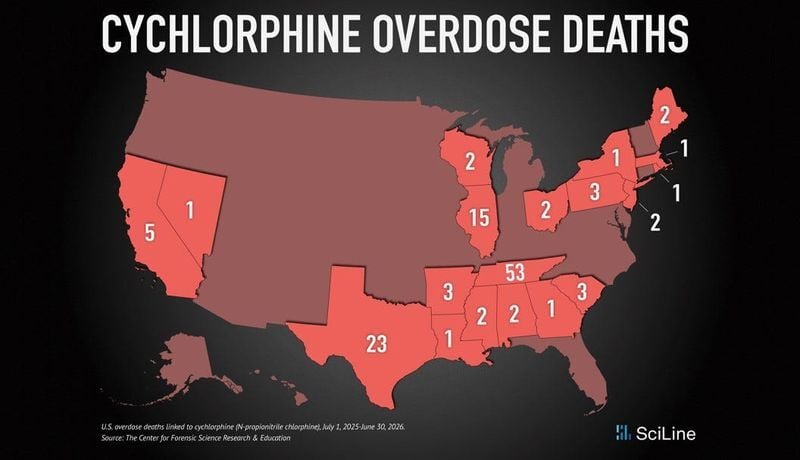
Newsweek reported on a map of states with cychlorphine-related deaths amid warnings about the substance. That kind of map is useful because it shows spread, but it can also create a false sense of distance. If your state is not highlighted today, that does not mean the local supply is safe tomorrow.
Synthetic opioids do not respect county lines. A batch can move through street sales, social networks, mailed packages, and counterfeit pill markets in days. I have covered drug alerts long enough to know the pattern. First, toxicologists spot an odd signal. Then medical examiners confirm cases. Public warnings arrive after harm has already happened.
By the time a new synthetic opioid appears in public death data, outreach workers should treat it as a present risk, not a distant warning.
What Is Cychlorphine?
Cychlorphine is described in public reporting as a synthetic opioid, which means it is made through chemical processes rather than derived directly from the opium poppy. Details about newer synthetic opioids can be limited because forensic labs often identify them before clinicians or public health agencies have deep human data.
That uncertainty is part of the danger. With fentanyl, many communities now understand the basic risk. With newer opioids, potency, duration, and interactions may be less familiar. Users may think they are buying heroin, fentanyl, oxycodone, or another pill, while the actual contents include something different.
Speed matters.
Cychlorphine Deaths and the Counterfeit Pill Problem
Counterfeit pills are one of the most worrying routes for any new opioid. A pill can look like a pharmacy product and still contain fentanyl, nitazenes, xylazine, cychlorphine, or a changing mix of substances. The stamp on the tablet is not proof of what is inside.
This is where hype gets people hurt. Some headlines make every new synthetic opioid sound like a monster from a lab. The more useful truth is simpler and more stubborn. The unregulated drug supply is inconsistent, and inconsistency kills.
Why testing one pill may not be enough
One pill from a bag does not always represent the next pill. Powders can have hot spots, where a potent opioid is unevenly mixed. Think of it like seasoning a soup badly. One spoonful tastes bland, the next burns your mouth. With opioids, that uneven mix can stop breathing.
How to Respond to a Suspected Cychlorphine Overdose
If someone is unresponsive, breathing slowly, turning blue or gray, choking, or making gurgling sounds, treat it as a medical emergency. Do not wait to identify the drug. You will not solve a toxicology puzzle in the moment, and the person needs oxygen.
- Call emergency services right away.
- Give naloxone if you have it.
- Start rescue breathing or CPR if trained, and follow dispatcher instructions.
- Place the person on their side if they are breathing but unresponsive.
- Stay until help arrives, if you can do so safely.
Naloxone is used for opioid overdose, including fentanyl-related overdose, according to public health guidance from agencies such as the CDC. Some overdoses may need more than one dose, especially with potent opioids or mixed substances. But naloxone is not a replacement for medical care. Breathing can slow again after a temporary reversal.
Practical Harm Reduction for Cychlorphine Risk
You cannot control the entire drug supply. You can control some choices around timing, setting, dose, and backup. Those choices matter, even if they feel small.
- Carry naloxone. Keep it where people can find it fast, not buried in a backpack.
- Do not use alone. If you do, consider a trusted check-in call or an overdose prevention hotline where available.
- Start with a smaller amount. This does not make use safe, but it can reduce exposure to an unexpectedly potent batch.
- Avoid mixing depressants. Alcohol, benzodiazepines, and opioids can combine to slow breathing.
- Use drug checking services if available. Fentanyl test strips may not identify every synthetic opioid, but local drug checking programs can sometimes provide broader information.
- Watch local alerts. Health departments, harm reduction groups, and medical examiner offices may spot patterns before national headlines do.
Here is the thing. Harm reduction is often framed as permissive by people who have never stood near an overdose. In practice, it is more like good sideline medicine in sports. You do not need to endorse the injury to stop the bleeding.
What Families Should Say Instead of Panicking
If you are worried about someone, skip the lecture. Ask direct questions and make help easier to accept. Shame pushes people into secrecy, and secrecy is dangerous with a volatile drug supply.
Try saying, “I’m not here to judge you. I want you alive. Do you have naloxone, and can we make a plan if something goes wrong?” That kind of conversation is not soft. It is practical.
Signs someone may need more support
Look for missed work, withdrawal from family, sudden money problems, unexplained sleepiness, or repeated use despite harm. None of these proves cychlorphine exposure. They do suggest it is time to talk, offer treatment options, or connect with a local harm reduction group.
Treatment can include medications for opioid use disorder, such as buprenorphine or methadone, which have strong evidence behind them. Counseling and peer support can help too, but medication access is often the difference between cycling through withdrawal and getting stable.
Reading the Cychlorphine Deaths Map Without Getting Misled
A map can show where deaths have been recorded, but it cannot show every near-miss, every untested case, or every substance currently moving through a city. Toxicology testing also varies by jurisdiction. Some places have more resources and faster reporting than others.
So what should you do with the map? Use it as a smoke alarm, not a weather report. If cychlorphine has appeared in one region, nearby areas should prepare naloxone supplies, update outreach messaging, and improve testing access before the case count climbs.
The Next Smart Step
Cychlorphine may become a short-lived signal, or it may become part of the rotating mix of synthetic opioids that keeps public health teams on edge. Either way, the response should be boring and fast. More naloxone, better drug checking, honest warnings, and treatment without red tape.
If you are reading this because you are worried about yourself or someone close to you, do one concrete thing today. Get naloxone, check your local health department alerts, or call a treatment provider and ask what same-week help is available.
This article is for educational purposes only and should not be considered medical advice. Always consult a qualified healthcare provider before making decisions about addiction treatment. If you or someone you know is in crisis, call SAMHSA's National Helpline: 1-800-662-4357 (free, confidential, 24/7).