CT Methadone Vans and Mobile Treatment Access
CT Methadone Vans and Mobile Treatment Access People who need methadone often face a brutal routine. They must get to a clinic early, line up, and do it again…
CT Methadone Vans and Mobile Treatment Access
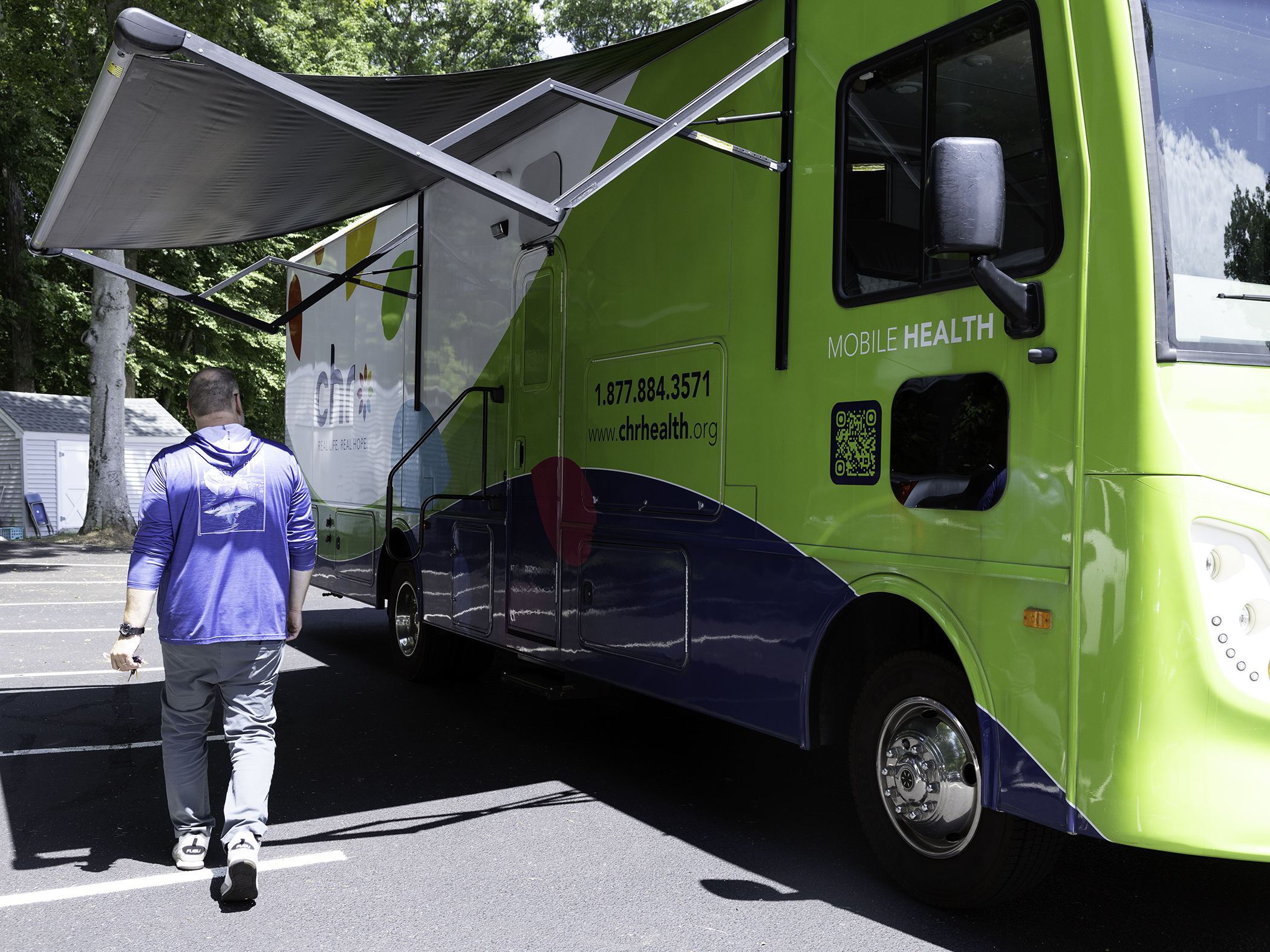
People who need methadone often face a brutal routine. They must get to a clinic early, line up, and do it again the next day, even when work, childcare, illness, or transportation get in the way. That is why CT methadone vans matter right now. They are not a gimmick. They are a direct response to a system that still asks too many people in opioid treatment to build their lives around a single building and a fixed schedule.
The idea is simple. Bring treatment closer to the person instead of forcing the person to travel to treatment. That sounds basic, but basic can be seismic when you are dealing with opioid use disorder, a relapse risk, and the daily math of getting through the morning. Can a van fix every access problem? No. But it can remove one of the hardest ones.
Connecticut has spent years wrestling with overdose deaths, treatment gaps, and the stubborn stigma around methadone. Mobile dosing will not solve those alone. But it can change the first mile, and for many people, that is the mile that decides whether care starts at all.
What CT methadone vans change
- They cut travel barriers. Patients in rural areas or transit deserts no longer need to make long daily trips just for dosing.
- They can improve retention. People are more likely to stay in treatment when the process is easier to keep up with.
- They reduce friction around work and family. A van can fit into a workday better than a clinic trip across town.
- They may lower early dropout. The first weeks of methadone treatment are often the hardest to sustain.
- They shift care into the community. That matters for patients who avoid clinics because of stigma or prior bad experiences.
Why methadone access has been so rigid
Methadone is heavily regulated in the United States. In most cases, it must be dispensed through certified opioid treatment programs, not a regular pharmacy. Federal rules have long shaped how often patients must appear in person, especially at the start of treatment.
That structure was built around control and safety. Those goals matter. But the system also creates a blunt problem. If you cannot get to the clinic, the treatment does not happen. It is a little like designing a stadium with one tiny gate and then acting surprised when the crowd jams at kickoff.
The real test is not whether mobile methadone is novel. The real test is whether it gets more people into care without adding new barriers that erase the convenience.
How CT methadone vans could work in practice
Mobile units are usually not rolling standalone clinics in the movie sense. They are more often tightly controlled extensions of an existing treatment program. Staff, storage, medication handling, patient verification, and reporting all have to be lined up carefully.
That means the van has to do more than drive. It has to stay secure, document dosing correctly, and operate within federal and state requirements. It also has to fit into a treatment model that still relies on clinical oversight. The vehicle is only one part of the system. The workflow is the real machine.
Where the model may help most
- Rural towns. Patients may live far from the nearest opioid treatment program.
- Urban neighborhoods with weak transit. A short trip can still be a hard trip.
- People rebuilding after relapse. Getting to the clinic every day can be the thing that breaks momentum.
- Patients with unstable housing. A van can reduce the chance that one missed ride becomes a missed week.
Think of it like a food truck serving dinner to people who cannot get to the restaurant. Same meal. Different access point. That difference can decide who eats and who goes without.
What the data around mobile treatment suggests
Research on low-barrier treatment keeps pointing in the same direction. When people can start care faster and keep attending with fewer logistical hurdles, engagement tends to improve. Federal agencies and treatment experts have also increasingly supported mobile health models for opioid use disorder because the access problem is so obvious.
That does not mean every mobile program performs well. Quality matters. Staffing matters. Patient selection matters. A van parked in the wrong place, on the wrong schedule, with weak follow-up can become a symbol instead of a solution. And symbolism does not keep people in treatment.
The strongest version of the model is one that connects mobile dosing to counseling, case management, and a clear path back to a brick-and-mortar clinic when needed. Without that bridge, the program can become too thin to hold people up.
What patients and families should ask
If you are looking at a mobile methadone option, do not stop at the headline. Ask how the program works day to day. The details matter more than the pitch.
- How often does the van come to each site?
- Who can use it, and who still has to travel to a clinic?
- What happens if the van is late, full, or temporarily out of service?
- How are dose changes handled?
- Can the program connect you to counseling, primary care, or social services?
Those questions are plain, but they cut through the noise. A good program will answer them clearly. A weak one will lean on vague promises.
Why this matters beyond one state
Connecticut is not the only state trying to widen access to methadone. But every working model adds pressure on the old assumption that opioid treatment must stay fixed in one place. That assumption has been expensive. It has kept people out of care, slowed reentry after relapse, and made treatment harder than it needs to be.
Mobile dosing will not erase the need for clinics, counselors, or careful medical oversight. It should not. But it may force a more honest question about how much inconvenience we are willing to build into treatment before we call it care.
Where CT methadone vans go next
The next phase will be about execution, not slogans. If Connecticut wants this to work, it will need steady funding, clear rules, and close monitoring of outcomes like retention, missed doses, and patient experience. That is the part that separates a pilot from a policy.
And here is the bigger point. If a van can help someone show up tomorrow, then the system should probably have done this sooner. What other treatment barriers are still hiding in plain sight?
This article is for educational purposes only and should not be considered medical advice. Always consult a qualified healthcare provider before making decisions about addiction treatment. If you or someone you know is in crisis, call SAMHSA's National Helpline: 1-800-662-4357 (free, confidential, 24/7).