Congress Bill Targets Hospital Fentanyl Testing
Congress Bill Targets Hospital Fentanyl Testing Hospitals are still missing fentanyl in too many overdose cases, and that gap can change treatment fast. The…
Congress Bill Targets Hospital Fentanyl Testing
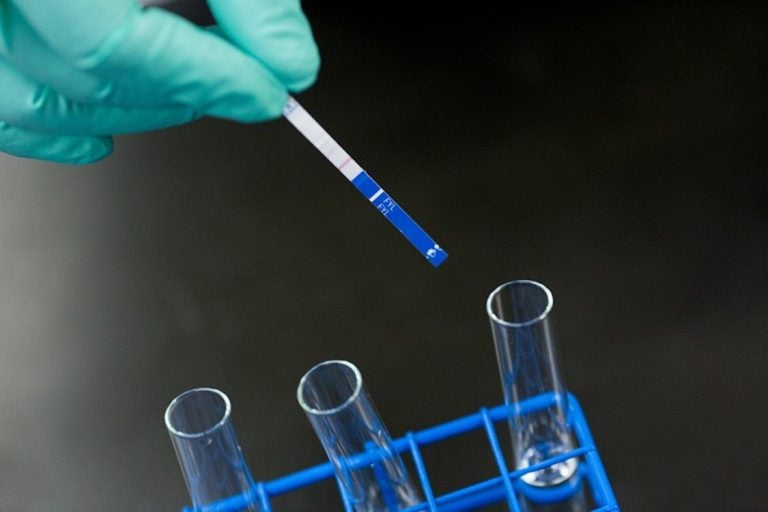
Hospitals are still missing fentanyl in too many overdose cases, and that gap can change treatment fast. The new push for hospital fentanyl testing matters because a patient who looks stable on paper may actually be at risk if the drug was never identified. That affects the care team, the discharge plan, and whether someone gets the right follow-up after a crisis. If you have ever wondered why a person can survive an overdose and still be sent home without a clear explanation, this is part of the answer. The bill now in Congress is trying to close that gap by making fentanyl testing more common in hospital settings. That sounds technical. It is not. It is a basic safety issue.
What hospital fentanyl testing would change
- Better diagnosis: Standard opioid screens often miss fentanyl unless a separate test is ordered.
- Faster treatment decisions: Clinicians can respond with clearer information about overdose risk.
- Stronger discharge planning: Knowing fentanyl was involved can shape naloxone access and referrals.
- More accurate data: Hospitals and public health teams get a clearer picture of overdose trends.
Why standard tests keep failing patients
Most routine hospital toxicology panels were built for older opioids. Fentanyl is synthetic, potent, and often invisible to the basic test that many emergency rooms still rely on. So a patient can arrive after an overdose, test negative for opioids, and leave behind a false sense of certainty. That is like checking one room in a house fire and declaring the whole building safe.
Look, this is not a small lab quirk. It affects triage, documentation, and treatment decisions. It also affects families, who may hear one thing from the hospital and another from the medical examiner later.
Why the mainKeyword debate matters now
The push for hospital fentanyl testing comes as fentanyl remains a major driver of overdose deaths in the United States, according to federal data from the Centers for Disease Control and Prevention. When hospitals miss it, they miss part of the story of why someone collapsed, what they were exposed to, and what they may need next. That matters even more in mixed-drug overdoses, where fentanyl can be present with stimulants, benzodiazepines, or xylazine.
And here is the practical point. If a hospital cannot name the drug, it cannot fully prepare the next step. What good is a treatment plan built on a half-read chart?
Testing is not just about labeling the overdose. It is about giving clinicians enough information to make the next decision with less guesswork.
What the bill is trying to fix
The proposal would push hospitals toward more consistent fentanyl testing, which could mean better protocols, better access to assay tools, and fewer missed cases. The details matter because hospitals do not all operate the same way. Some already test for fentanyl when the case calls for it. Others still depend on limited panels or send-out testing that takes too long to help in real time.
That patchwork creates uneven care. A hospital in one county may catch fentanyl exposure fast, while another hospital down the road may never know it was there. That kind of inconsistency should bother anyone who cares about emergency medicine.
Where hospitals run into trouble
- Equipment limits: Some hospitals do not have rapid fentanyl assays on site.
- Cost concerns: Administrators may hesitate to expand testing without a clear payment path.
- Workflow friction: Emergency departments move fast, and staff will not use a test that is slow or clunky.
- Training gaps: If clinicians do not trust the result or know when to order it, the test sits unused.
Why this is about more than overdose care
Hospital fentanyl testing can also improve public health reporting. Better detection helps track what is actually in the drug supply. It can show whether fentanyl is appearing alone or with other substances that change overdose presentation. That kind of detail is useful for hospitals, researchers, and local health departments trying to respond to a moving target.
There is also a family angle that gets ignored too often. When relatives are trying to understand what happened, vague language does not help. Clear testing can reduce confusion, and sometimes it can prevent harmful assumptions about the person who overdosed.
What to watch next
The real test is not whether Congress can name the problem. It is whether the bill leads to testing that is fast enough, affordable enough, and easy enough for emergency departments to use. If the policy pushes hospitals toward the right tools, patients may get better care and better follow-up after an overdose. If it only adds another mandate without support, many hospitals will keep doing what they already do.
That is the question now. Will lawmakers back the testing infrastructure, or just applaud the idea of it?
What hospitals should do before the law catches up
Even before federal rules change, hospitals can review their overdose protocols, check which toxicology panels miss fentanyl, and make sure clinicians know when a separate test is needed. They can also tighten discharge steps so suspected fentanyl exposure triggers naloxone counseling and referral options. Small fixes matter here. They can save time in the one place time is always short.
And if you work in health care, this is the moment to ask your lab a direct question: when a patient comes in with a suspected opioid overdose, are you actually testing for fentanyl?
This article is for educational purposes only and should not be considered medical advice. Always consult a qualified healthcare provider before making decisions about addiction treatment. If you or someone you know is in crisis, call SAMHSA's National Helpline: 1-800-662-4357 (free, confidential, 24/7).