Community Building in Prison and Recovery
Community Building in Prison and Recovery Isolation makes everything harder. It sharpens stress, feeds shame, and strips away the habits people need to stay…
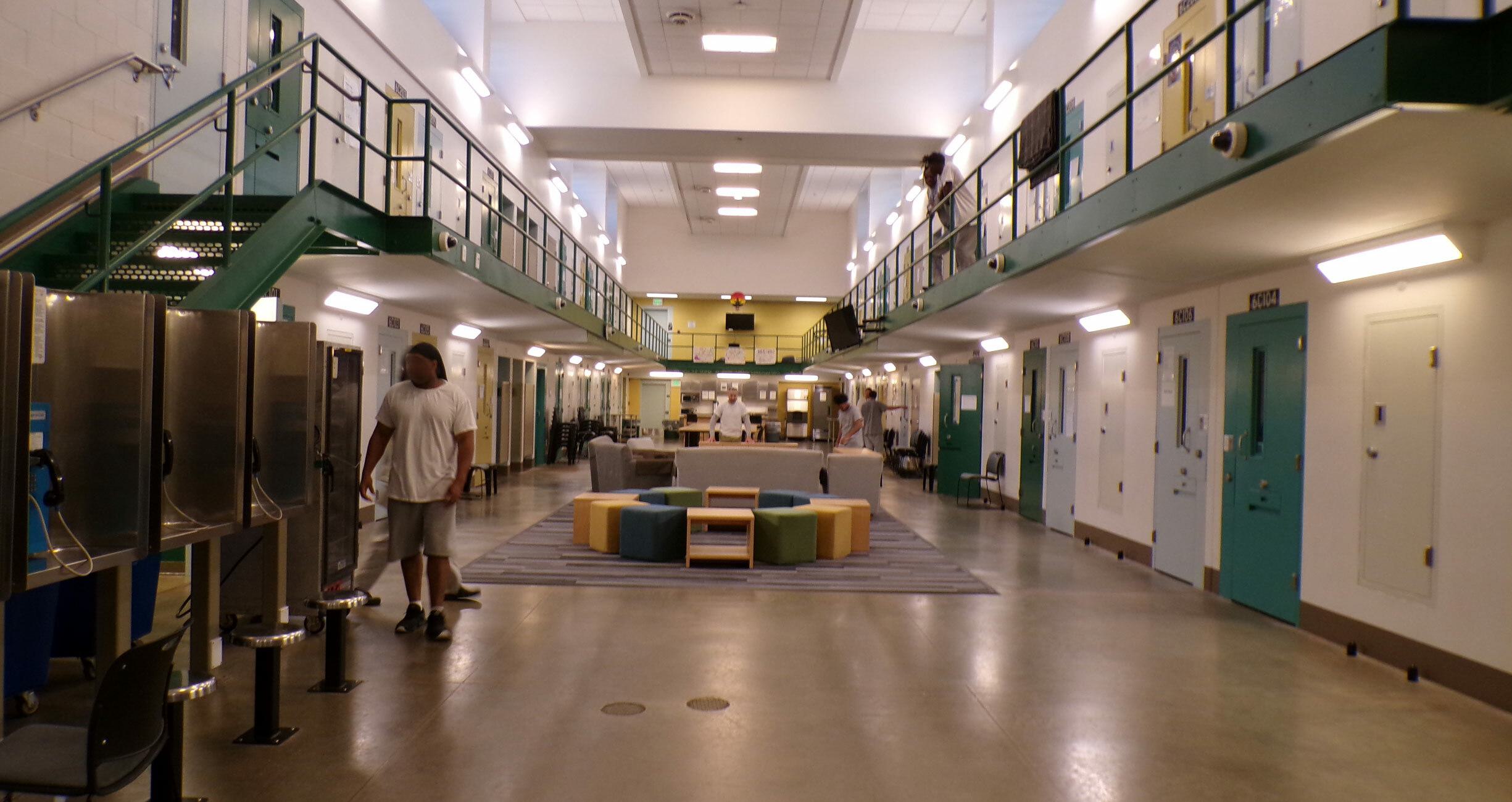
Community Building in Prison and Recovery
Isolation makes everything harder. It sharpens stress, feeds shame, and strips away the habits people need to stay steady after release. That is why community building in prison matters now. It is not a soft extra. It can shape whether someone leaves with support, routines, and a reason to keep going, or with the same loneliness that helped fuel harm in the first place.
People often talk about prison in terms of punishment alone. That misses a basic truth. Humans do better when they have structure, trust, and a place to belong. Inside prison, those things can be built in small ways, through peer groups, shared responsibility, classes, and safer social spaces. What does that look like in practice? It looks like people helping each other solve daily problems, not just pass time.
What stands out about community building in prison
- It lowers isolation. Isolation can worsen depression, anger, and impulsive behavior.
- It builds practical skills. People practice communication, conflict handling, and accountability.
- It supports recovery. Peer support can reinforce sobriety and coping habits before release.
- It improves reentry readiness. A person with ties and routines often has a better shot at stability outside.
Why community building in prison affects recovery
Recovery is easier when people are not trying to do it alone. Inside prison, that means access to peers who understand the pressure, the triggers, and the daily grind. It also means a chance to rehearse better choices in a setting where the cost of mistakes is high but still contained.
The National Institute of Justice has long noted that social ties and reentry supports matter for reducing recidivism. That does not mean every group program works. It means the social side of change is not optional. A person can read all the self-help material in the world and still fall apart if they have no one to talk to when the doors open.
Community is not a slogan in prison. It is a structure. And structure changes behavior.
What forms of community work inside prisons?
Some of the most effective efforts are plain and unglamorous. Peer mentoring. Restorative justice circles. Recovery meetings. Education groups. Faith-based programs. Therapeutic communities. Each one gives people a repeatable role, and that role matters. It is like building a house with several support beams instead of one weak post.
- Peer support groups let people speak honestly about cravings, fear, grief, and anger.
- Educational programs create a shared goal and a reason to show up.
- Restorative practices help people understand harm and responsibility.
- Structured work roles give people daily tasks, accountability, and pride.
Look, none of this is magic. But it gives people something many have never had. A place where they are expected to contribute.
What gets in the way?
Prisons are built for control first. That is the problem. Overcrowding, staff shortages, lockdowns, and constant turnover can wreck even solid programs. Trust is also fragile. If people think a group is unsafe or fake, they will not engage. Why would they?
Another barrier is unequal access. Some prisons offer strong programming. Others offer almost nothing. That patchwork makes outcomes depend too much on where a person is housed. Families and advocates should push for consistent access to peer-led and recovery-focused spaces, especially for people with substance use disorders.
How families and advocates can push this work forward
If you support someone inside, ask what programs actually meet weekly and which ones are peer-led. Ask whether the prison offers recovery groups, education classes, or reentry planning. If you work in policy or advocacy, press for funding that supports trained facilitators, not just one-off events.
You can also ask a blunt question: does the program help people practice life outside, or does it only keep them busy for an hour? That distinction matters. Busy is not the same as useful.
The strongest models connect prison-based support to release planning, housing help, treatment referrals, and community recovery groups. Without that bridge, the work can fade fast.
A better standard for prison programming
Community building should be measured by more than attendance. It should be judged by whether people leave with stronger relationships, better coping tools, and clearer plans. If a program helps someone stay calm in conflict, ask for help sooner, or avoid using after release, that is real value.
And if a prison cannot offer that? Then the system is missing one of the simplest tools it has. We should stop treating connection like a luxury item. The next question is whether prisons will keep relying on isolation, or finally invest in the social conditions that make recovery possible.
This article is for educational purposes only and should not be considered medical advice. Always consult a qualified healthcare provider before making decisions about addiction treatment. If you or someone you know is in crisis, call SAMHSA's National Helpline: 1-800-662-4357 (free, confidential, 24/7).