Clayton County Addiction Treatment Expansion Matters
Clayton County Addiction Treatment Expansion Matters Finding timely addiction care in south metro Atlanta has been hard for years. Long waits, long drives, and…
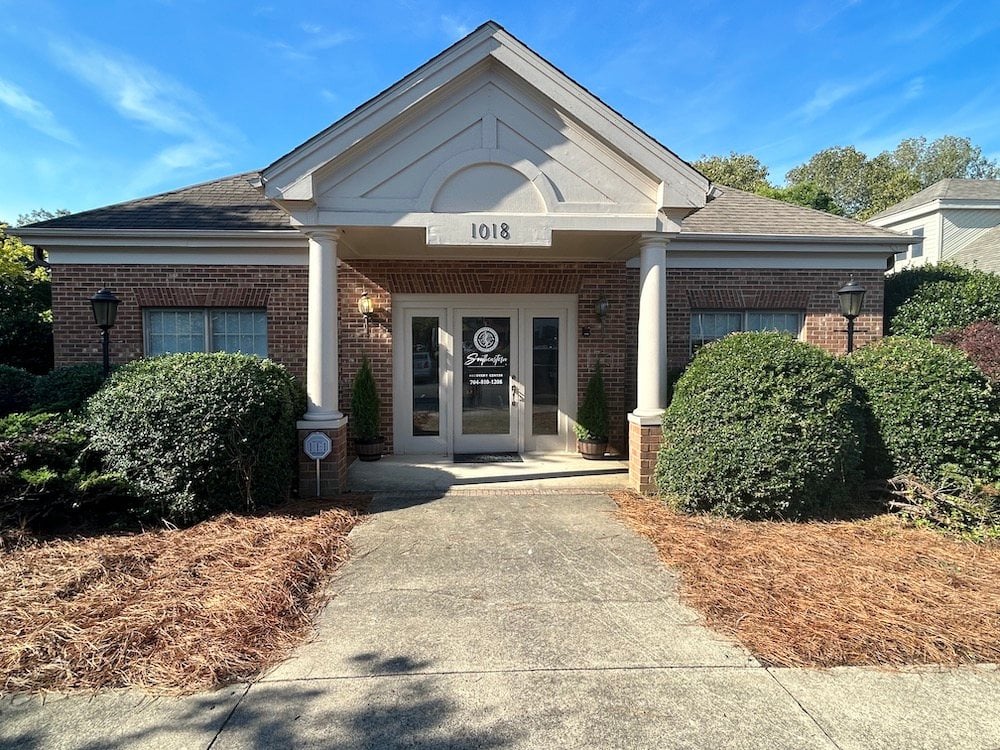
Clayton County Addiction Treatment Expansion Matters
Finding timely addiction care in south metro Atlanta has been hard for years. Long waits, long drives, and too few residential beds leave many people stuck at the worst possible moment. That is why the new Clayton County addiction treatment facility matters right now. It adds residential care in a part of Georgia that has needed more options, especially for people who cannot stabilize with outpatient visits alone. If you are a patient, family member, or local advocate, this opening is more than a ribbon cutting. It is a practical shift in access. And access often decides whether someone gets help this week or keeps slipping through the cracks for another month.
What stands out
- The new facility brings more residential addiction treatment capacity to south metro Atlanta.
- Local access matters because long travel times often delay admission and disrupt family support.
- Residential treatment can help people who need a structured setting after detox or during early recovery.
- One new center will help, but it will not solve the region’s full treatment shortage on its own.
Why this Clayton County addiction treatment opening matters
Residential treatment is one of the hardest services to find quickly in many parts of the country. Georgia is no exception. Beds are limited, insurance rules can be messy, and families often hit dead ends after finally deciding to seek help.
This is why a new local facility can have a real effect. It shortens the distance between crisis and care. Think of it like adding an emergency exit to a crowded building. The problem is still serious, but one more clear path out can change outcomes for real people.
Location is treatment access.
That point gets missed in a lot of coverage. People do not enter care on a spreadsheet. They enter care while dealing with withdrawal, fear, work problems, childcare issues, court pressure, and plain exhaustion. If treatment is two counties away, some never make it through the door.
More residential capacity in Clayton County is a direct answer to a simple problem. Too many people in south metro Atlanta have needed care that was too far away or too hard to enter.
What residential treatment actually does
Readers often hear the term but do not get a clear explanation. Residential addiction treatment gives people a live-in setting with daily structure, clinical support, peer connection, and separation from the routines that can fuel substance use.
That does not mean it is the right fit for everyone. Some people do well in outpatient programs. Others need detox first, then a residential stay, then step-down care. Recovery is rarely one-size-fits-all.
Who may benefit most
- People with repeated relapse after outpatient care.
- People leaving detox who need more stabilization.
- People with unsafe or triggering home environments.
- People who need coordinated support for mental health and substance use.
- People whose families need time and structure to reset alongside them.
Honestly, this is where many systems fail. They offer the least intensive option first, even when the person clearly needs more support. That may save money in the short term. It can cost much more later.
What families should ask about Clayton County addiction treatment options
If you are calling a treatment center, ask direct questions. Do not settle for vague promises or polished marketing copy. The addiction treatment field still has too much sales language and too little clarity.
Questions worth asking
- What level of care do you provide, and what do you not provide?
- Do you offer or coordinate detox if needed?
- How long is the average residential stay?
- What mental health services are available on site?
- What insurance plans do you accept?
- What happens after discharge?
- How are families involved in treatment and planning?
Why does aftercare matter so much? Because discharge without a plan is like sending someone onto a highway with no map and half a tank of gas. Early recovery needs follow-up, whether that means outpatient therapy, medication for opioid use disorder, recovery housing, peer support, or all of the above.
The bigger south metro Atlanta treatment gap
The new center is good news. But let us not pretend one opening fixes the region.
South metro Atlanta has long needed more behavioral health infrastructure. That includes detox access, residential beds, outpatient treatment, transportation support, and dual-diagnosis care for people dealing with addiction and mental health conditions at the same time. It also means care that works for uninsured and underinsured patients, not only people with strong commercial plans.
Look, the hard part is not announcing a facility. The hard part is keeping it staffed, affordable, and connected to the rest of the local care system. A building can open with fanfare and still struggle if referral pipelines are weak or workforce shortages hit.
What to watch after the opening
If you want to judge whether this Clayton County addiction treatment expansion is doing its job, track a few basic signals over time.
- How quickly people can get admitted.
- Whether local hospitals and clinics refer patients smoothly.
- How many patients complete treatment and move into step-down care.
- Whether families can stay involved without major barriers.
- How well the center serves people with co-occurring mental health needs.
These details matter more than celebratory headlines. Health policy is full of shiny openings that never add up to durable access.
What this means for recovery in Georgia
Georgia, like many states, is still trying to close the distance between need and treatment capacity. The demand is there. The question is whether public agencies, health systems, and providers will keep building practical pathways into care.
A residential facility in Clayton County will not carry that load by itself. But it can become a model if it connects people to a full continuum of care, keeps quality standards high, and treats family support as part of recovery rather than an afterthought (which it often is).
That is the real test. Not whether the doors opened, but whether people who need help can get in, stay engaged, and move into a steadier life once they leave. South metro Atlanta has waited long enough. The next move should be obvious. Build on this, measure the results, and close the remaining gaps before another family is told to wait.
This article is for educational purposes only and should not be considered medical advice. Always consult a qualified healthcare provider before making decisions about addiction treatment. If you or someone you know is in crisis, call SAMHSA's National Helpline: 1-800-662-4357 (free, confidential, 24/7).