Christopher Care Center Expands Alcohol and Drug Rehab Specialty Programs
Christopher Care Center Expands Alcohol and Drug Rehab Specialty Programs People looking for help with substance use often face the same problem. The first…
Christopher Care Center Expands Alcohol and Drug Rehab Specialty Programs
People looking for help with substance use often face the same problem. The first treatment option they find may be too broad, too generic, or too hard to stick with. That matters now because families and patients want care that fits real life, not a one-size-fits-all plan. The latest alcohol and drug rehab specialty programs from Christopher Care Center fit into that shift. They reflect a bigger move in treatment toward more tailored support, clearer clinical paths, and better matching between need and care level. What should you look for if you are comparing programs? The answer starts with specificity, because vague treatment usually leads to vague results.
What the new specialty programs aim to solve
- Better matching: people can be placed in care that fits the severity of their substance use.
- More focused support: specialty tracks can address alcohol, drugs, and related mental health issues more directly.
- Clearer expectations: patients and families get a better sense of what treatment includes.
- More practical planning: targeted programs can make discharge, aftercare, and follow-up easier to organize.
That is the real shift here. Instead of treating every case like the same problem, specialty programs try to separate the pieces that actually matter. Alcohol misuse can look different from opioid use disorder. Stimulant use can bring different withdrawal patterns, different risks, and different recovery needs.
Christopher Care Center’s move follows a common clinical logic. Match the care to the person, then build around that. Sounds obvious, right? Yet too many programs still force patients into the same mold.
Why alcohol and drug rehab specialty programs matter
Good treatment starts with assessment, then moves into the right level of care. The National Institute on Drug Abuse has long stressed that addiction treatment should be individualized and should address co-occurring mental health conditions when present. That is not a slogan. It is how you avoid wasted time and avoidable relapse risk.
Specialty programs matter because addiction rarely shows up as one clean issue. It often arrives with sleep problems, anxiety, trauma, family stress, and medical complications layered on top.
Think of it like building a house. You would not use the same foundation plan for every lot. Soil conditions matter. So does weather. Treatment works the same way.
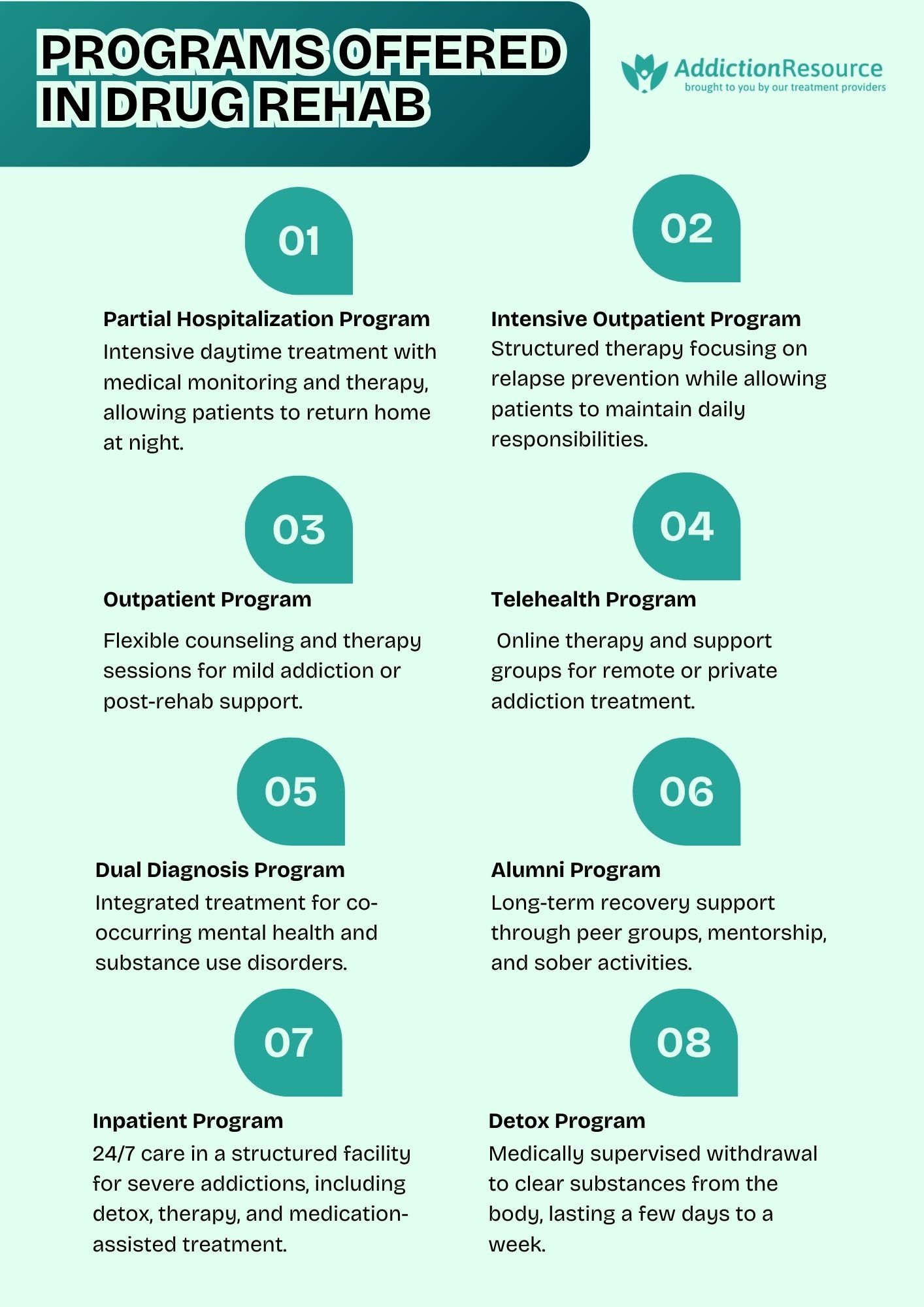
That is where alcohol and drug rehab specialty programs can help. A person with heavy alcohol dependence may need different medical monitoring than someone struggling with methamphetamine use. Someone with opioid use disorder may need medication support, while another patient may need stronger behavioral structure and relapse prevention planning.
What you should ask before choosing a program
If you are comparing rehab options, ask direct questions. A polished brochure is easy to print. A solid care plan is harder to fake.
- What substances do you specialize in treating?
- Do you screen for mental health conditions?
- What does the first week of care look like?
- How do you handle withdrawal and medication management?
- What happens after the main treatment phase ends?
Here is the thing. A program can call itself specialized and still stay shallow. You want specifics. Who runs the assessments? What therapies are used? How often do patients meet with clinicians? If the answers stay fuzzy, keep looking.
And ask about aftercare. Recovery does not stop when the schedule says it should. That is where many programs fall short.
How specialty care changes the recovery path
Specialty rehab can make the process feel less chaotic. Patients often need structure, but they also need room for real differences in their situation. A younger adult with early-stage alcohol use may not need the same intensity as someone with repeated detox episodes. A parent juggling work and childcare may need a different schedule than someone in residential care.
That flexibility can be the difference between staying in treatment and dropping out. Treatment engagement is not a side issue. It is the job.
There is also a practical benefit for families. When the program is specific, communication gets easier. You know what the treatment team is watching, what the next step is, and what signs might mean someone needs a higher level of care. That kind of clarity matters when the stakes are high.
What the broader treatment trend says
Christopher Care Center’s program update fits a wider pattern in behavioral health. Providers are under pressure to do more than offer a bed or a weekly session. They have to show that their services match real clinical need. That means stronger assessment, better care coordination, and more attention to co-occurring disorders.
Insurance scrutiny plays a role too. Payers increasingly want documentation that supports the level of care. Patients want the same thing, even if they do not phrase it that way. They want proof that the program is built for their problem, not someone else’s.
That is the standard now. And honestly, it should have been the standard years ago.
Alcohol and drug rehab specialty programs are not about fancy branding. They are about fit. If a program cannot explain why its approach fits your substance use pattern, your health history, and your home situation, it is asking you to take a guess where evidence should be doing the work.
A smarter way to compare rehab options
Look past the surface language. Ask whether the program offers a plan you can actually follow, and whether it treats the whole person instead of only the substance. Good care feels specific because it is specific.
If you are weighing treatment now, start with one question: does this program know the difference between a general promise and a real treatment path?
That answer will tell you more than the sales pitch ever will.
This article is for educational purposes only and should not be considered medical advice. Always consult a qualified healthcare provider before making decisions about addiction treatment. If you or someone you know is in crisis, call SAMHSA's National Helpline: 1-800-662-4357 (free, confidential, 24/7).