CDC Malaria Treatment Algorithm: What Clinicians Need to Do Fast
CDC Malaria Treatment Algorithm: What Clinicians Need to Do Fast If you suspect malaria, speed matters. The CDC malaria treatment algorithm is built for the…
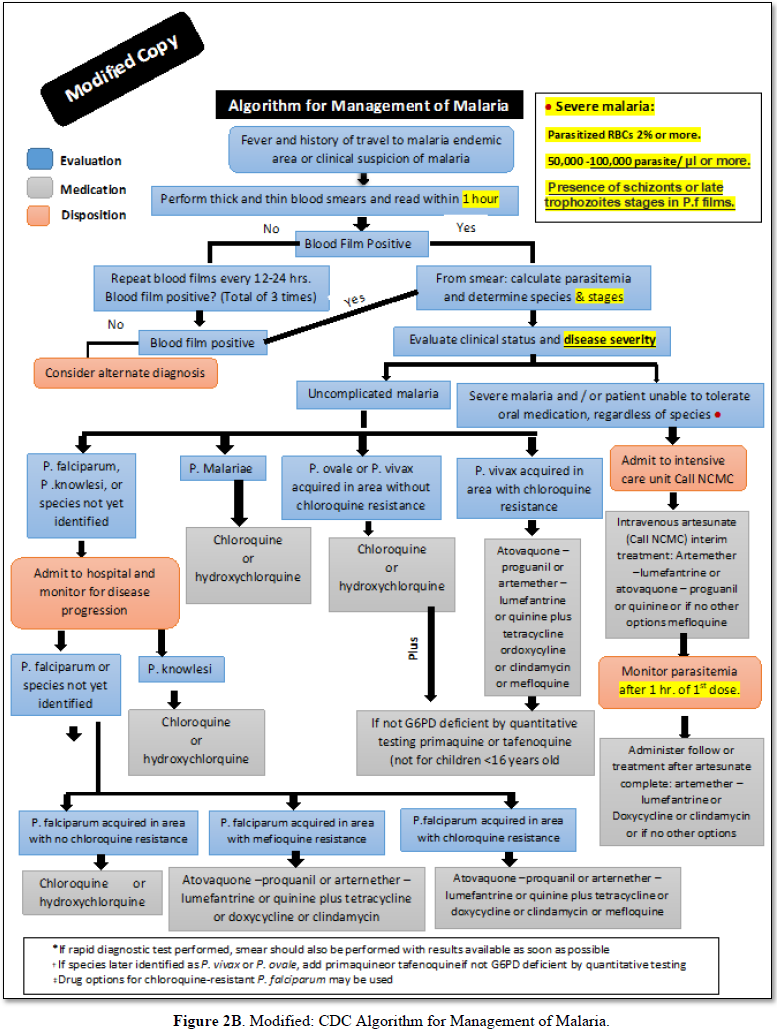
CDC Malaria Treatment Algorithm: What Clinicians Need to Do Fast
If you suspect malaria, speed matters. The CDC malaria treatment algorithm is built for the kind of decisions that cannot wait, because a missed diagnosis can turn a treatable infection into a crisis. You need to know when to test, when to treat, and when to escalate care, especially if the patient has recently traveled or has fever with no obvious source. That is where many clinicians lose time. The case looks like flu, dengue, or something vague, and the right path gets delayed.
Here is the thing. Malaria care is not about guessing. It is about recognizing risk, confirming infection, and sorting out severity fast. The CDC guidance gives you a clinical map, and if you use it well, you can avoid the two big failures: missing malaria and underestimating severe disease.
What the CDC malaria treatment algorithm emphasizes
- Test quickly if malaria is suspected, especially after travel to an endemic area.
- Do not wait for a perfect story. Fever alone can be enough to trigger evaluation.
- Use species and severity to guide treatment choice.
- Escalate immediately if severe malaria is possible.
- Check local access to diagnostics, antimalarials, and hospital transfer options before you need them.
How the CDC malaria treatment algorithm starts
The first question is simple. Could this be malaria? If the answer is even a cautious maybe, you should move fast with testing. The CDC guidance centers on laboratory confirmation, usually with microscopy or rapid diagnostic testing, followed by a smear if needed. That is the right sequence because malaria can mimic a lot of things, and the treatment path changes once you know the species and the parasite burden.
Travel history is non-negotiable. Ask where the patient has been, when they returned, and whether they used chemoprophylaxis. Ask about mosquito exposure too. A patient with fever after a trip to sub-Saharan Africa is not the same as a patient with a sinus infection in January. Different stakes. Different workflow.
One missed malaria case can create a chain reaction. The patient gets sent home, symptoms worsen, and the window for simple outpatient treatment closes fast.
What to check before you choose treatment
Once malaria is confirmed, the next step is not random drug selection. You need to sort the case by species, resistance risk, severity, pregnancy status, and the patient’s ability to take oral therapy. That is the real engine of the CDC malaria treatment algorithm.
- Species identification. Falciparum gets special attention because it can become severe quickly.
- Severity assessment. Altered mental status, respiratory distress, shock, acidosis, or organ dysfunction all raise the alarm.
- Travel region. Resistance patterns matter. Not all exposure carries the same drug assumptions.
- Age and pregnancy. These can change the medication choice.
- Oral tolerance. If the patient cannot keep medicine down, outpatient plans fall apart.
Why the CDC malaria treatment algorithm treats severity as urgent
Severe malaria is a medical emergency, not a routine infectious disease visit. The CDC algorithm pushes you to recognize that early because severe disease can progress quickly. Think of it like checking the load-bearing wall in an old building. If the structure is unstable, you do not decorate the room first. You shore it up.
Patients with severe malaria may need parenteral therapy and hospital-level care. In the CDC framework, severe disease changes the setting as much as the drug. That is why outpatient management is only appropriate when the patient is stable, reliable, and able to take oral treatment, with no red flags that suggest rapid deterioration.
CDC malaria treatment algorithm: common clinical mistakes
Look, the biggest mistake is waiting for the fever pattern to “fit.” Malaria does not always announce itself with textbook chills every 48 hours. It can look messy. That is why the algorithm starts with suspicion, not certainty.
- Delaying testing because the symptoms seem mild.
- Missing travel exposure during the first history.
- Assuming all malaria is equal and ignoring severity markers.
- Choosing oral therapy when the patient is vomiting or unstable.
- Forgetting follow-up smears or reassessment when diagnosis remains uncertain.
CDC guidance is practical because it forces you to answer the right questions in order. Is malaria possible? Is it confirmed? Is it severe? Can this patient safely take oral treatment? That is the whole game, and there is no prize for improvising.
How to use the CDC malaria treatment algorithm in real practice
Use the algorithm as a triage tool at the front end of care. If you work in urgent care, primary care, emergency medicine, or travel medicine, build malaria into your fever workup for any patient with relevant exposure. The process should feel as automatic as checking vitals.
Before the next travel-related fever shows up, make sure your clinic knows where testing happens, who reads smears, which antimalarials are stocked, and where transfer goes if severe disease appears. This is not about rare edge cases. It is about being ready for the case that looks ordinary until it is not.
What would your next step be if a febrile patient walked in after a trip to Nigeria tonight?
Keep the algorithm close, not theoretical
The CDC malaria treatment algorithm works because it is blunt and usable. It asks you to move from suspicion to confirmation to severity assessment without losing time. That is exactly what you want in a disease that punishes delay. If your team sees travel fever often, review the workflow now, not after the next missed case.
This article is for educational purposes only and should not be considered medical advice. Always consult a qualified healthcare provider before making decisions about addiction treatment. If you or someone you know is in crisis, call SAMHSA's National Helpline: 1-800-662-4357 (free, confidential, 24/7).