Cape Fear Behavioral Health Urgent Care Gets $6M State Funding
Cape Fear Behavioral Health Urgent Care Gets $6M State Funding People in crisis usually do not need a lecture. They need a place to go, fast. That is why the…
Cape Fear Behavioral Health Urgent Care Gets $6M State Funding
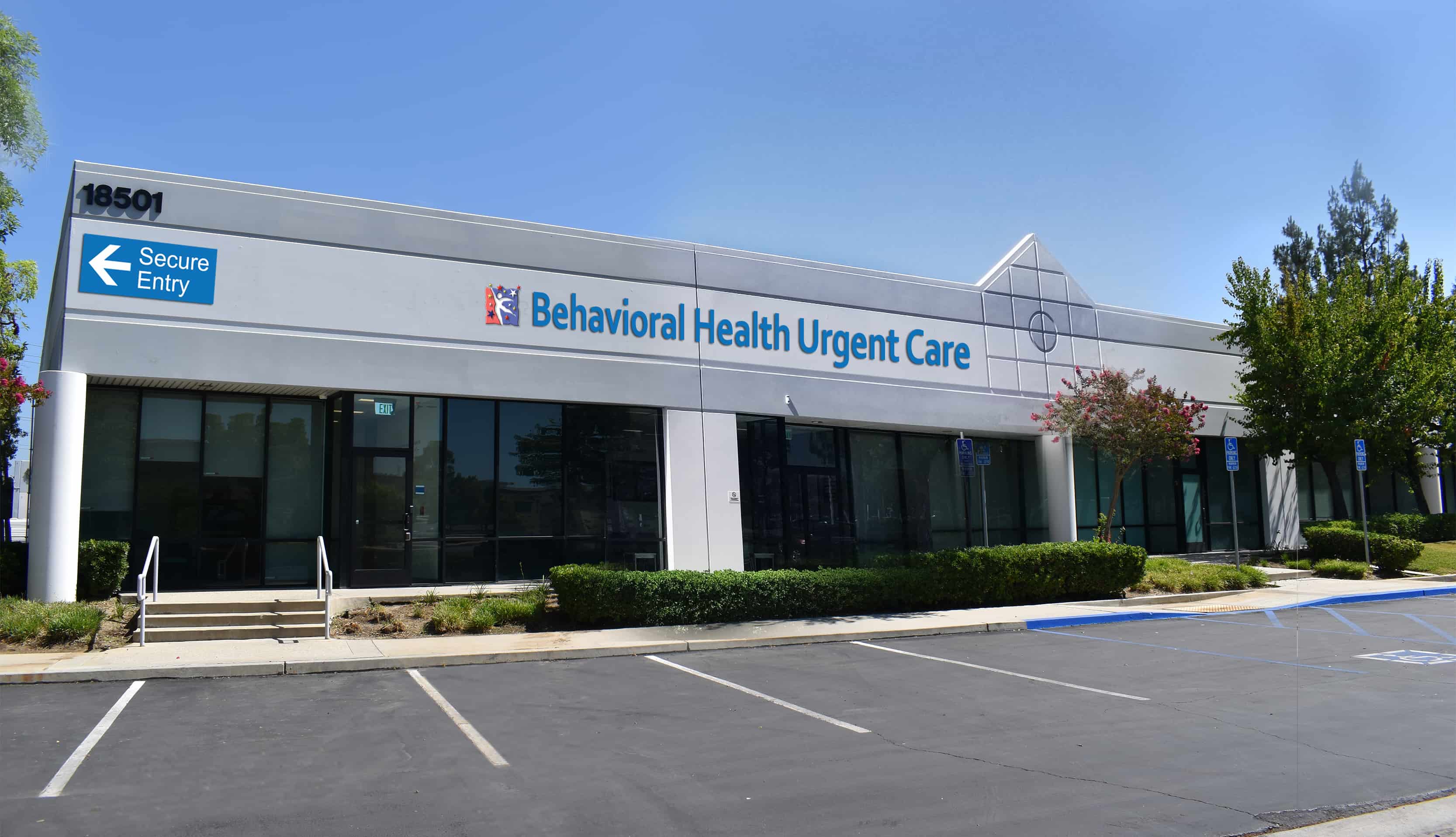
People in crisis usually do not need a lecture. They need a place to go, fast. That is why the new behavioral health urgent care planned for Cape Fear matters now, not later. A state investment of $6 million could help build the region’s first walk-in option for mental health and substance use needs, which is a big deal for families who are tired of using crowded emergency rooms as the default answer.
For years, the gap has been obvious. Someone has a panic attack, a psychotic episode, or a relapse, and the choices are often thin, slow, or expensive. This kind of clinic can change the route. Not every crisis needs a hospital bed. But every crisis does need a real door.
And that is the point.
What the behavioral health urgent care means for Cape Fear
The planned clinic is meant to give people a same-day place for evaluation, short-term stabilization, and referral to longer care. That can include depression, anxiety, suicidal thoughts, substance use disorder, and other urgent behavioral health needs. It is a smaller, faster setting than an emergency department, and that difference matters when the system is already stretched.
- Walk-in access for urgent mental health and substance use concerns.
- Less pressure on emergency rooms that are not built for long behavioral health waits.
- Faster triage so people can be matched with the right level of care.
- Better follow-up for outpatient treatment, peer support, or detox services.
“Community needed it yesterday” is not just a sound bite. It describes a system where delay has become the norm, and delay can be dangerous.
Why behavioral health urgent care fills a real gap
Look, emergency departments do valuable work. But they are built for trauma, chest pain, broken bones, and other acute medical problems. When behavioral health crises pile into that space, everyone waits longer. The patient waits. The staff waits. Families wait with no clear roadmap.
A behavioral health urgent care works more like a triage hub. Think of it like a busy restaurant with one front door and one host stand. If every table request goes through the kitchen, chaos follows. If the front of house sorts what needs immediate attention, the whole operation runs better. That is what a smart crisis-access point can do.
Nationally, the case for this model is already solid. The Substance Abuse and Mental Health Services Administration has long supported crisis systems that include 24/7 access, stabilization, and follow-up. The 988 Suicide & Crisis Lifeline also reflects the same shift. People need access points that are easier to reach than an ER and sturdier than a phone call alone.
How behavioral health urgent care can help families
Families usually see the problem before the system does. They notice when someone stops sleeping, starts drinking heavily, talks about hopelessness, or cannot stay grounded. But they often do not know where to go at 9 p.m. on a Tuesday.
That uncertainty drives bad outcomes. People wait too long, the crisis deepens, and the next stop becomes the emergency room, jail, or inpatient care. A walk-in clinic changes the first move. That is a practical shift, not a symbolic one.
What you may gain from a local urgent care model
- A quicker first assessment.
- Short-term support without a full hospital admission.
- Help connecting to therapy, psychiatry, or addiction treatment.
- Clearer next steps for caregivers who are overwhelmed.
One important point: this only works if the clinic has enough staff and strong referral ties. A front door without a hallway behind it is just a waiting room with better branding.
What to watch as the project moves forward
The $6 million state commitment is the headline, but execution will decide whether the clinic becomes a relief valve or just another underbuilt service. Staffing, operating hours, insurance acceptance, and coordination with local hospitals will all shape the outcome. If the site is not open nights and weekends, the people most likely to need it may still land in the ER.
There is also the question of continuity. A good urgent care visit should not end with a stack of phone numbers and good luck. It should lead somewhere specific. Who follows up in 24 hours? Who handles medication support? Who checks on the person after discharge?
Those are the details that turn a funding announcement into actual care.
Why this mainKeyword matters beyond one clinic
The phrase behavioral health urgent care sounds technical, but the idea is simple. It gives people a lower-barrier place to seek help before a crisis turns into an emergency. That can reduce avoidable ER use, improve access to timely evaluation, and make it easier for families to act early.
Will one clinic solve the region’s mental health problems? Of course not. But it can change the first step, and the first step is where too many systems fail.
A better test for the region
If Cape Fear wants this to work, the question is not whether the building opens. The real test is whether a parent, a partner, or a person in crisis can walk in and get treated like the problem is urgent, because it is. That standard should be non-negotiable.
The next measure is simple. Can this clinic make the worst day of someone’s life a little less chaotic? If the answer is yes, the state’s $6 million will look less like a line item and more like a turning point.
This article is for educational purposes only and should not be considered medical advice. Always consult a qualified healthcare provider before making decisions about addiction treatment. If you or someone you know is in crisis, call SAMHSA's National Helpline: 1-800-662-4357 (free, confidential, 24/7).