Bryce Harper Trade Rumors Ignore the Cubs’ Reality
Bryce Harper Trade Rumors Ignore the Cubs’ Reality Fans love star-driven chaos, and that is why Bryce Harper trade rumors keep resurfacing around the Cubs. The…
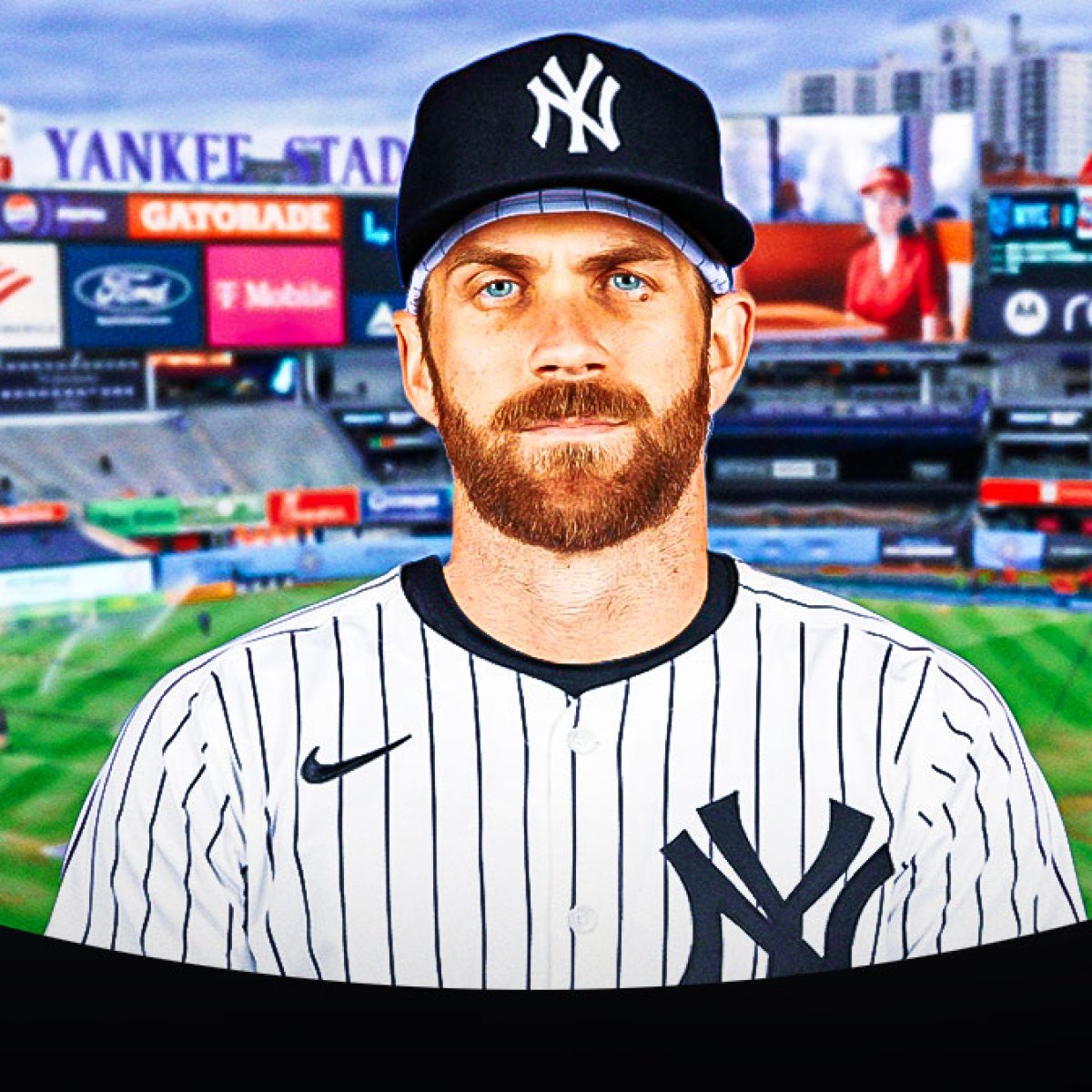
Bryce Harper Trade Rumors Ignore the Cubs’ Reality
Fans love star-driven chaos, and that is why Bryce Harper trade rumors keep resurfacing around the Cubs. The problem is simple. The rumor sounds louder than the logic behind it. Chicago has real needs, but adding Harper is not a clean baseball fit, a clean payroll fit, or a clean front-office move right now. That matters because trade chatter can distort how you judge what the Cubs actually need to do before they can seriously chase another deep October run. If you are looking at this roster honestly, the smarter question is not whether Harper is a famous name the Cubs could chase. It is whether this version of the Cubs should spend major trade capital and salary space on a player who does not solve their most urgent problems.
What actually matters here
- The Cubs have bigger roster questions than adding another expensive star bat.
- Bryce Harper’s contract and status make any trade scenario hard to justify.
- Chicago needs cleaner long-term planning, not splashy rumor fuel.
- The front office has to weigh prospect cost, payroll fit, and defensive alignment.
Why Bryce Harper trade rumors keep sticking
Look, Harper is an easy rumor magnet. He is a marquee player, he plays for a club that is always under the microscope, and the Cubs are one of baseball’s biggest brands. Put those pieces together and people will fill in the gaps.
But rumor volume is not evidence. It is content gravity. A player like Harper pulls attention the way a superstar quarterback does in every NFL offseason, even when the salary cap math makes the whole thing wobble.
Big-name trade ideas tend to survive because they are fun, not because they survive a basic roster audit.
That is what is happening here. The Cubs are a useful placeholder in star speculation because fans can picture the jersey. That does not mean the move makes sense.
Why a Bryce Harper trade does not line up with the Cubs roster
The Cubs need balance. They need reliable run prevention, clearer roster efficiency, and smart use of resources across the lineup and pitching staff. Harper is still an elite-level name, but adding another expensive bat to a team with other pressure points feels backward.
Ask yourself this. Does Harper fix the Cubs’ biggest issue?
Not really.
Chicago’s front office has to think about positional overlap, defensive structure, and where the next marginal win actually comes from. A star hitter can move the needle, sure, but only if the rest of the build supports it. And if the team still needs pitching depth, bullpen certainty, or more complete two-way value, then the shine fades fast.
Positional fit is not clean
Harper’s value is obvious, but roster building is not fantasy baseball. You cannot just stack names and expect the seams to disappear. The Cubs would have to think through first base, outfield usage, designated hitter rotation, and how everyday at-bats would be distributed.
That is the hidden tax in moves like this. The talent is real. The fit can still be messy.
Payroll concentration changes everything
Harper is tied to a long-term, high-dollar commitment. Even if you believe a club like Chicago can afford that kind of salary, the better question is whether it should absorb it while trying to stay flexible elsewhere. Smart teams do not only ask, “Can we pay for this?” They ask, “What does this block us from doing next?”
And that is where these Bryce Harper trade rumors start to look stale. The Cubs are not operating in a vacuum. Every major dollar and every top prospect moved in a deal affects the next move, too.
What the Cubs would likely have to give up
Trade talk often skips the ugly part. Acquisition cost. Harper is not the kind of player you get for spare parts and a lottery-ticket arm.
If the Phillies ever entertained such a move, the Cubs would likely need to offer a package with real prospect value, controllable young talent, or both. That matters because Chicago cannot afford to move premium assets carelessly if it wants to stay competitive beyond one season.
- Top prospects would almost certainly enter the conversation.
- Young major league contributors could be required to match value.
- Salary relief terms would shape the quality of the return.
Here’s the thing. That kind of deal only makes sense when the incoming player solves a top-tier need. Harper is a great player, but a great player is not always the right player.
What the Cubs should focus on instead of Bryce Harper trade rumors
If you have covered baseball long enough, you learn that splash moves often distract from the more surgical ones that actually fix teams. The Cubs need to think like architects, not collectors. A house does not improve because you bolt a gold-plated door onto a shaky frame.
The better path is narrower and more practical.
- Add pitching that can hold up over six months.
- Improve defensive reliability in spots that bleed value.
- Protect the farm system unless the return is a true roster answer.
- Keep future payroll room for moves that fit better.
That approach is less exciting on talk radio. It is also how durable contenders are built.
How front offices usually view rumor cycles like this
Honestly, these stories often say more about the media ecosystem than the trade market. A famous player plus a famous team creates easy traction. Front offices, meanwhile, spend their time on fit, valuation, medical risk, contract aging, and leverage.
That is a colder process than fans want, but it is the real one. And if the Cubs are serious about maximizing this competitive window, they should be cold about it. Sentiment is expensive.
There is also the timing issue. Clubs do not make seismic decisions just because an idea sounds bold in late-night speculation. They move when need, value, and leverage line up. In this case, those factors do not appear to line up cleanly for Chicago.
Where Bryce Harper trade rumors go from here
The rumors probably will not die soon. Harper is too big a name, and the Cubs are too easy to plug into headline bait. But that does not make the idea current or convincing.
If Chicago makes a major move, expect it to be one that addresses roster shape more directly. That could mean pitching, defense, or a more flexible bat with a cleaner fit. Those moves draw less noise, but they often age better.
The smart read is simple. Bryce Harper trade rumors are interesting theater, not strong team-building logic. If the Cubs want to act like a serious contender, they should ignore the shiny option and solve the harder problems first. That is usually how you can tell a front office is thinking clearly.
This article is for educational purposes only and should not be considered medical advice. Always consult a qualified healthcare provider before making decisions about addiction treatment. If you or someone you know is in crisis, call SAMHSA's National Helpline: 1-800-662-4357 (free, confidential, 24/7).