Arizona Fake Sober Living Homes Crackdown
Arizona Fake Sober Living Homes Crackdown If you are trying to find safe recovery housing in Arizona, the stakes are high. A bad placement can drain insurance…
Arizona Fake Sober Living Homes Crackdown
If you are trying to find safe recovery housing in Arizona, the stakes are high. A bad placement can drain insurance benefits, interrupt treatment, and put a person in real danger. That is why the Arizona fake sober living homes crackdown matters right now. State officials are responding to years of fraud tied to sham sober living operators, especially in the Phoenix area, where some homes allegedly billed Medicaid while failing to provide proper support or even basic safety.
Families usually see the words sober living and assume oversight exists. Often, it does not work that cleanly. And when enforcement lags, bad actors move fast. The current push in Arizona aims to shut down fraudulent housing schemes, protect people in recovery, and force providers to meet standards that should have been non-negotiable from the start.
What matters most
- Arizona is increasing pressure on fraudulent sober living operators linked to Medicaid abuse and unsafe housing.
- The crackdown affects families, treatment programs, and residents who need verified recovery housing.
- Fake sober living homes can disrupt recovery by exposing residents to relapse risk, neglect, and financial exploitation.
- You can lower the risk by checking licenses, asking direct questions, and confirming ties to legitimate treatment providers.
Why the Arizona fake sober living homes crackdown is happening
Arizona did not wake up to this problem overnight. Reports of fraudulent sober living homes have circulated for years, with allegations that some operators recruited vulnerable people, billed Medicaid for services that were never delivered, and placed residents in crowded or unstable housing. The problem hit Native American communities especially hard, according to reporting across Arizona media and public statements from state officials.
Here is the ugly part. Recovery housing can look legitimate from the outside while failing residents behind closed doors. A home may advertise peer support, drug testing, transportation, and treatment coordination, then provide almost none of it.
Recovery housing only works when the house is safe, accountable, and tied to real support. Without that, it is just a rented address with a sober label on the door.
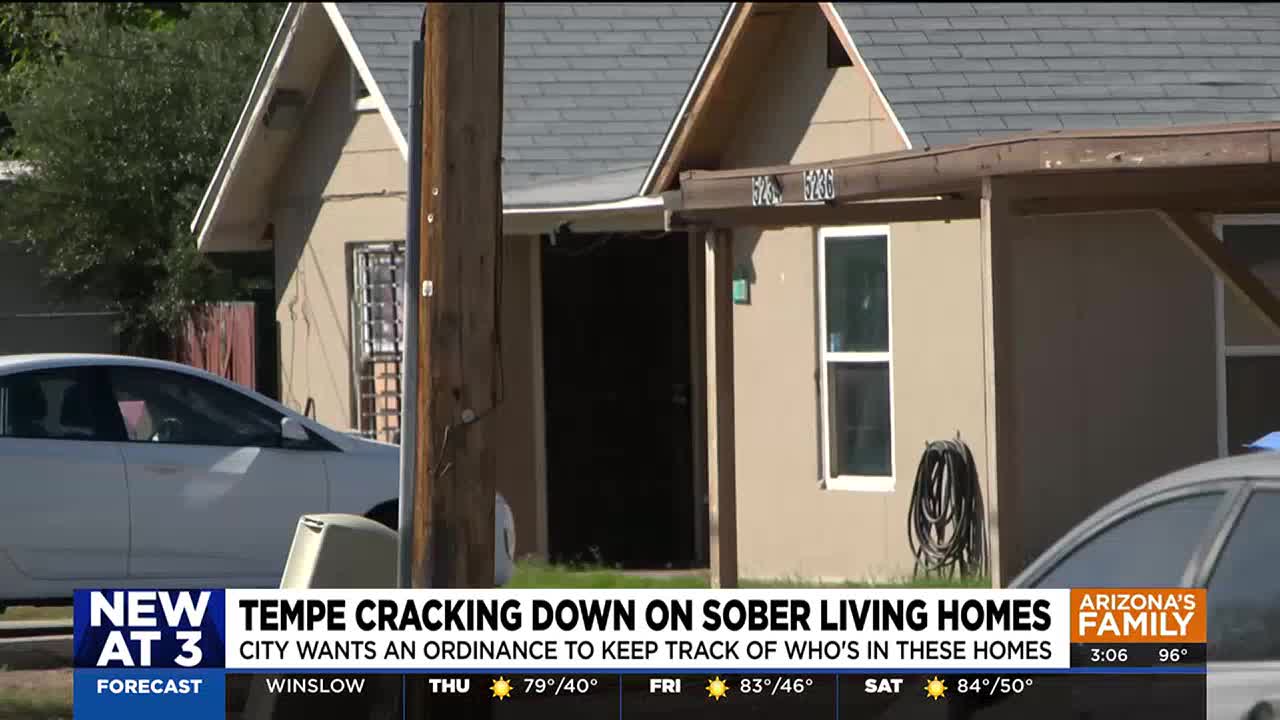
The 12News report points to Arizona’s effort to crack down harder on fake sober living homes through enforcement and oversight. That matters because housing fraud in addiction recovery is not a paperwork issue. It can trigger relapse, trauma, overdose risk, and lost trust in the whole treatment system.
How fake sober living homes hurt recovery
People entering sober living often need structure after detox or residential treatment. They need rules, transportation, case management, and distance from the chaos that fed addiction in the first place. A fraudulent home can strip all of that away.
Think of recovery housing like a bridge after a storm. If the bridge is unstable, you do not get a second chance halfway across.
Common harms residents face
- Unsafe living conditions. Overcrowding, poor sanitation, and little supervision are frequent complaints.
- Insurance exploitation. Some operators chase Medicaid billing instead of resident care.
- Weak or fake treatment links. Residents may be steered to low-value services that exist mainly for reimbursement.
- Higher relapse risk. Homes without rules, testing, or recovery support can become relapse environments.
- Disrupted care. A shutdown or sudden move can break treatment momentum fast.
That disruption alone can be severe.
Anyone who has covered addiction treatment for a while has seen this pattern. Fraud rarely stays financial. It spills into health, safety, and grief.
What families should ask before choosing sober living in Arizona
Look, glossy websites do not mean much. Families need proof, not marketing. If you are evaluating a sober home, ask direct questions and expect direct answers.
Questions worth asking
- Is the home licensed, certified, or registered under Arizona requirements where applicable?
- Who owns and manages the property?
- What drug testing policy is used, and how often?
- Is there a curfew, house meeting schedule, and resident handbook?
- How are residents connected to outpatient treatment, therapy, or medication support?
- What happens if a resident relapses?
- Can the operator provide references from treatment partners or alumni?
- How many people live in the home right now?
And ask one more thing. Who is making money from each referral?
That question makes some operators squirm, which tells you plenty. Ethical providers should be able to explain their business model without ducking behind vague language.
What the Arizona fake sober living homes crackdown could change
A real crackdown can do three useful things. It can push out obvious fraud, tighten Medicaid oversight, and raise the standard for what counts as recovery housing. But enforcement alone will not fix every gap.
Honestly, this is where states often stumble. They raid bad actors, announce charges, and move on while families still struggle to find vetted options. The stronger move is sustained oversight paired with better public directories, complaint tracking, and faster data sharing between housing regulators, Medicaid officials, and treatment agencies.
What better oversight should include
- Clear public records so families can verify providers quickly.
- Routine inspections focused on safety and actual recovery practices.
- Medicaid fraud enforcement tied to treatment and transportation billing.
- Resident protections for complaints, transfers, and emergency housing.
- Coordination with tribal communities affected by recruitment and displacement.
If Arizona follows through, the state could become a test case for how to clean up recovery housing without shrinking legitimate access. That balance matters. Shut down fraud too slowly and people get hurt. Shut down housing without replacement beds and people get dumped back into instability.
How to spot a legit recovery home
No single sign settles it, but patterns help. A credible sober living home usually has structure, transparency, trained staff or peer supports, and working relationships with treatment providers that can be verified.
But the basics still matter most.
- The rules are written down.
- The fees are clear.
- The staff can explain relapse procedures.
- The home does not promise miracles.
- The residents are expected to follow a recovery plan.
A house that avoids specifics is a bad sign. So is a provider that seems far more interested in insurance status than clinical fit.
Where this leaves Arizona families and providers
Good sober living operators should welcome this scrutiny. Weak oversight lets scammers undercut legitimate homes that actually invest in staff, compliance, and resident care. In other words, cleaning up the market is not anti-provider. It is pro-recovery.
For families, the lesson is plain. Slow down, verify everything, and involve treatment professionals who know the local system. A rushed placement can cost far more than money.
Arizona’s crackdown is a start, not a fix. The next test is whether the state can keep pressure on fake sober living homes while helping trustworthy recovery housing rise to the top. If that does not happen, what exactly was the point?
This article is for educational purposes only and should not be considered medical advice. Always consult a qualified healthcare provider before making decisions about addiction treatment. If you or someone you know is in crisis, call SAMHSA's National Helpline: 1-800-662-4357 (free, confidential, 24/7).