Antidepressant Shows Promise for Meth Addiction Relief
Antidepressant Shows Promise for Meth Addiction Relief Methamphetamine relapse wrecks recovery plans because cravings stay high long after detox. A fresh…
Antidepressant Shows Promise for Meth Addiction Relief
Methamphetamine relapse wrecks recovery plans because cravings stay high long after detox. A fresh clinical trial suggests an antidepressant for meth addiction can reduce use and tighten adherence, giving clinicians a new lever when existing meds fall short. You care about this because behavioral therapy alone leaves a treatment gap, and overdose risks keep climbing. How often does a low-cost generic reshape a stubborn stimulant problem? The early data hint at a path.
Highlights worth your time
- Trial participants on the antidepressant used meth less often than placebo peers.
- Medication adherence improved when paired with counseling support.
- Side effects were mild and aligned with the drug’s known profile.
- Results add weight to combining pharmacotherapy with contingency management.
How antidepressant for meth addiction works
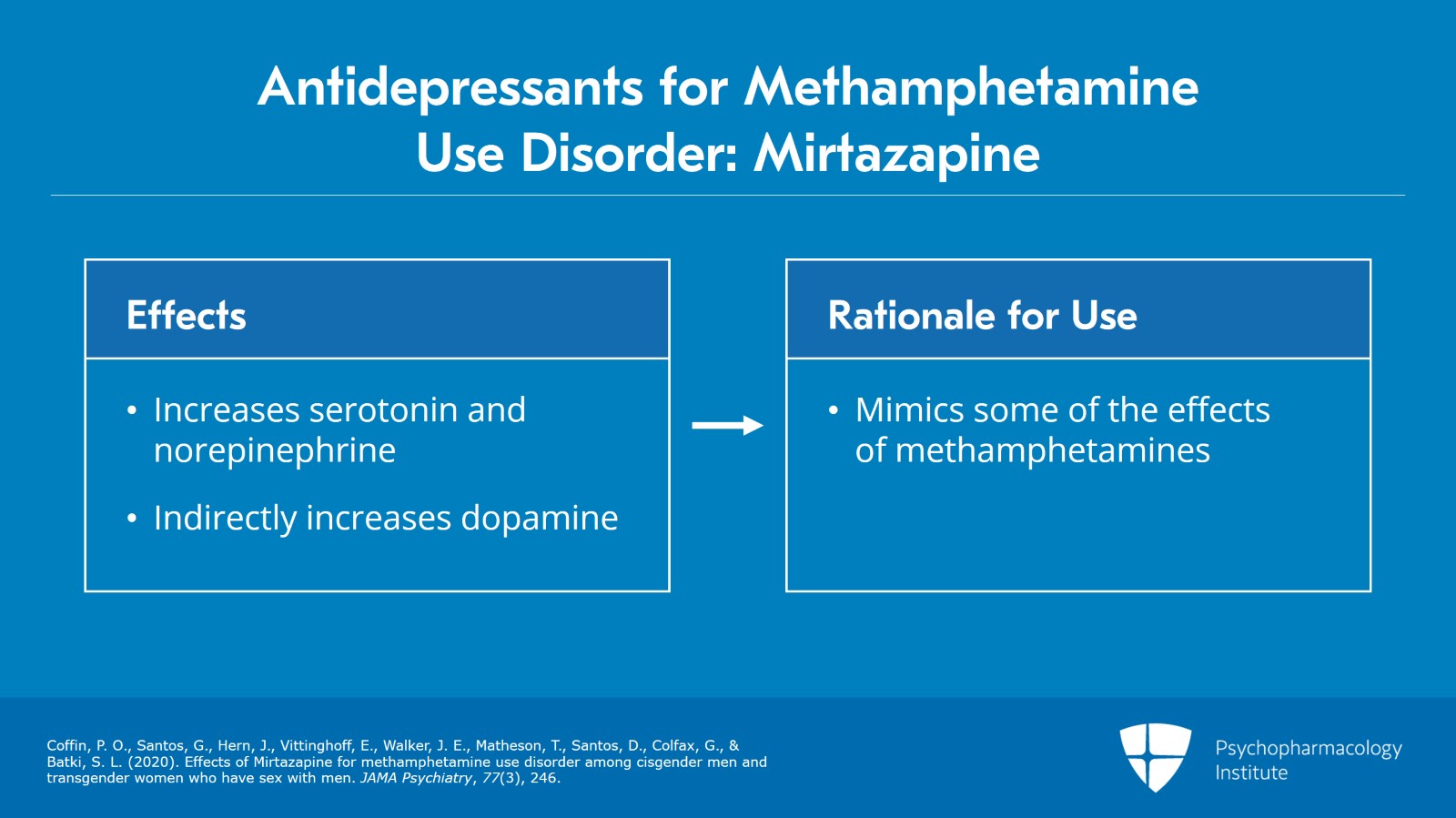
The study team repurposed a serotonin-norepinephrine reuptake inhibitor to dampen cravings and blunt reward reinforcement. By nudging neurotransmitter balance, the drug lowered the appeal of meth binges. Picture it like swapping a high-octane fuel with regular gas in a race car: the engine still runs, but the thrill fades. That matters in outpatient programs where triggers lurk everywhere.
Researchers reported a notable drop in meth-positive urine screens compared to placebo, with adherence surpassing 80% during the monitored phase.
Withdrawal research remains thin.
Here’s the thing: dosing discipline made the difference. Participants who kept to the schedule saw sharper declines in use, while missed doses erased the advantage. The team monitored liver enzymes and blood pressure; both stayed within expected ranges.
Antidepressant for meth addiction: clinical takeaways
- Screen and match: Prioritize patients with co-occurring depression, since the mood benefits can improve engagement.
- Pair with contingencies: Combine the medication with rewards for negative tests to reinforce behavior change.
- Monitor adherence: Use pill counts or digital reminders; the effect drops fast when doses slip.
- Set expectations: Make clear this is support, not a silver bullet. Why overpromise and lose trust?
In one clinic example, counselors likened the protocol to a cooking routine (prep, heat, taste, adjust). Small, consistent steps beat dramatic but unsustainable changes.
Practical risks and gaps
Sample sizes were modest, so rare adverse events might surface later. The trial excluded heavy cardiovascular comorbidities, leaving open questions for older patients. And stimulant use patterns vary by region, which could blunt generalizability. But the signal here is seismic for a field hungry for pharmacologic help.
What clinicians should watch
- Blood pressure and heart rate during the first weeks.
- Drug-drug interactions with existing antidepressants.
- Patient feedback on sleep and appetite shifts.
Honestly, I want to see replication across diverse outpatient settings before crowning this a standard.
What comes next
Expect larger phase studies and real-world pilots that mix this antidepressant for meth addiction with digital adherence tools. If results hold, payers will face pressure to cover the combo alongside behavioral therapy. Ready to test it in your program?
This article is for educational purposes only and should not be considered medical advice. Always consult a qualified healthcare provider before making decisions about addiction treatment. If you or someone you know is in crisis, call SAMHSA's National Helpline: 1-800-662-4357 (free, confidential, 24/7).